What Counterflashing Is
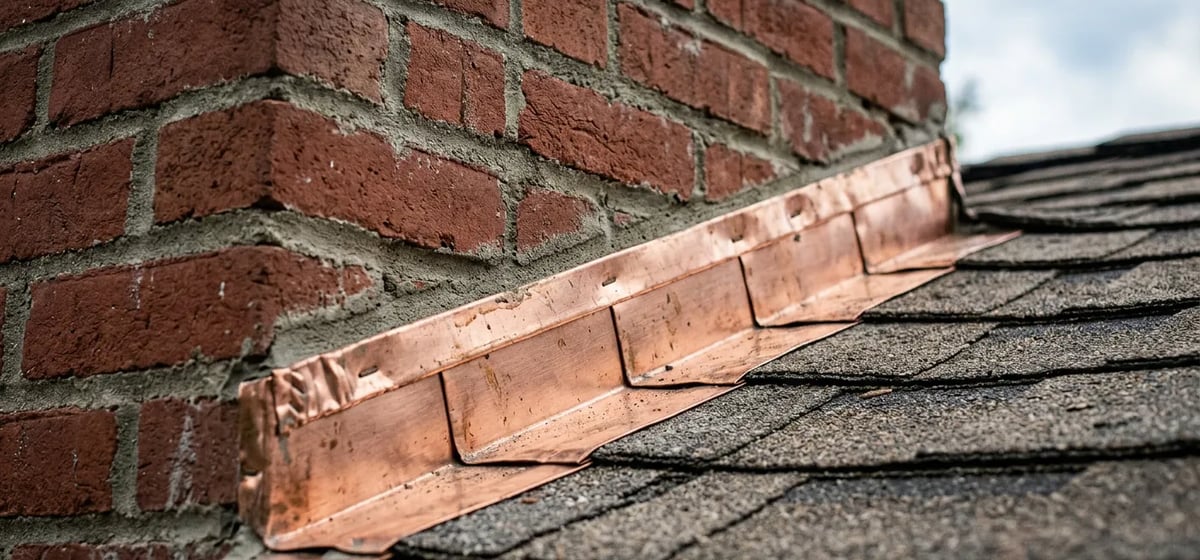
Your roof needs special protection anywhere it meets a vertical surface. Roofers use metal sheets called flashing to seal these joints. Base flashing slides under your shingles and bends up the side of the wall. Counterflashing is a second layer of metal that goes over the top of the base flashing. It acts just like an umbrella.
The prefix counter comes from the Latin word contra, which means against or opposite. Builders added this extra step to traditional flashing practices to create a double barrier against leaks.
To install counterflashing, a roofer cuts a groove right into the brickwork or mortar. They insert the top edge of the metal into this groove and seal it tight. The bottom part of the metal hangs down and overlaps the base flashing. This setup ensures that water running down the face of the brick sheds safely onto the roof.
Why It Matters to You
Water is sneaky. If your chimney only had base flashing, rain running down the bricks would slip right behind the metal and into your attic. Over time, this rots your roof deck and causes mold in your ceiling. Counterflashing stops that from happening. It catches the water before it can get behind the base layer.
Because it deals with the most vulnerable parts of your home exterior, keeping this metal in good shape extends the life of your entire roof. You can learn more about how all these parts work together in our Roofing guide.
Where You Will Find It
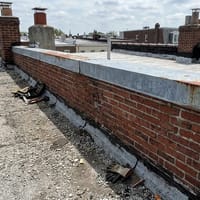
You will mostly see this double flashing system on masonry surfaces. Chimneys are the most common place. Since chimneys stick out of the roof, they take a beating from rain and snow. You will also find counterflashing where a sloped roof meets a tall brick wall. Sometimes builders use it around brick planters or heavy stone columns that intersect with a roofline.
On a chimney, you will notice the metal looks like a staircase. Roofers call this stepped counterflashing. They use short pieces of metal and step them down the roof to match the mortar joints between the bricks.
Signs of Trouble
Counterflashing can fail over time. High winds can pull the metal loose from the brick. The mortar holding the metal in place can crumble and fall out. The metal itself can rust if it is made of cheap galvanized steel.
- Look for gaps between the metal and the brick.
- Check for rust spots or missing pieces of metal.
- Watch for water stains on the ceiling around your fireplace.
Repair Costs and Hiring a Pro
Fixing counterflashing is not a simple caulking job. A professional has to grind out the old mortar with a special saw. Then they bend new metal, wedge it into the joint, and seal it with fresh mortar or high quality urethane sealant. It takes time and skill to do it right.
Repair costs vary based on where you live and how steep your roof is. A basic chimney flashing repair usually runs from 300 to 800 dollars. If you need all the metal replaced around a very large chimney, you might pay 1000 to 1500 dollars. When you get quotes for a brand new roof, make sure the roofer includes new counterflashing in the bid. Some roofers try to reuse the old metal to save time. You can read more about evaluating bids in our guide on Hiring Contractors & What Things Cost.