What is a dead load?
A dead load is the permanent weight of your house. It includes all the building materials that your Foundation & Structure must hold up every single day. This covers your wood framing, drywall, roof shingles, and flooring. Engineers started using this term in the 1800s to tell the difference between permanent weight and temporary weight. The word dead just means the weight stays completely still and never changes. Temporary weight is called a live load. A live load includes moving people, pets, and furniture.
Why it matters for your home
Your house was built to hold a very specific amount of weight. The builder calculated the exact dead load of the original materials. They then sized the concrete footings and wooden joists to support that exact weight safely. If you decide to remodel, you might accidentally increase the dead load. A heavier dead load can put too much stress on your framing. Over time, this extra stress can cause your floors to sag or your walls to crack. You must always think about dead load before you swap out light materials for heavy ones.
Projects that change your dead load
Many common home upgrades will increase the permanent weight of your house. You need to be careful when planning these specific projects.
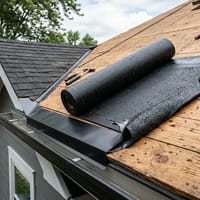
- Replacing your roof: Switching from light asphalt shingles to heavy clay tiles or slate adds a massive amount of weight. Your roof trusses might need extra bracing. You can learn more about roof materials in our Roofing guide.
- Upgrading your floors: Pulling up carpet and putting down thick natural stone or ceramic tile increases the dead load on your floor joists. Check our Flooring section for more details.
- Bathroom remodels: Installing a solid cast iron bathtub or building a massive walk-in shower adds permanent weight to a small area.
- Kitchen countertops: Swapping cheap laminate counters for thick granite or concrete slabs adds hundreds of pounds to your floor system.
How your home supports the weight
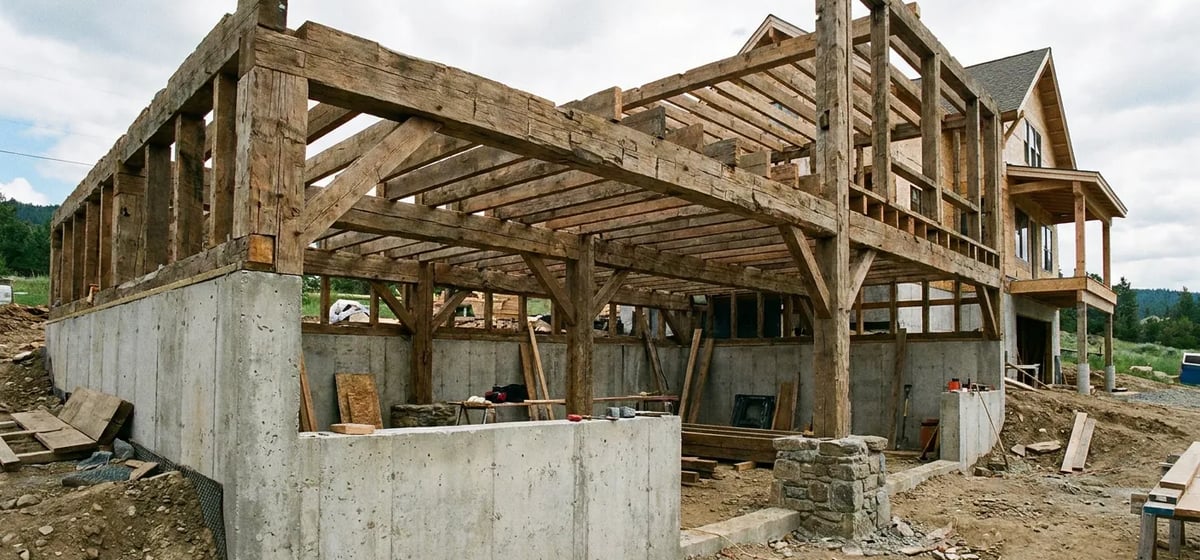
Every piece of your house works together to transfer the dead load down into the dirt. The process starts at the very top of your home. Your roof shingles press down on the wooden roof deck. The deck transfers that weight to the roof trusses or rafters. Those rafters then push the weight down into your exterior walls. The walls carry the load all the way down to the bottom floor.
Your floor system also plays a huge role. The floor joists hold up your heavy furniture, but they also hold up the permanent dead load of the flooring itself. The joists transfer this combined weight into the main support beams. Finally, the walls and beams push all this weight into your concrete foundation. The foundation spreads the entire dead load of the house evenly into the soil.
If any single part of this path fails, the dead load will cause damage. For example, if a contractor cuts a hole through a floor joist to run a plumbing pipe, that joist becomes weak. It can't support the dead load above it anymore. The floor will start to sag. This is why you must never cut into structural wood without knowing exactly what you are doing.
Signs of too much weight
Sometimes a house can't handle its own dead load. This usually happens if a previous owner added heavy materials without reinforcing the framing. It can also happen if water damage or termites weaken the wood over time. You'll start to see physical signs of stress around your home.
Look up at your roof from the street. A sagging roofline is a clear sign that the rafters are struggling to hold the dead load of the shingles. Inside the house, you might notice floors that dip in the middle of the room. You might also see deep diagonal cracks in your drywall above doorways. Doors and windows that suddenly stick and refuse to open are another common warning sign.
If you see these problems, you need to call a professional right away. A visit from a structural engineer usually costs 300 to 800 dollars. Prices and ranges vary depending on where you live and how complex the problem is. The engineer will inspect the framing and tell you exactly how to fix the issue before it gets worse.