What It Is
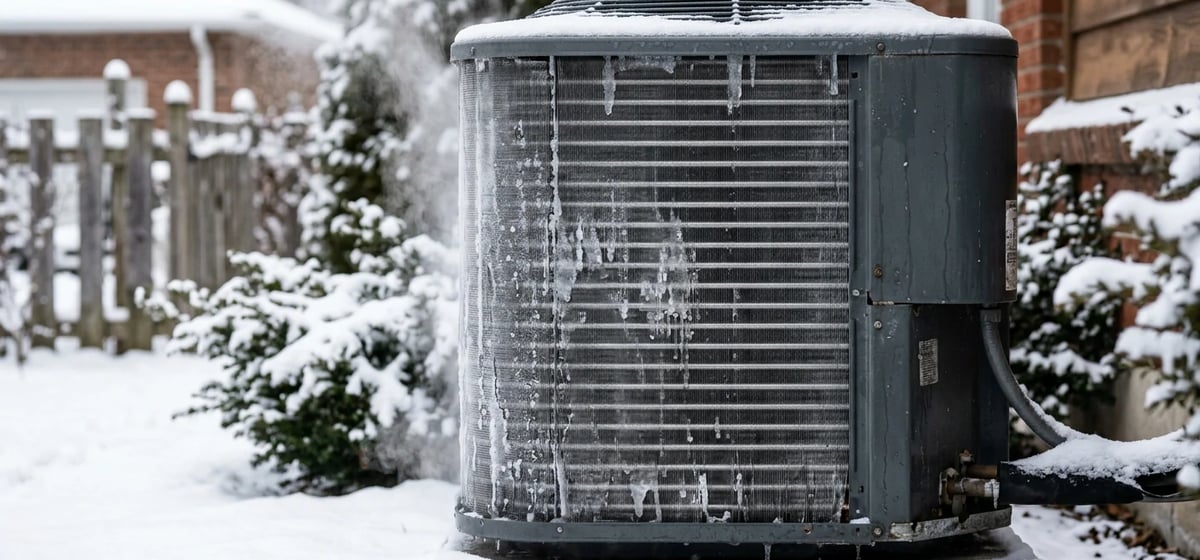
If you have a heat pump, you might notice your outdoor unit frosting over in the winter. This is completely normal. As the unit pulls heat from the cold winter air, moisture freezes on the metal coils. To get rid of this ice, your system runs a defrost cycle.
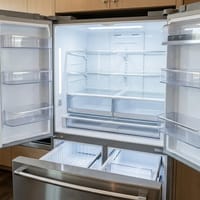
During this cycle, the heat pump temporarily acts like an air conditioner. It takes warm refrigerant from inside your house and sends it outside. This melts the ice on the outdoor coils. Once the ice is gone, the system goes back to heating your home. Your refrigerator uses a very similar process to keep ice from taking over your freezer.
Why It Matters to You
Ice acts like a thick blanket. When it covers the coils, your heat pump cannot pull heat from the outside air. Your system has to work twice as hard to keep you warm. This drives up your electric bill and puts extra wear and tear on the equipment.
A working defrost cycle keeps your HVAC & Climate Control system running efficiently. It prevents the unit from turning into a solid block of ice. If the ice gets too thick, it can crush the delicate metal fins or break the fan blades. Replacing a ruined outdoor unit is a huge expense.
What Happens During a Defrost Cycle
Many homeowners panic the first time they see a defrost cycle in action. It can look and sound a bit scary. You might hear a loud whoosh or a clunk when the cycle starts. This is just the reversing valve shifting gears.
Next, the outdoor fan will stop spinning. You might see a cloud of white steam rising from the unit. This is not smoke. It is just the melting ice turning into water vapor. Inside the house, you might feel a brief blast of cool air from your vents. Most systems will turn on backup electric heat strips to keep you warm, but this backup heat takes a minute to kick in. The whole process usually takes 5 to 15 minutes.
How Often It Runs
The frequency of a defrost cycle depends on the weather and your specific equipment. On a dry, chilly day, your heat pump might not need to defrost at all. When the air is cold and very humid, ice builds up much faster. During heavy snow or freezing rain, your system might run a defrost cycle every 30 to 90 minutes.
Older heat pumps use a simple timer. They just run the cycle on a set schedule, whether there is ice on the coils or not. Newer systems are much smarter. They use advanced sensors to measure the exact temperature of the coils. These smart units only run a defrost cycle when they actually need to melt ice. This saves a lot of energy over the winter. If you notice your system constantly going into defrost mode when there is no ice, you should have a technician look at the sensors.
What to Watch For and Repair Costs
Your heat pump should never look like an igloo. A light coating of frost is fine. A thick, solid block of ice means your defrost cycle is broken. If you see this, turn off your system right away. Switch your thermostat to emergency heat and call a professional.
A broken defrost cycle usually points to one of a few common failures:
- A bad defrost control board
- A broken thermostat sensor
- A stuck reversing valve
Replacing a defrost control board usually costs 150 to 400 dollars. A new reversing valve is a much bigger job and can cost 500 to 900 dollars. Keep in mind that these ranges vary based on your location and the brand of your equipment.
If you are dealing with a frozen refrigerator instead, the fix is often a new defrost timer or heater element. Appliance repairs typically cost 100 to 300 dollars. You can learn more about maintaining these household machines in our Appliances guide.