What dew point is
Dew point is a specific temperature. It tells you exactly when the air inside your house can no longer hold all its moisture. Warm air acts like a big sponge. It can hold a lot of invisible water vapor. Cold air acts like a small sponge. It holds much less water.
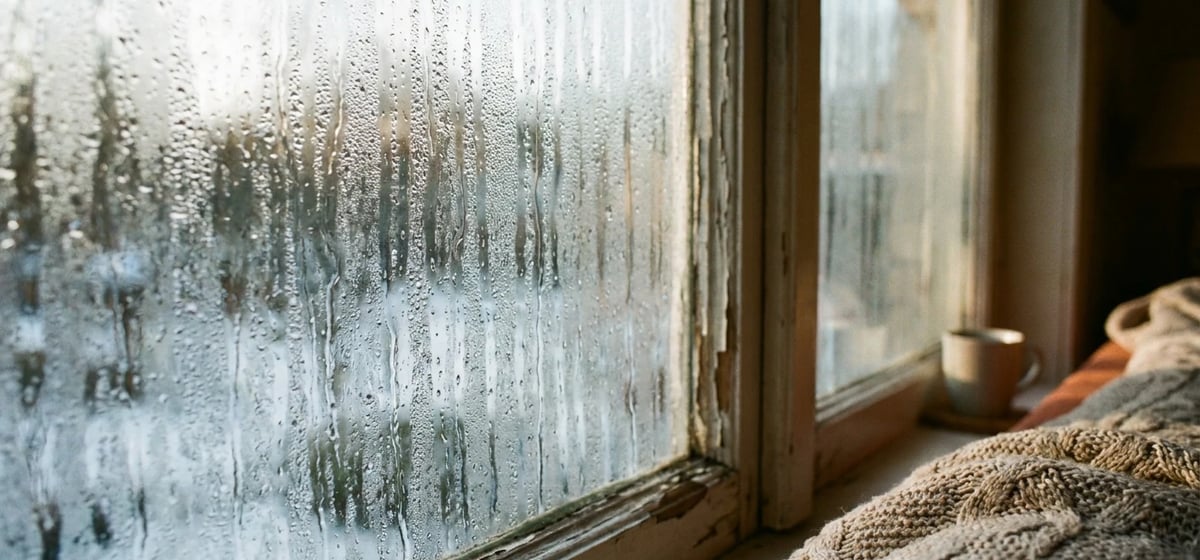
When the air inside your home cools down, it shrinks that sponge. If the temperature drops enough, the air reaches its limit. It hits a 100 percent humidity level. At this exact temperature, the air forces the extra water out. This invisible vapor turns into liquid water drops. You'll see this water forming on cold surfaces like windows, walls, and pipes.
Weather reports talk about this number all the time in the summer. When the outside dew point is 65 degrees or higher, the air feels sticky and heavy. The same rule applies inside your house. If your indoor dew point gets too high, your home will feel clammy. Your skin will feel sticky, and your air conditioner will have to work much harder to keep you comfortable.
Why it matters to your home
You might think relative humidity is the only number that matters, but dew point is actually a better way to measure comfort and home health. High relative humidity might not be a problem if the air is very cold. However, a high dew point always means there is a lot of moisture in the air.
When indoor air hits cold surfaces, you get condensation. Over time, this constant wetness causes serious damage. It rots wood and ruins drywall. It also creates the perfect home for mold and mildew. Keeping an eye on your home moisture levels protects your Windows & Doors from rotting frames and peeling paint.
In the winter, the problem flips. The air outside is very cold and dry. When you heat this air inside, the dew point drops very low. This makes the air in your home feel dry and harsh. Low winter dew points cause cracked skin, static shocks, and shrinking wood floors. You might need a humidifier to add water back into the air during these months.
Where you run into it
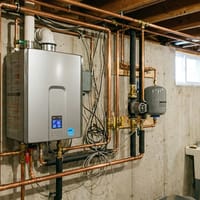
You'll deal with dew point issues in the naturally cooler parts of your house. Basements and crawlspaces are the most common trouble spots. The earth around your Foundation & Structure keeps these lower areas cool all year round. When warm and humid summer air gets into a cool basement, it hits the dew point quickly. This makes your basement walls and pipes sweat.
You also see it in bathrooms after a hot shower. The hot water puts lots of vapor into the air very quickly. When that wet air touches a cold mirror or an outside wall, it reaches the dew point and fogs up immediately. This is why running an exhaust fan is so important.
Many homeowners buy a dehumidifier to fix summer moisture problems. A dehumidifier pulls water out of the air. This lowers the indoor dew point so condensation stops happening. A good portable dehumidifier costs 150 to 300 dollars. A whole-home system installed with your HVAC & Climate Control costs 1,000 to 2,500 dollars. Keep in mind that local prices and ranges vary.
What to watch for
Your house will give you clues when the dew point is causing trouble. You don't need special tools to find a problem. Just pay attention to these common warning signs around your house.
- Water beads on the inside of your window glass during the winter.
- Damp patches on your basement walls or bare concrete floors.
- Musty smells in your closets, crawlspaces, or lower levels.
- Peeling paint or lifting wallpaper near your outside walls.
- Sweaty cold water pipes dripping in your basement during the summer.