What Is a Generator Inlet Box?
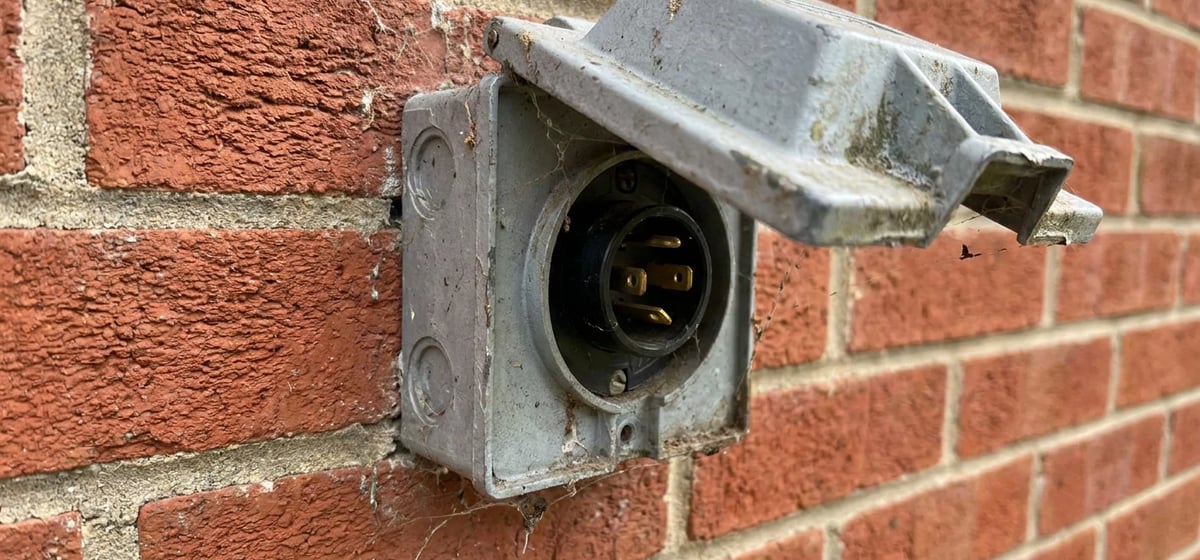
A generator inlet box is a weatherproof electrical plug mounted on the outside of your house. The word generator comes from the Latin word generare, which means to produce or create. Electricians combined this with inlet to describe a box that lets power flow into a building. When the power goes out, you plug your portable generator into this box using a thick, heavy duty generator cord. The box connects directly to your home wiring. It sends electricity to a transfer switch located near your main breaker panel. This setup lets you power your household circuits safely during a blackout. You can run your lights, refrigerator, and furnace without dragging long extension cords through open windows or doors. It keeps your family warm and your food cold with very little effort.
Why It Matters to You
Safety is the biggest reason to install a generator inlet box. Running a generator outside with cords snaking inside is very dangerous. An open door or window lets deadly carbon monoxide exhaust leak right into your living space. An inlet box allows you to keep your house sealed tight against the weather and dangerous gases. It also protects your electrical connections from rain and snow. It's a vital part of your Electrical system if you live in a region that gets hit by severe storms or winter freezes.
Having an inlet box also makes setting up your backup power fast and easy. When you lose power in the dark, you don't want to stumble around tripping over cords. You simply roll your generator outside, plug one end of the cord into the generator, and plug the other end into your inlet box.
How Much It Costs
Hiring a licensed electrician to install an inlet box and a manual transfer switch is a smart choice. You should expect to pay between 800 and 1500 dollars for the complete installation. The inlet box itself usually costs 50 to 150 dollars. The rest of the bill covers the heavy gauge wire, the transfer switch, and the labor. Costs vary widely based on your location and the layout of your home. If your inlet box sits far away from your main electrical panel, the electrician has to run more wire. This extra wire and labor will drive up the final price. You can read more about typical labor rates in our guide to Hiring Contractors & What Things Cost.
What to Watch For
You must match your inlet box to the power output of your portable generator. Keep these details in mind when planning your backup power setup:
- Amperage matching: Most standard portable generators use a 30 amp or 50 amp plug. Your inlet box must have the exact same rating. If you buy a larger 50 amp generator later, you'll need to pay an electrician to upgrade your 30 amp inlet box.
- Weatherproof covers: Look for a model with a sturdy, spring loaded cover. The cover keeps rain, snow, bugs, and dirt out of the metal prongs when you aren't using the plug. Spiders and wasps love to build nests inside open electrical boxes.
- Safe placement: Make sure your electrician installs the box far away from any windows, doors, and crawlspace vents. This placement ensures the generator exhaust stays safely outside your home during an emergency.
Proper placement and matching your equipment helps you avoid one of the most common Home Emergencies related to backup power.