What is heat tape?
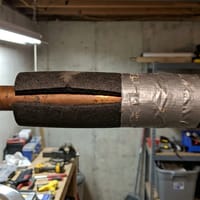
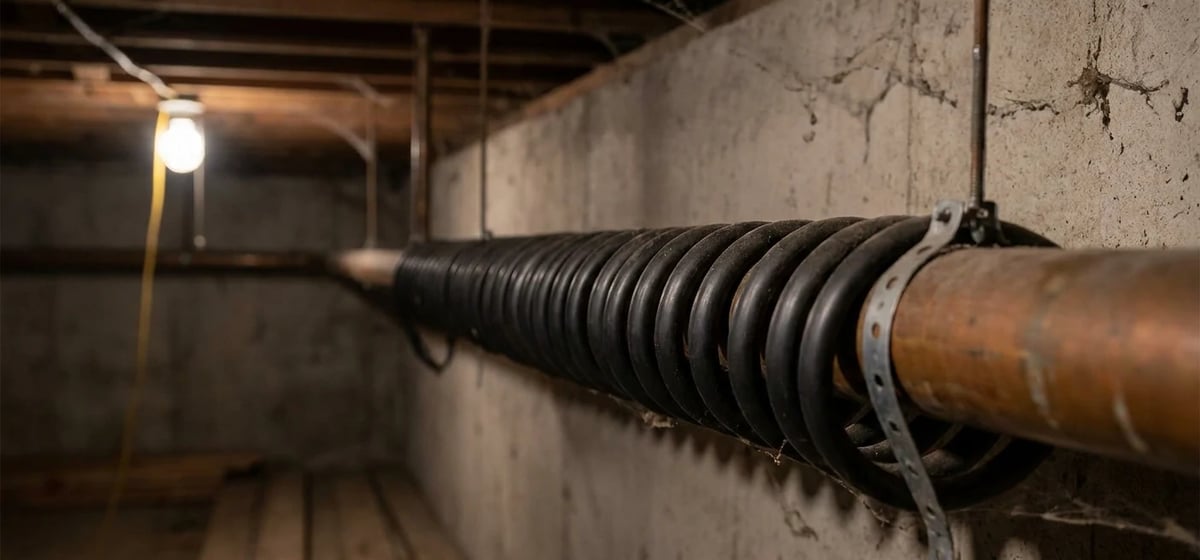
Heat tape is a special electrical cable that you wrap along exposed water pipes. It keeps them from freezing when winter weather arrives. The name comes from older versions of the product. Early versions looked like flat adhesive tape that you stuck to a pipe. Today, the product is actually a thick and flexible wire covered in heavy rubber or plastic insulation. When you plug it into a standard wall outlet, the wires generate a steady amount of heat. This warmth transfers to the pipe. It keeps the water above freezing and stops ice from forming. Some tapes have a built in thermostat. This sensor turns the heat on only when the temperature drops.
Why it matters to you
A frozen pipe is one of the worst emergencies you can face in winter. When water freezes inside a closed pipe, it expands rapidly. This expansion puts massive pressure on the metal or plastic pipe walls. Eventually, the pressure forces the pipe to split open. You might not notice the break right away because the water is frozen solid. However, once the ice thaws, water rushes out and floods your home. This damage destroys drywall and ruins floors. Fixing it costs thousands of dollars. Heat tape acts as a reliable insurance policy against this disaster. It protects your Plumbing system during the coldest days of the year.
Where you will find it in your home
You won't see heat tape in your heated living room or kitchen. Homeowners and builders install it in unheated spaces where pipes are totally exposed to the winter cold. The most common locations include open crawlspaces, unheated basements, and the open area beneath a mobile home. You might also find it wrapped around exposed water lines inside an uninsulated garage or a utility shed. Some people run it along pipes hidden in an exterior wall if that wall lacks proper insulation. If you are reviewing your Your First Year as a Homeowner checklist, finding and protecting these exposed pipes before November is a crucial step.
Costs and installation details
Buying heat tape is a very affordable project. A basic ready to use kit at your local hardware store costs between 20 to 60 dollars. The price depends mostly on the length of the cable you need. If you prefer to hire a professional plumber or handyman to install it, you can expect to pay 150 to 400 dollars for the labor and materials. Keep in mind that these ranges vary based on your local market and how hard it is to reach the pipes. You will also need a nearby electrical outlet to plug the cable into. If you don't have a grounded outlet in your crawlspace, you must hire a licensed electrician to install one. This will add to your Electrical upgrade costs.
What to watch out for
Heat tape is perfectly safe when you use it correctly. However, it can become a fire hazard if you install it poorly. Keep these safety rules in mind:
- Never overlap the cable on top of itself because the sections will trap heat and melt the insulation.
- Always read the instructions to see if the cable should run straight along the pipe or spiral around it.
- Inspect the tape every fall to look for cracks, chew marks from mice, or brittle spots.
- Throw away any damaged cable and replace it with a new one before winter begins.