What is a Level 2 Charger?
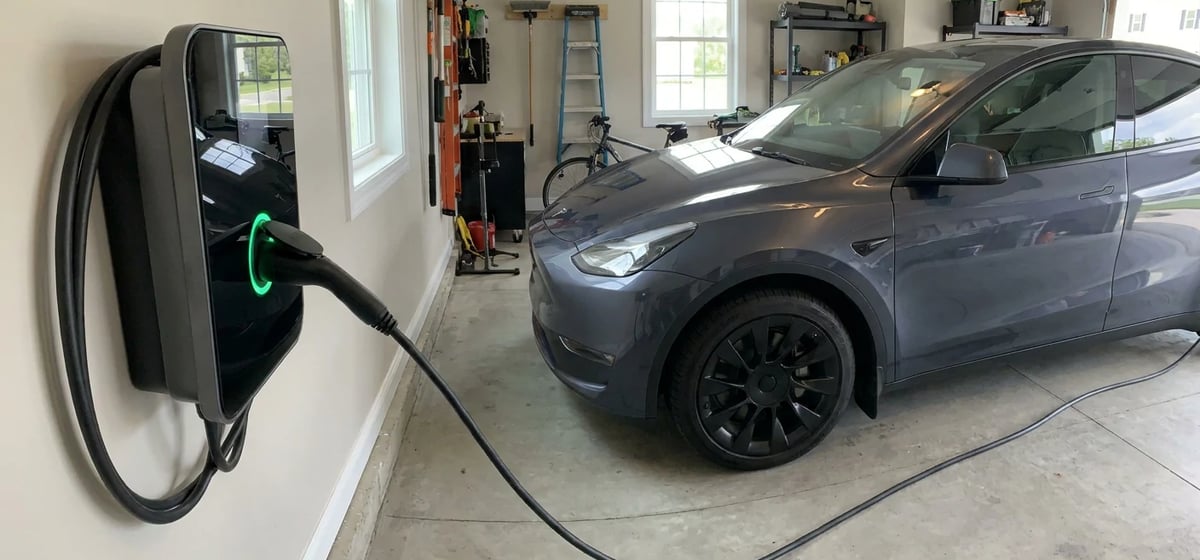
A Level 2 charger is a home charging station for an electric vehicle. It runs on a 240 volt electrical circuit, which is the same type of power your electric dryer or oven uses. This charger is much faster than a standard wall plug.
The automotive and electrical industries use a numbered tier system to classify charging speeds. Level 2 is the middle tier in this system. It sits right between a standard 120 volt household plug and a commercial high speed direct current charger.
Why It Matters to You
If you buy an electric car, charging speed quickly becomes a daily concern. A standard wall outlet gives you only about 3 to 5 miles of range per hour. That means a completely empty battery can take several days to fill up.
A Level 2 charger solves this problem completely for busy families. It delivers a much faster 15 to 40 miles of range per hour. You can plug your car in after work and wake up to a fully charged battery every morning.
Choosing the Right Charger
When you shop for a Level 2 charger, you will see two main installation options to choose from today. You can buy a hardwired unit or a model that plugs into the wall. Both options provide excellent charging speeds.
- Hardwired chargers: These are permanently connected directly to your home wiring by a qualified electrician.
- Plug in models: These require an electrician to install a special 240 volt receptacle first.
You also need to look at the amperage rating before you buy. Most home chargers deliver 32 to 48 amps of power. A higher amperage charges your car faster, but it also requires thicker wires and a larger circuit breaker.
What to Expect During Installation
You cannot just plug this charger into a regular outlet. You will need a licensed electrician to install a dedicated circuit in your garage or driveway. They will run thick copper wire from your main electrical panel to the exact charging location.
Your home must have enough electrical capacity to handle the new load. If you live in an older house, your panel might be completely full. You can learn more about your home power system in our Electrical guide.
Costs and Incentives
The charging unit itself usually costs 300 to 700 dollars. The installation labor and materials typically run another 500 to 1,500 dollars. These ranges vary widely depending on how far your electrical panel is from your garage or driveway.
If you need to upgrade your main electrical panel first, expect to pay an extra 1,500 to 3,000 dollars. When budgeting for this project, you should always compare quotes. Check our guide on Hiring Contractors & What Things Cost for tips on finding a good electrician.
Keep in mind that federal home energy tax credits ended completely on December 31, 2025. You cannot claim federal tax credits for chargers installed in 2026 or later. However, you should still check with your local utility company and state energy office for active rebates.