What Is A Saddle Valve?
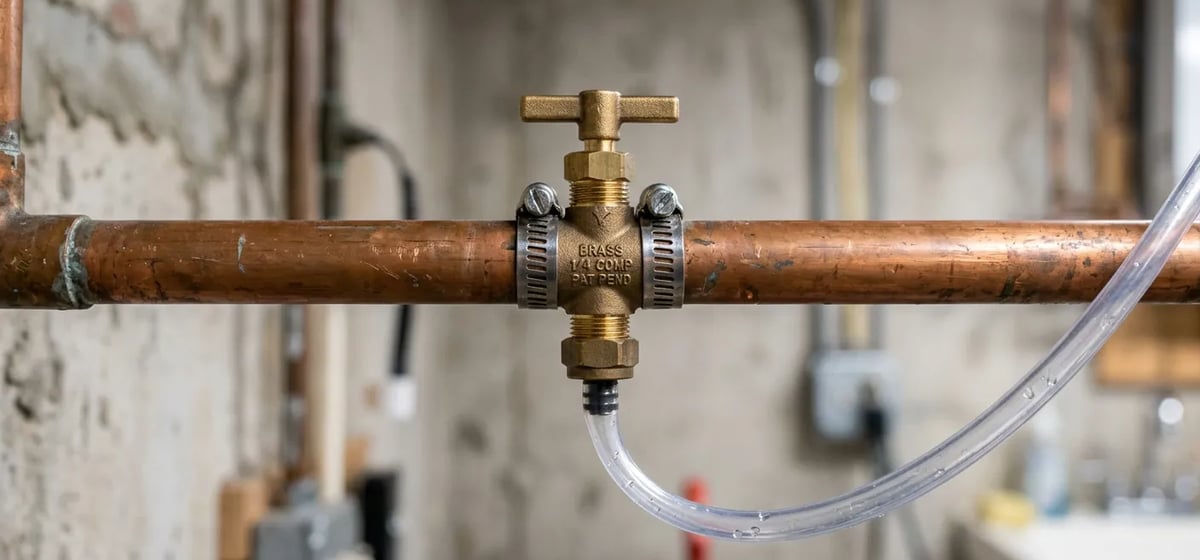
A saddle valve is a small plumbing shortcut. It is a metal valve that clamps directly onto an existing copper water pipe to create a new water line. The name comes from the shape of the metal clamp. It wraps around the round water pipe exactly like a leather saddle sits over the back of a horse.
Inside the valve is a sharp metal pin. When you tighten the handle, this pin pierces a tiny hole right through the side of the copper pipe. Once you back the pin out, water flows through a small flexible tube to supply water to a new location. People use them because they are fast and cheap. You do not have to cut the main pipe or solder any new fittings.
Why They Cause Trouble
These valves are famous for causing leaks. A proper plumbing connection uses a solid, sealed joint. A saddle valve just relies on a small rubber gasket pressed against the outside of a curved pipe. Over time, that rubber gasket dries out, cracks, and fails.
Because they leak so often, many local building codes no longer allow them for new work. If you hire a professional to run a new water line, they will cut the pipe and install a permanent T-fitting instead.
Where You Will Find Them
You will usually spot these small brass clamps in unfinished basements, utility rooms, or under the kitchen sink. They are almost always connected to a thin plastic or copper tube. Look for them in these common spots:
- Behind the refrigerator: They supply water for ice makers and drinking water dispensers. Check your Appliances to see how they get their water.
- Near the furnace: They often feed water into whole-house humidifiers mounted on your ductwork. You might spot one while checking your HVAC & Climate Control system.
- Under the kitchen sink: They are sometimes used to install an under-sink water filter system.
What To Do If You Have One
If you buy an older home, you will probably find at least one saddle valve. Do not panic if you see one. If it is dry and the copper pipe around it looks clean, you can leave it alone. Just check it every few months for drips.
Look closely for green crust or white mineral buildup around the clamp. That means it is already weeping water slowly. If you see signs of a leak, you need to replace it before it bursts and causes water damage.
Replacing a saddle valve means shutting off the main water, cutting out the pierced section of pipe, and putting in a standard valve. You can read more about dealing with pipes in our Plumbing guide. A new saddle valve at the hardware store costs about 5 to 15 dollars. If you hire a plumber to remove it and solder in a proper T-valve, expect to pay 150 to 300 dollars. Keep in mind that prices vary based on your location and how hard the pipe is to reach.
Removing Them During Renovations
If you are planning a kitchen remodel or finishing your basement, that is the perfect time to get rid of old saddle valves. When the walls and ceilings are open, plumbers have easy access to your water pipes. It takes them just a few minutes to cut out the old pierced pipe and install a modern shutoff valve.
Sometimes you might find an abandoned saddle valve. This happens when a previous owner removes an old fridge or water filter but leaves the valve clamped to the pipe. The valve is turned off, and the thin plastic tube is cut. These dead end valves are ticking time bombs. The rubber gasket is still holding back full water pressure. If you find an abandoned valve, bump it to the top of your repair list. Have a plumber remove it completely so you never have to worry about a sudden flood in your basement.