What It Is
Your home systems are designed to run in smooth, steady cycles. When a machine turns on and shuts off too quickly, professionals call this short cycling. The equipment stops before it actually finishes its job. Then, just a few minutes later, it starts right back up again. This constant stopping and starting is terrible for your equipment. It's exactly like driving a car in heavy stop and go traffic instead of cruising smoothly on the highway.
Where You'll Notice It
Most homeowners hear about this problem when dealing with their heating and cooling equipment. You might notice your air conditioner kicking on for two minutes and then going silent. However, this issue happens with other home systems too.
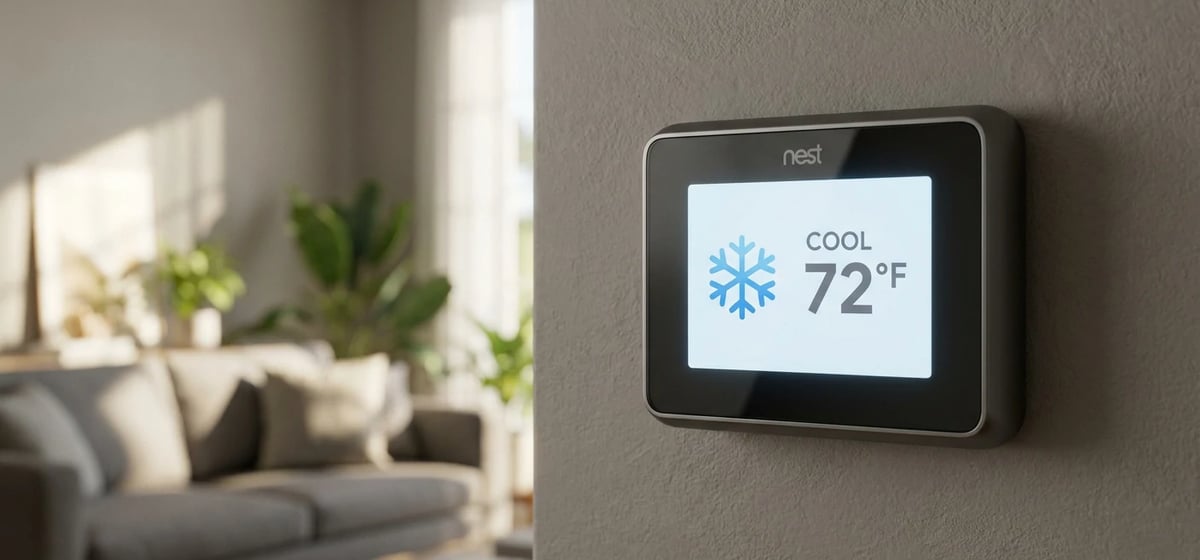
- Air conditioners and furnaces: The system blasts air for a minute and shuts off before the house reaches the temperature you set on the thermostat.
- Sump pumps: The pump in your basement turns on, pumps for three seconds, and turns off. This often means the float switch is broken or the pit is too small.
- Well pumps: If you live in the country, your well pump might click on every time you turn on a faucet. This usually points to a waterlogged pressure tank.
You can learn more about how your water systems should work in our Plumbing guide.
Why Your Equipment Does This
Several things can cause this annoying problem. The most common culprit is a dirty air filter. When the filter is clogged with dog hair and dust, air can't flow through the system. The equipment overheats and shuts itself down for safety. Once it cools off, it tries to run again.
Another big reason is an oversized system. If your air conditioner or furnace is too large for your house, it cools or heats the space far too fast. The system shuts off, but the house still feels sticky or uncomfortable. A broken thermostat can also send the wrong signals to your system. Finally, a frozen evaporator coil or low refrigerant will make your air conditioner act up.
Why It Hurts Your Wallet
Short cycling costs you money in three different ways. First, your energy bills will spike. It takes a lot more electrical power to start a heavy motor than it does to keep it running steadily. Second, you'll face expensive repair bills. The constant starting and stopping wears out heavy parts like the compressor or the blower motor. Replacing a burnt out compressor costs 1,200 to 2,500 dollars, though ranges vary based on your location and system size.
Third, it cuts the lifespan of your whole system. Instead of lasting 15 to 20 years, your HVAC & Climate Control equipment might die in 10 years. Replacing an entire system early is a massive expense that you want to avoid.
How To Fix It
You can solve some of these issues yourself. Start by checking your air filter. If it's gray and covered in dust, swap it out for a new one. This simple fix costs about 15 to 25 dollars. You should also check your thermostat batteries. Sometimes a dying battery makes the thermostat act crazy.
If those quick fixes don't work, you need to call a professional. An HVAC technician can check your refrigerant levels and inspect your electrical connections. A standard diagnostic service call usually costs 75 to 150 dollars. If the technician says your system is too large for your home, you have a much bigger problem. You might have to replace the whole unit to get things running right. You can read more about typical repair prices in our guide on What Home Repairs Cost.