What Is a Thermopile?
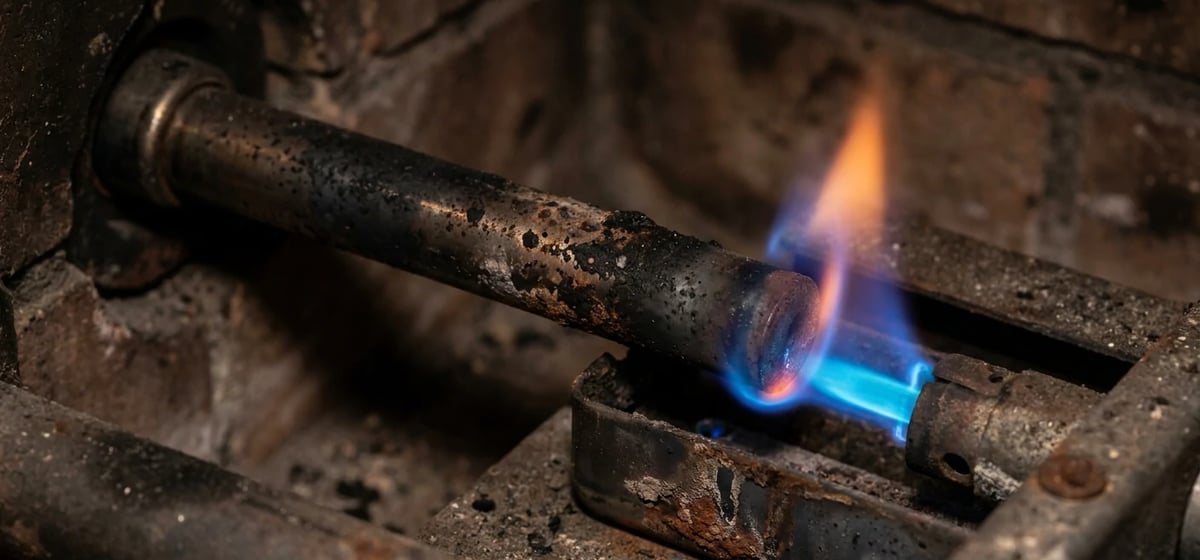
A thermopile is a small metal probe found inside gas appliances like fireplaces and wall heaters. It sits directly in the flame of the pilot light. As the flame heats the metal, the thermopile turns that heat into a small amount of electricity. This electricity travels down a wire to the main gas valve. When you flip the switch to turn on your gas fireplace, that tiny electrical current gives the valve the power it needs to open. Because it makes its own electricity, your gas fireplace can still work even if you don't have power during a winter storm.
You can usually spot this part by looking at the pilot light assembly. It looks like a thick metal cylinder, about the size of a ballpoint pen cap. It sits right next to the pilot flame. If you look closely, you'll see wires running from the bottom of the probe directly to the main gas control box.
How It Keeps You Safe
The thermopile plays a huge role in your home safety. It acts as a strict safety device for your gas supply. The main gas valve requires a constant flow of electricity from the thermopile to stay open. If a strong draft blows out your pilot light, the metal probe quickly cools down. Once it cools, it stops making electricity. Without that power, a spring inside the gas valve snaps shut automatically. This stops raw gas from pouring into your living room and creating a dangerous situation. If you ever smell gas, you should treat it seriously and check our guide on Home Emergencies.
Thermopile vs. Thermocouple
You might hear contractors use the words thermopile and thermocouple. They do the exact same job, but they are slightly different parts. A thermocouple is a single metal probe. It creates just enough power to hold a safety valve open. You usually find these in basic gas water heaters. If you need help with a water heater, you can look at our Plumbing section.
A thermopile is actually a group of thermocouples bundled together inside one casing. Because it has more sensors, it creates a lot more electricity. This extra juice is necessary for gas fireplaces. A fireplace needs more power to operate a wall switch, a thermostat, or a remote control receiver.
Signs of Trouble
These parts wear out over time because they sit in a hot flame 24 hours a day. When they start to fail, you'll notice a few common issues.
- Your pilot light goes out randomly and takes a long time to relight.
- You have to hold the pilot button down for several minutes before the flame stays lit on its own.
- The pilot light stays lit, but the main burner won't turn on when you flip the wall switch.
- You see a heavy buildup of white or black soot covering the metal probe.
If you're handy, you can actually test a thermopile with a standard multimeter. You simply set the meter to read millivolts and touch the probes to the thermopile wires while the pilot is lit. A healthy thermopile should read between 300 to 600 millivolts. If the reading drops below 300, the part is getting weak and needs to be replaced soon.
Replacement Costs
Replacing a bad thermopile is a very common repair. The part itself is quite cheap. You can buy a replacement at most hardware stores for 30 to 60 dollars. However, the labor takes a bit of time. A technician must take apart the pilot assembly, remove the old wiring, and test the gas pressure.
If you hire a professional from a local HVAC & Climate Control company, expect to pay between 150 to 300 dollars for the total job. Keep in mind that prices range widely based on where you live and how hard it is to reach the parts inside your specific fireplace model. Many homeowners choose to have this part replaced during their annual fireplace cleaning to save money on the service fee.