What is TPO roofing?
TPO stands for thermoplastic polyolefin. This sounds like a complex chemical name, but it is just a special blend of plastic and rubber. Manufacturers created this material in the 1980s. They wanted a cheaper and more durable option than older rubber roofs. Today, it is one of the most common materials used on flat or low slope roofs across the country.
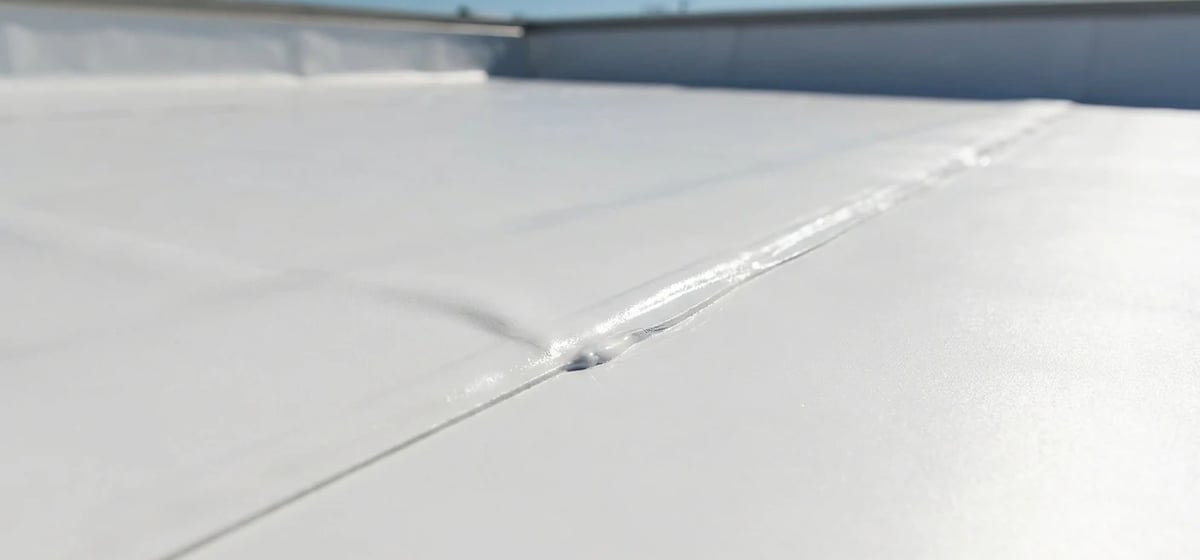
When you look at a TPO roof, you will usually see a bright white, smooth surface. This material comes from the factory in large rolls. A roofing crew rolls these sheets out over your roof deck. Next, they secure the sheets using large screws and special plates.
The most important part of the installation is the seams. The crew uses a special hot air gun to melt the overlapping edges together. This heat welding process creates a permanent, waterproof bond. It basically turns all those separate rolls into one giant, solid sheet of rubbery plastic. This solid barrier keeps rain and snow out of your home.
Why this roof matters for your home
If you have a flat roof over your garage, a sunroom, or your entire house, TPO offers some big benefits. The biggest advantage is the bright white color. This white surface reflects the hot summer sun away from your house. Dark roofs absorb heat and bake the rooms below, but TPO bounces that solar heat right back into the sky.
Because your roof stays cooler, the rooms right under the roof stay cooler, too. This means your air conditioner doesn't have to run as often during the summer months. You can learn more about keeping your cooling system efficient in our guide to HVAC & Climate Control. Lowering your cooling demand saves you money on your monthly electric bill.
TPO is also incredibly lightweight. It doesn't put a lot of heavy stress on the wood framing holding up your roof. It also resists mold, dirt buildup, and tears much better than older flat roofing styles. It is a flexible material, which means it can handle the natural expansion and contraction of your house as the weather changes from hot to cold.
What you can expect to pay
Replacing a flat roof is a major home improvement project. You will want to know the ballpark costs before you start calling contractors. For a standard residential TPO roof, you can expect to pay between 5 to 10 dollars per square foot for both the materials and the labor.
If you have a 1,000 square foot flat roof, your total bill will likely fall between 5,000 and 10,000 dollars. Keep in mind that these ranges vary based on where you live and how hard it is to access your roof. If the roofing crew has to tear off two or three layers of old roofing first, your price will go up significantly. You can read more about project pricing in our guide on What Home Repairs Cost.
How to maintain your TPO roof
TPO roofs are very tough, but they aren't invincible. You need to keep an eye on them to get the longest life possible. With proper care, most TPO roofs will last between 15 to 25 years.
To keep your TPO roof in great shape, you should perform a few basic maintenance tasks every year:
- Sweep away wet leaves, pine needles, and dirt that collect in the corners.
- Trim back overhanging tree branches so they don't scrape the roof during a storm.
- Check the drains and gutters to make sure water flows off the roof quickly.
The most common problem you will face is a puncture. Falling tree branches, dropped tools, or even walking on the roof with heavy work boots can poke a hole in the membrane. If water gets through that hole, it will rot the wood deck underneath and ruin your ceiling.
You should also check the seams around your vents, skylights, and chimneys. The hot air welds between the main sheets are very strong, but the caulking and flashing around pipes can dry out and crack over time. If you do notice a leak or a small tear, a professional roofer can easily patch a TPO roof. They just weld a new piece of material right over the hole. For more tips on keeping your house dry, check out our general Roofing guide.