High Bill? What Uses the Most Electricity in a Home
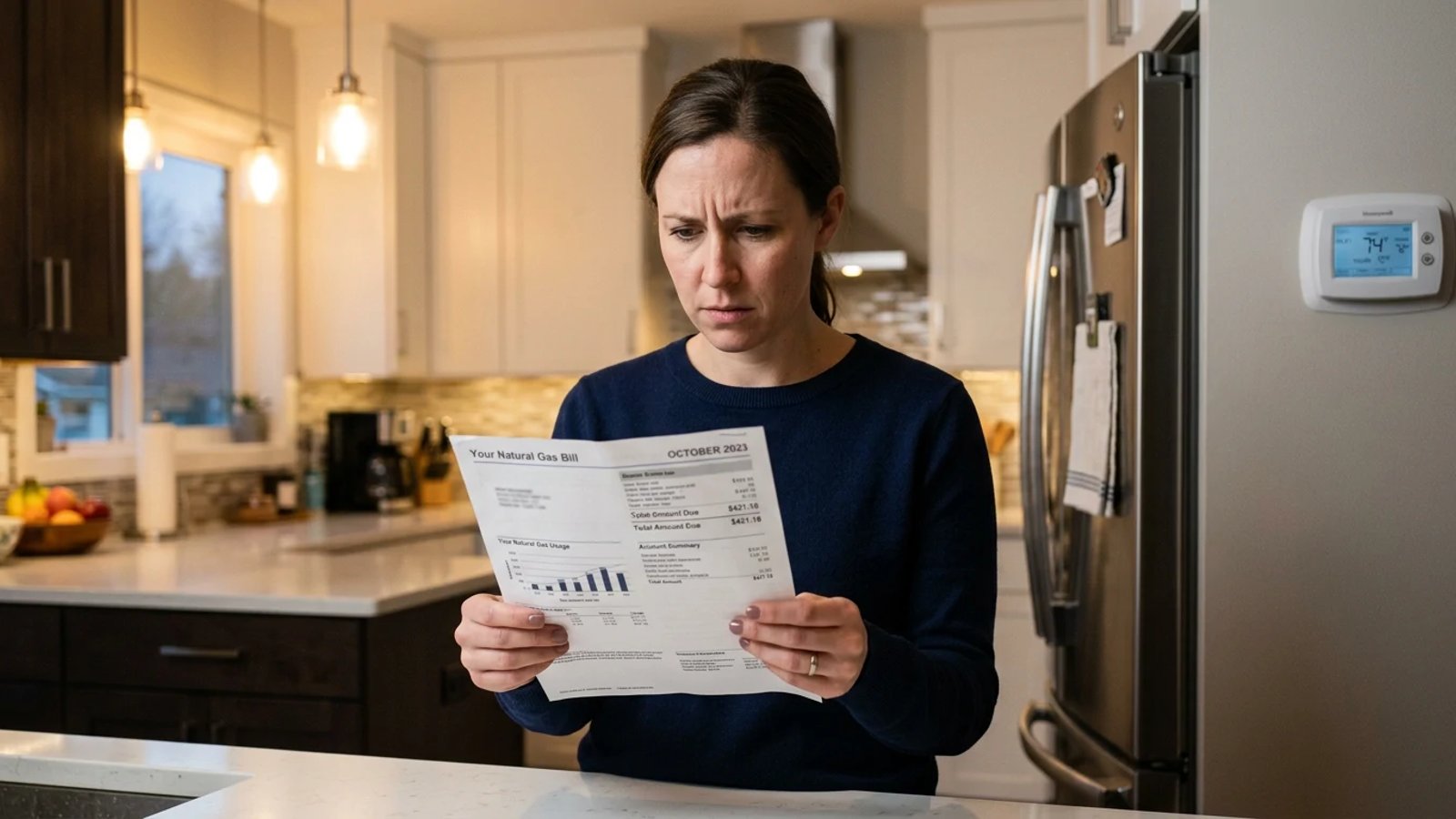
Opening a shockingly high power bill is frustrating. Learn exactly what is draining your home's electricity and how to lower your costs with a few simple adjustments.
You just opened the mail, and your utility bill is twice as high as you expected. It is a terrible feeling. Before you start unplugging every lamp and banning the television, you need to know exactly where that power is going. If you are wondering what uses the most electricity in a home, the answer usually comes down to a few major culprits. By identifying these heavy hitters, you can stop guessing and start cutting your monthly costs.
What uses the most electricity in a home? The Big Three
While a left-on bathroom light is annoying, it is not the primary reason your bill spiked. The real power drains are the large mechanical systems that heat, cool, and run your house.
1. Your HVAC System
Heating and cooling account for roughly 45 to 50 percent of the average home's energy consumption. Air conditioners, heat pumps, and electric furnaces draw a massive amount of power to maintain indoor comfort. If your system is older, poorly maintained, or fighting against drafty windows, it runs longer and pulls even more juice from the grid.
2. The Water Heater
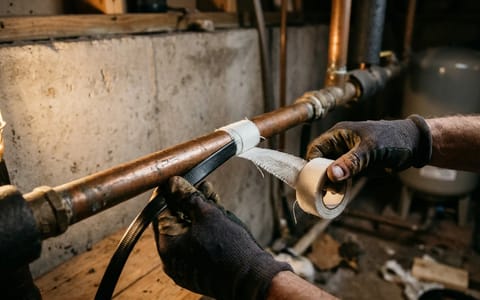
Your water heater is the second largest energy hog, making up about 12 to 14 percent of your utility bill. It runs constantly to keep 40 to 80 gallons of water piping hot, 24 hours a day. Last winter, I tested this in a neighbor's house where the electric bill had quietly crept up over a few months. We checked the tank and found the thermostat cranked to 150°F. We dropped it to 120°F, and they saw a noticeable drop in their very next statement.
3. Major Appliances
Refrigerators, washers, and dryers round out the big three. A fridge runs around the clock, and an electric dryer uses high heat to tumble wet clothes, pulling substantial wattage every single cycle.
Beyond the Big Three: Other Energy Users
While HVAC, water heating, and major appliances are the primary energy consumers, several other areas in your home contribute significantly to your electricity bill. Ignoring these smaller, but many, users can still lead to noticeable overspending.
4. Lighting
Lighting might seem minor, but traditional incandescent bulbs are notoriously inefficient, converting most of their energy into heat rather than light. Over time, a house full of incandescents adds up. Switching to LED bulbs is one of the quickest and most impactful changes you can make. LEDs use up to 90% less energy and last significantly longer, often paying for themselves within months.
5. Electronics and Home Office Equipment
With more people working from home, computers, monitors, printers, and charging stations are running for extended periods. Even when not actively in use, many electronics consume "vampire power" or "phantom load" when plugged in. This constant trickle can account for 5-10% of your total electricity bill. Smart power strips or simply unplugging devices when not in use can easily curb this waste.
6. Cooking Appliances
Electric ovens, stovetops, and microwaves draw considerable power, especially during preheating and cooking cycles. While you can't stop cooking, using smaller appliances like toaster ovens or microwaves for smaller meals is more energy-efficient than heating a large oven. Also, ensure your oven door seals properly to prevent heat loss, making it work harder.
Decoding Your Bill: kW vs. kWh Explained
Utility companies bill you based on usage, but the terminology can be confusing. To read your bill properly, you need to understand the difference between a kilowatt (kW) and a kilowatt-hour (kWh).
A watt is a measure of power, and a kilowatt is simply 1,000 watts. This tells you how much power an appliance needs to function at any given moment. A kilowatt-hour, on the other hand, measures that energy over time. It is the exact amount of energy you use if you run a 1,000-watt appliance for one hour.
For example, if you run a 1,500-watt space heater for two hours, you use 3,000 watt-hours, or 3 kWh. Your utility company charges a specific rate per kWh. According to the U.S. Energy Information Administration, the national average is around 16 cents per kWh, though this varies wildly by state and local municipality.
What Does an Average Electric Bill Look Like?
It helps to have a baseline to know if your bill is actually abnormal. Many utility companies provide detailed online portals where you can track your daily electricity consumption. The average American home uses about 877 kWh per month. At the national average rate, that translates to a monthly bill of roughly $140 to $150.
However, homes in the South often use more electricity for year-round air conditioning, pushing their averages higher. If your bill is suddenly double your neighborhood average, you likely have a failing appliance, a leaky duct, or a severe insulation issue forcing your HVAC to work overtime.
How to Calculate and Project Your Energy Costs
You do not have to wait for the bill to arrive to know what an appliance costs to run. You can project the cost yourself using a simple formula.
- Find the appliance wattage. Look for a silver sticker on the back or inside the door of the appliance. A standard coffee maker might be 1,000 watts.
- Convert watts to kilowatts. Divide the wattage by 1,000. That 1,000-watt coffee maker is exactly 1 kW.
- Estimate your daily hours of use. If you leave the coffee maker on for two hours a day, multiply the 1 kW by 2 hours to get 2 kWh per day.
- Multiply by your utility rate. Check your last bill for your kWh rate. If you pay $0.16 per kWh, multiply 2 kWh by $0.16. Your coffee maker costs about $0.32 a day, or roughly $9.60 a month.
Quick, Low-Cost Tricks to Lower Your Bill Today
Once you know where the power goes, you can stop the bleeding. You do not need to install expensive solar panels or buy a brand-new HVAC system to see immediate savings. Start with these practical adjustments.
First, target vampire power. Many electronics draw power even when turned off. Televisions, gaming consoles, and phone chargers left plugged into the wall constantly pull small amounts of electricity. Plug these devices into smart power strips that cut the power completely when the devices are not in use.
Next, optimize your thermostat. Heating or cooling an empty house is a massive waste of money. Set your thermostat a few degrees higher in the summer or lower in the winter when you are at work or asleep. A programmable thermostat handles this automatically and often pays for itself within a few months.
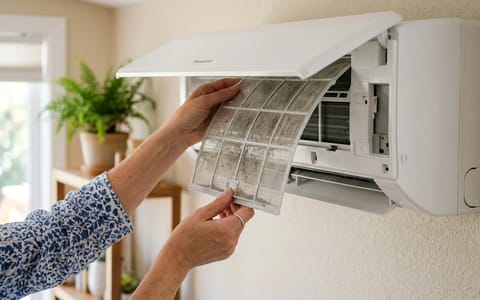
Finally, check your filters and coils. A clogged MERV 8 air filter forces your blower motor to work twice as hard to push air through the ducts. Swap your HVAC filter every 30 to 90 days. Similarly, pull your refrigerator away from the wall and vacuum the condenser coils. Dusty coils trap heat, forcing the compressor to run longer to keep your food cold.
Longer-Term Investments for Deeper Savings
While quick fixes offer immediate relief, some home improvements provide substantial, lasting reductions in your energy consumption. These investments might require an upfront cost, but they often yield significant returns over time, making your home more comfortable and efficient.
Upgrade Your Insulation and Seal Drafts
Poor insulation in attics, walls, and crawl spaces is a major culprit for energy loss. Heat escapes in winter, and cool air leaks out in summer, forcing your HVAC system to run overtime. Adding insulation, sealing air leaks around windows, doors, and utility penetrations with caulk and weatherstripping, are highly effective strategies. These improvements create a tighter building envelope, drastically reducing the workload on your heating and cooling systems.
Invest in Energy-Efficient Windows
Older, single-pane windows are notorious energy sieves. They allow heat to transfer easily, making rooms feel too hot in summer and too cold in winter. Replacing them with modern, double or triple-pane windows with low-emissivity (Low-E) coatings can significantly improve your home's thermal performance. While a larger investment, energy-efficient windows can reduce heating and cooling costs by 15-25%.
Consider Smart Home Technology
Beyond programmable thermostats, a suite of smart home devices can intelligently manage your energy use. Smart lighting systems allow you to control lights remotely and set schedules, ensuring they're only on when needed. Smart plugs monitor individual appliance usage and can be programmed to turn off power-hungry devices. Integrating these systems can provide granular control and insights into your energy consumption, leading to optimized efficiency.
Replace Old Appliances with Energy Star Models
If your refrigerator is from the 90s, or your washing machine sounds like a jet engine, it might be time for an upgrade. Energy Star certified appliances are designed to use significantly less electricity than standard models. While the initial purchase cost might be higher, the long-term savings on your utility bills often outweigh the premium. Look for the Energy Star label when shopping for new refrigerators, dishwashers, washing machines, and even HVAC units.
Get a Professional Home Energy Audit
If you've tried all the common tips and your bill is still stubbornly high, a professional home energy audit can pinpoint hidden issues. Auditors use specialized tools like thermal cameras and blower doors to identify air leaks, inadequate insulation, and inefficient systems that are invisible to the naked eye. They provide a detailed report and prioritized recommendations, helping you make the most impactful improvements for your specific home.
Taking control of your electric bill is mostly about paying attention to the big systems. By managing your heating, cooling, and water heating, you can stop wasting money and keep your home comfortable without the monthly sticker shock.
- Check your water heater temperature and lower it to 120°F to cut constant heating costs.
- Locate the wattage on your major appliances to calculate their actual monthly impact on your bill.
- Use smart power strips to eliminate the silent draw of 'vampire power' from idle electronics.
- Change your HVAC filters regularly to prevent the blower motor from overworking and wasting energy.