Heat Pump vs Furnace Cost: The Honest 2026 Price Guide
Compare the real upfront and long-term costs of replacing your heating system with a heat pump versus a traditional gas furnace.
Full guide HVAC & Climate Control How your home heats, cools, and moves air, and the decisions that matter.Replacing an aging HVAC system forces a major decision. You can stick with the familiar reliability of a traditional gas furnace, or you can make the leap to a modern, electrified heat pump. If you are reading this, you are likely searching for the real heat pump vs furnace cost to figure out if switching away from fossil fuels actually makes financial sense.
The marketing around new heating technology gets loud, but the decision comes down to cold, hard numbers. We are going to look at the exact upfront prices, the hidden installation fees, and the long-term monthly utility bills for both systems.
The Big Picture: How Do They Actually Heat Your Home?
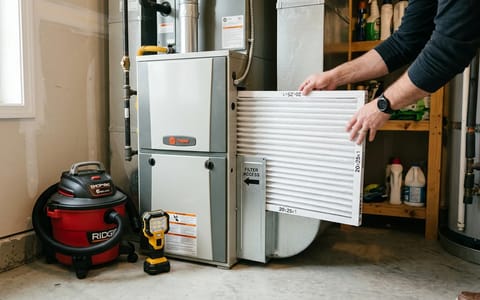
Before looking at the price tags, you need to know what you are buying. A traditional gas furnace creates heat by burning combustible fuel. It ignites natural gas or propane in a burner, heats up a metal heat exchanger, and blows air across it into your ductwork, typically reaching temperatures of 120-140°F (49-60°C). It is a straightforward, brute-force way to warm a house.
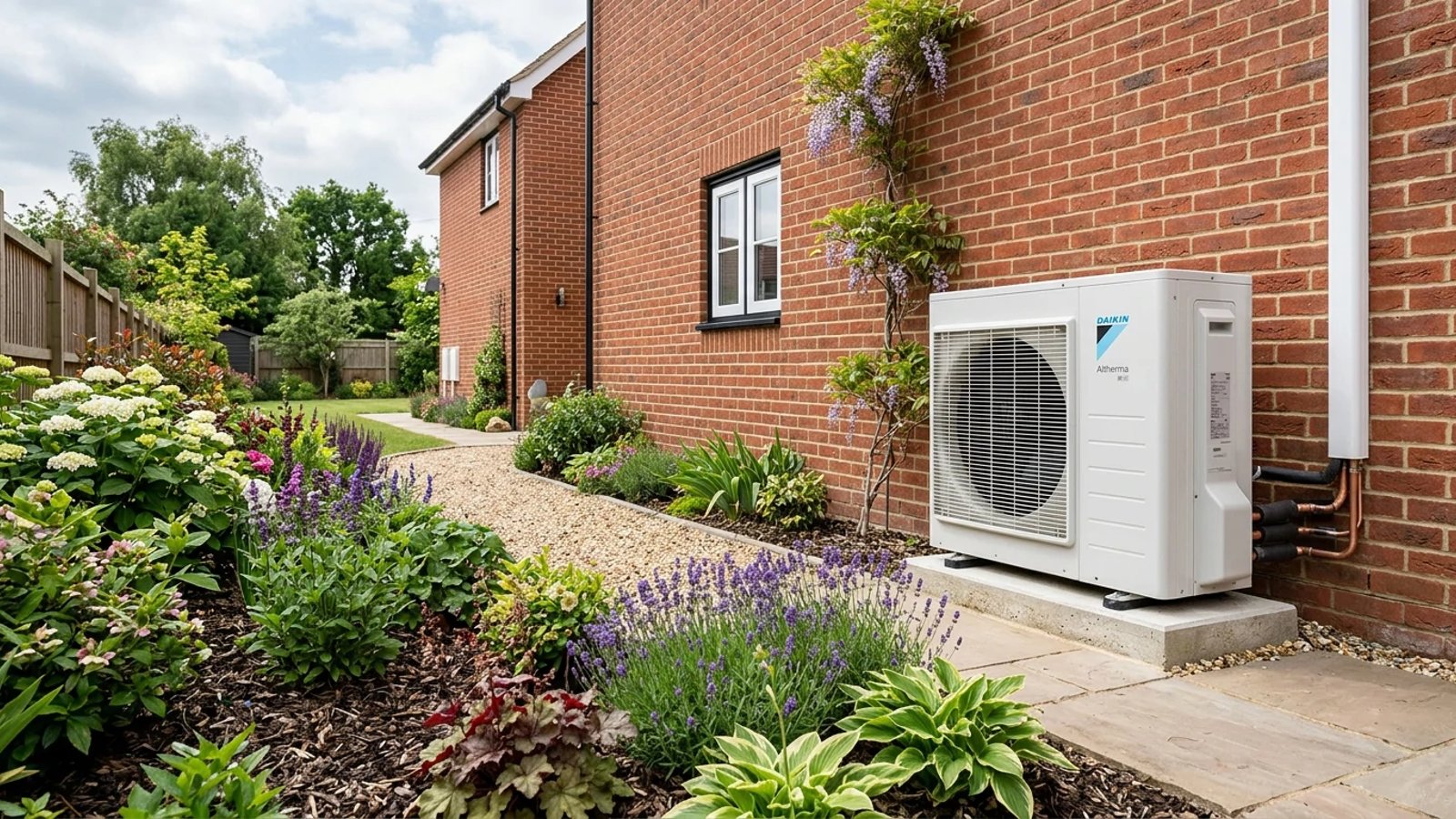
A heat pump works entirely differently. It does not burn fuel to create heat. Instead, it uses electricity and refrigerant to absorb heat from the outside air and move it inside. Even when it feels freezing outside, there is still ambient heat energy in the air. In the summer, the system simply reverses the process, acting exactly like a standard air conditioner to cool your home.
This heat transfer process makes heat pumps incredibly efficient. Unlike a furnace that creates heat by burning fuel, a heat pump simply moves existing thermal energy from one place to another. Think of it like a refrigerator, but in reverse, or with the ability to reverse direction. The refrigerant cycles through coils, absorbing heat from the outside air, compressing it to raise its temperature, and then releasing it indoors. In warmer months, the cycle reverses, pulling heat from your indoor air and expelling it outside, making it a year-round climate control solution.
A heat pump doesn't generate heat; it moves it. That fundamental difference changes everything about your monthly utility bill.
Upfront Heat Pump vs Furnace Cost: What Are the Real Numbers?
The initial price tag is usually the biggest hurdle for homeowners. On average, a heat pump costs more to purchase and install than a standard gas furnace. However, because a heat pump also replaces your air conditioner, you have to factor that into the math if your AC is also on its last legs.
Those are just the baseline averages. The hidden fees are what catch people off guard. When we replaced the heating system in my 1970s colonial last year, the electrical panel upgrade required to support the new heat pump added $2,200 to the final quote. Heat pumps require a dedicated 240-volt circuit. If your home still runs on a 100-amp electrical service, you will likely need a heavy-up to 200 amps.
Conversely, if you are installing a high-efficiency condensing gas furnace, you might need to run new PVC venting through your roof or side wall, which can add $500 to $1,000 to the installation.
Beyond the major structural or electrical upgrades, don't forget the smaller but significant costs that can add up. Things like new thermostats (especially smart thermostats that can optimize heat pump performance), duct sealing to ensure efficient airflow, or even permits required by your local municipality can collectively add hundreds of dollars to the final bill. Always ask your HVAC contractor for an itemized quote that breaks down all these potential additional expenses, rather than just a single lump sum.
Operational Costs: Monthly Utility Bills Compared
Comparing the monthly heat pump vs gas furnace cost requires looking at your local utility rates. Because a heat pump transfers heat rather than generating it, it can reach efficiencies of 300% to 400%. For every unit of electricity it consumes, it outputs three to four units of heat. A high-efficiency gas furnace tops out at about 98% efficiency.
However, electricity is generally more expensive per unit than natural gas. If you live in an area with cheap natural gas and expensive electricity, a gas furnace might still be cheaper to run month-to-month despite being less efficient on paper.
Climate Check: Does Your Zip Code Dictate the Winner?
Your local winter temperatures play a massive role in system performance. Ten years ago, heat pumps were only recommended for mild southern climates. Today, cold-climate heat pumps can maintain 100% heating capacity down to 5°F (-15°C) and continue operating at sub-zero temperatures.
But as the temperature drops, a heat pump has to work harder to extract heat, which draws more electricity. If you live in a region that regularly sees weeks of sub-zero weather, a gas furnace will provide faster, hotter air. Many northern homeowners opt for a dual-fuel system: a heat pump for the mild fall and spring months, with a gas furnace kicking in only during extreme deep freezes.
Tax Credits and Rebates: Changing the Math in 2026
You cannot accurately calculate your total costs without factoring in federal and local incentives. Under current federal programs, homeowners can claim a substantial tax credit for installing high-efficiency heating systems.
Right now, you can claim a tax credit of up to 30% of the project cost, capped at $2,000, for a qualifying heat pump. Gas furnaces also qualify for credits, but the cap is significantly lower, usually maxing out at $600. Always check the official Energy Star guidelines to verify which specific models meet the efficiency tiers required for the current tax year.
Maintenance and Lifespan: Long-Term Ownership Costs
The purchase and operational costs are only part of the equation; long-term ownership involves maintenance and eventual replacement. Both systems benefit from annual professional tune-ups to ensure optimal performance and efficiency. For a gas furnace, this typically involves checking the heat exchanger for cracks, cleaning burners, and inspecting the flue. Heat pumps require similar checks of refrigerant levels, coil cleaning, and fan motor inspections.
On average, a well-maintained gas furnace can last 15-20 years. Heat pumps also have a similar lifespan, often ranging from 15-20 years, especially if they are part of a dual-fuel system where the furnace handles the harshest winter days. However, the outdoor unit of a heat pump works year-round (heating and cooling), which can sometimes lead to slightly faster wear and tear compared to a dedicated AC unit that only runs seasonally. Regular filter changes are crucial for both systems to maintain air quality and efficiency.
Repair costs can vary widely. Common furnace repairs might include ignitor replacement or blower motor issues, while heat pump repairs could involve compressor issues or refrigerant leaks. Having a reputable HVAC technician who is familiar with both technologies is key to managing these long-term costs effectively. Some manufacturers offer extended warranties that can provide added security for major components.
How to Prep Your Home Before Getting Quotes?
Before you invite sales reps into your living room, take 30 minutes to inspect your current setup. This prevents you from being blindsided by surprise upgrade fees.
- Check your electrical panel. Open your breaker box and look at the main breaker switch at the top. If it says 100 or 150, you might need a panel upgrade for a heat pump.
- Inspect your ductwork. Go into the basement or attic and look for obvious gaps or crushed sections. New high-efficiency systems need proper airflow to function correctly.
- Locate your gas line. If you are switching from a furnace to a heat pump, ask your contractor how they plan to safely cap and seal the abandoned gas line.
- Find your AC manufacturing date. Check the data sticker on your outside AC unit. If it is more than 10 years old, replacing both the furnace and AC with a single heat pump makes more financial sense.
The Verdict: Which System Wins?
There is no universal winner. The right choice depends entirely on your house, your climate, and your wallet. If your air conditioner is also failing, you have solar panels to offset electricity costs, and your electrical panel is already 200 amps, a heat pump is an excellent long-term investment. The federal tax credits make the upgrade highly attractive.
On the other hand, if you live in a freezing climate, have cheap local natural gas, and your current AC is brand new, sticking with a high-efficiency gas furnace is usually the most cost-effective route. Run the numbers, collect at least three quotes, and choose the system that fits your specific home.
Beyond the financial considerations, there's also the environmental aspect. Heat pumps, by using electricity to move heat rather than burning fossil fuels, offer a significant reduction in a home's carbon footprint, especially when coupled with renewable energy sources like solar panels. As electricity grids become cleaner, the environmental benefits of heat pumps will only grow. This 'future-proofing' against rising fossil fuel costs and increasing environmental regulations is a compelling, albeit less tangible, factor for many homeowners.
- Check your electrical panel capacity—heat pumps usually require a 200-amp service.
- Compare your local electricity and natural gas rates to project accurate monthly operational costs.
- Claim up to $2,000 in federal tax credits for qualifying heat pump installations.
- Consider a dual-fuel system if you live in a region with extreme sub-zero winters.