How Much Is a New Roof? A Simple Guide to Replacement Costs
A straightforward guide to roof replacement costs, breaking down material choices, labor expenses, and how to navigate contractor estimates.
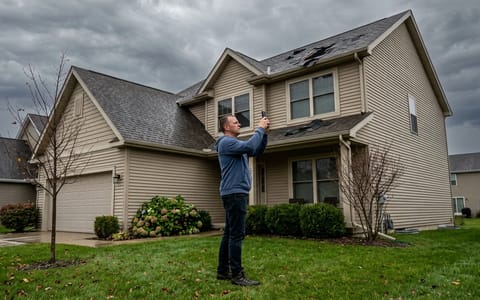
Full guide Roofing Learn how long shingles last, how to spot leaks early, and how to decide between a quick repair and a full roof replacement.You noticed a brown water stain blooming on the living room ceiling, or maybe a recent windstorm blew a dozen brittle shingles into your front yard. Now you are staring up at your house, dreading the impending bill, and typing "how much is a new roof" into your phone. Replacing a roof is one of the largest capital expenses a homeowner faces, and getting a straight answer on pricing can be incredibly frustrating.
Contractors often hesitate to give numbers over the phone, and online calculators spit out ranges so wide they are practically useless. But understanding the baseline costs, the materials, and the labor breakdown is the only way to protect yourself from inflated quotes.
How much is a new roof for a standard home?
For a typical 2,000-square-foot house in the United States, a standard asphalt roof replacement costs between $7,000 and $12,000. The national average hovers right around $9,000. If you have a smaller home or a very simple roofline, you might get away with $5,500. If you live in a high-cost coastal city or have a massive, steep roof, that number can easily climb past $15,000.
Roofers do not price jobs by the square foot. They price them by the "square." One roofing square equals 100 square feet of roof area. You can expect to pay between $350 and $550 per square for standard architectural shingles, fully installed.
Keep in mind that your roof's square footage is always larger than your home's interior square footage because of the overhangs (eaves) and the slope (pitch). A house with a 2,000-square-foot floor plan often has a roof that measures 23 or 24 squares.
The Anatomy of a Roof Replacement Bill
When you hand over a $9,000 check, you are paying for much more than just the shingles you see from the street. Materials only account for about 40% of that final number. The other 60% goes to labor, overhead, insurance, and disposal fees.
Here is exactly where your money goes during a standard replacement:
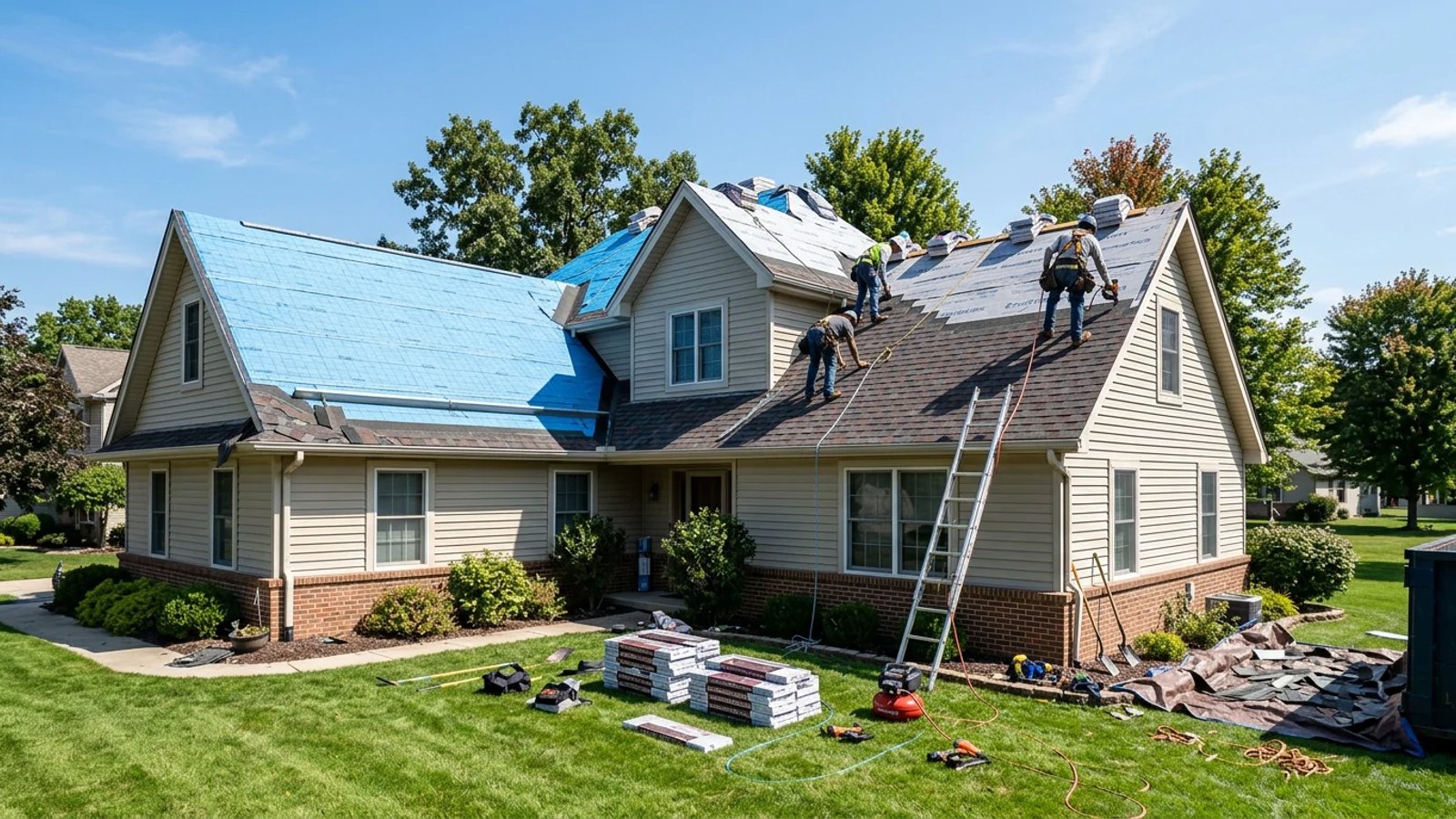
Tear-off and disposal: Before new shingles go down, the old ones must come off. Stripping a roof is brutal, heavy labor. Your quote includes the cost of the crew's time, plus the dumpster rental and landfill tipping fees for thousands of pounds of old asphalt.
Decking repairs: This is the wild card of roofing. The decking is the plywood or OSB base that covers your rafters. Roofers cannot see the exact condition of their decking until they tear off the old shingles.
Plywood replacement typically runs about $70 to $90 per sheet installed. A trustworthy roofer will list the per-sheet price for wood replacement directly in your contract.
Underlayment and water barriers: Between the wood deck and the shingles sits the underlayment. Modern roofs use a synthetic woven fabric that resists tearing and blocks moisture. In cold climates, building codes also require an ice and water shield—a sticky, rubberized membrane—installed along the eaves and in the valleys to prevent ice dams from forcing water into the house.
Flashing and ventilation: Flashing consists of the metal strips installed around chimneys, skylights, and in the valleys where two roof slopes meet. Replacing it is tedious but mandatory for a watertight seal. Your bill also includes new ventilation, typically a ridge vent cut into the peak of the roof, which allows hot air to escape the attic.
Breaking Down Roofing Material Costs
The material you choose has the biggest impact on your total bill. While asphalt dominates the residential market, it is worth understanding the alternatives.
3-Tab Asphalt Shingles
These are the flat, basic shingles that dominated the market for decades. They are the cheapest option, running $300 to $450 per square installed. However, they only last 15 to 20 years and are highly susceptible to wind damage. Most reputable roofers are moving away from 3-tab entirely because the labor costs the same, but the product is inferior.
Architectural Asphalt Shingles
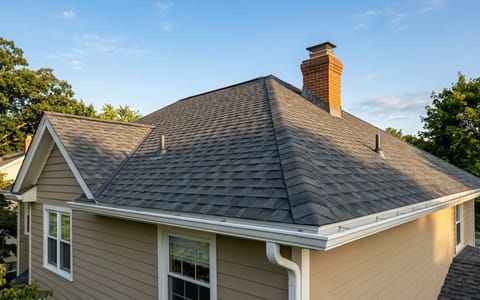
Also known as dimensional shingles, these are thicker, heavier, and layered to look like wood shakes. They cost slightly more—$350 to $550 per square—but offer superior wind resistance and a lifespan of 25 to 30 years. This is the sweet spot for 90% of homeowners. If you want to check the energy efficiency of specific brands, you can review Energy Star certified roofing products to see if a cool-roof option makes sense for your climate.
Metal Roofing
Metal roofs are highly durable, fire-resistant, and can last 50 years. Exposed fastener metal panels (where the screw heads are visible) cost $500 to $800 per square. Standing seam metal roofs, which hide the fasteners under interlocking ridges for a sleek look and better waterproofing, are a premium product. Expect to pay $900 to $1,300 per square for standing seam. It is a massive upfront investment, but it is likely the last roof you will ever buy.
How to Navigate Contractor Estimates?
Knowing the average costs is only half the battle. The other half is ensuring the contractor you hire is actually giving you a fair deal. To navigate the high-pressure sales tactics and wildly varying bids common in roofing, focus on comparing at least three itemized estimates.
- Get exactly three local bids. Any fewer, and you lack a baseline. Any more, and you will just confuse yourself. Stick to established local companies with physical addresses, not storm-chasers who knock on your door after a weather event.
- Demand itemized quotes. Reject any estimate that just says "Replace roof: $9,500." You need to see the brand of shingles, the type of underlayment, the linear feet of ridge vent, and the exact cost per sheet for replacing rotted plywood.
- Compare the flashing details. A cheap roofer will reuse your old, bent metal flashing around the chimney to save a few bucks. A quality roofer will specify "new 26-gauge step flashing" in the bid. This is where leaks happen, so insist on new metal.
- Check the warranty language. There are two warranties on a roof: the manufacturer's warranty on the materials, and the roofer's warranty on the workmanship. Look for at least a 5-year workmanship warranty.
Ways to Keep Roof Replacement Costs in Check
If the estimates are stretching your budget, there are a few practical ways to manage the expense without compromising on the quality of the installation.
First, timing matters. Roofers are busiest in the late summer and early autumn as homeowners rush to beat the winter weather. If you can schedule your replacement for late winter or early spring (weather permitting), contractors are often hungrier for work and may offer a 5% to 10% discount to keep their crews busy.
Second, keep the geometry simple. If you are planning a renovation that involves changing the roofline—adding dormers or steep gables—know that every valley and angle adds significant labor time. A simple, walkable gable roof is always the cheapest to shingle.
Finally, check with your insurance agent if your roof is failing due to a recent storm. If a hailstorm battered your neighborhood, your policy might cover the replacement minus your deductible. However, if the roof is simply 25 years old and curling at the edges, insurance will not help.
The cheapest roof is the one you only have to pay for once. Do not sacrifice quality on the underlayment or flashing just to save a few hundred dollars today.
A new roof is a massive purchase, but understanding the math takes the sting out of the process. Once you know what materials actually cost and how labor factors into the final number, you can review those bids critically. Hire a contractor who communicates clearly, uses quality components, and puts everything in writing, and you will secure a dry, well-protected house for the next two decades.
- Budget $350 to $550 per roofing square (100 square feet) for architectural asphalt shingles installed.
- Expect hidden costs for rotted plywood decking, which contractors can only see after tearing off the old roof.
- Never accept a single lump-sum estimate; demand an itemized breakdown of materials and labor.