How to Get Rid of Silverfish (And Stop Them Returning)
Spotting a silverfish in your bathroom is unsettling, but these prehistoric-looking bugs are just a sign of excess moisture. Learn how to eliminate them naturally by fixing the root cause.
Full guide Pest Control Learn how to stop ants, mice, termites, and wasps from invading your home and know when to hire a pro.You flip on the bathroom light at 2 a.m., and a silvery, tear-drop-shaped bug darts across the tile. It moves fast, looks prehistoric, and immediately makes your skin crawl. Take a breath. Silverfish are gross, but they do not bite, carry diseases, or cause structural damage to the wood in your home. They are simply a symptom of a specific environmental problem.
If you want to know how to get rid of silverfish, you have to understand what they are looking for. These insects are on a constant hunt for two things: moisture and starch. When you see them scurrying across your floor, they are telling you that a part of your house is too damp.
What Are Silverfish and Why Are They in My House?
Silverfish (Lepisma saccharinum) are wingless insects with silvery-grey scales and long antennae. They get their name from their fish-like appearance and the wiggling motion they make when they run. They are nocturnal, which is why you usually only spot them when you turn on a light in the middle of the night.
These pests require high humidity to survive—typically between 75 and 90 percent. They also need a food source rich in carbohydrates and starches. In a natural environment, they eat decaying leaves. Inside your house, they eat cardboard, book bindings, wallpaper paste, dead skin cells, and hair.
Beyond just seeing the bugs themselves, other signs of a silverfish problem include small, irregular holes (often less than a quarter-inch in diameter) or yellow staining on paper goods, books, wallpaper, or fabrics. You might also find their tiny, pepper-like droppings or shed skins, which look like miniature, translucent versions of the bug itself. These subtle clues can help pinpoint their favorite hiding spots.
Bathrooms are ground zero for silverfish because they offer everything the bugs need. Shower steam coats the walls in condensation, damp bath mats sit on the floor for hours, and the dark cabinets under the sink provide a safe, humid hiding spot. Basements, laundry rooms, and poorly ventilated attics are also common habitats.
How to Get Rid of Silverfish
Spraying a random bug killer on the floor might kill the one silverfish you see, but it will not stop the dozens hiding behind your drywall. To eliminate an infestation, you have to alter their environment so they can no longer survive in your home. Here is the step-by-step process.
- Lower the indoor humidity. Silverfish physically cannot survive in dry air. Use a dehumidifier in damp basements, and run your air conditioner during humid months to pull moisture out of the air.
- Run exhaust fans longer. After taking a shower, leave the bathroom exhaust fan running for at least 30 minutes to clear the steam. If your bathroom does not have a fan, crack a window.
- Remove their starchy food sources. Get rid of old magazines, newspapers, and junk mail. Swap out corrugated cardboard storage boxes in your basement or attic for airtight plastic bins.
- Apply food-grade diatomaceous earth (DE). Sprinkle a light dusting of DE along baseboards, behind toilets, and under sinks. This natural white powder destroys the waxy outer coating of the insect's exoskeleton, causing it to dry out and die.
- Use natural deterrents like cedar oil. Silverfish hate the smell of cedar. Wipe down the inside of your bathroom cabinets with water mixed with a few drops of cedar essential oil, or place cedar blocks in damp corners.
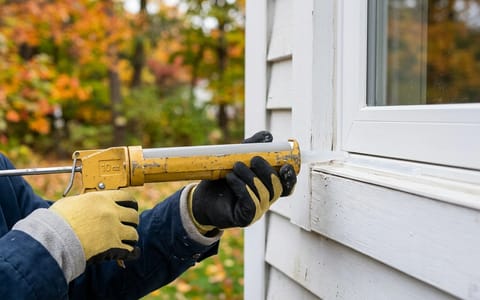
- Seal up entry points. Use 100% silicone caulk to seal gaps between your baseboards and the floor, as well as the rings (escutcheons) where plumbing pipes enter the drywall.
Implementing these steps consistently is crucial for long-term success. Silverfish infestations rarely disappear overnight, so patience and diligence are key. By systematically reducing moisture and eliminating food sources, you create an environment where these pests simply cannot thrive.
Hunting Down Hidden Moisture Sources
A few years ago, I kept finding silverfish in my own downstairs half-bath. I would vacuum them up, clean the floors, and think the problem was solved. A week later, another bug would scurry across the tile. I finally got down on my hands and knees with a flashlight and checked the plumbing.
Sure enough, the PVC P-trap under the pedestal sink had a microscopic drip. It was barely enough to puddle, but it kept the dark space behind the pedestal permanently damp. Once I tightened the slip nut and dried the floor with a towel, the silverfish disappeared completely within a few days.
Silverfish are essentially living moisture meters; if you see them frequently, you have a dampness problem somewhere nearby.
If you have implemented basic humidity control but still see bugs, you need to play detective. Check under every sink for slow drips. Feel the drywall around your shower for soft spots. Inspect your washing machine hoses. Even a slightly weeping shutoff valve can create enough local humidity to support a colony of silverfish.
Don't forget to check less obvious places, too. Inspect the seals around your dishwasher, look for condensation on cold water pipes in basements, and ensure your refrigerator's drip pan isn't overflowing. Even small cracks in your foundation or gaps around window frames can allow moisture to seep in, creating inviting conditions for silverfish. Addressing these issues promptly not only gets rid of pests but also prevents more serious structural damage down the line.
Are Chemical Sprays Worth the Effort?
Hardware stores sell dozens of chemical sprays and sticky traps marketed for silverfish. While sticky traps are great for monitoring an area to see how many bugs you have, chemical sprays are often a waste of time and money.
Sprays only treat the symptom, not the root cause. If you spray a baseboard but leave a leaky pipe dripping behind the wall, new silverfish will simply move in once the pesticide degrades. Additionally, many of these chemicals are toxic to pets and children. Sticking to environmental control—drying out the air and removing food sources—is far more effective and completely safe.
When Should You Call a Professional?
Most silverfish problems can be handled by a homeowner with a dehumidifier and some caulk. However, there are times when the infestation points to a much larger structural issue.
A professional exterminator has access to specialized baits that silverfish will carry back to their nests, which is helpful if the bugs are living deep inside your attic insulation or wall voids where you cannot reach them. They can also conduct thorough inspections using specialized equipment to detect hidden moisture sources that might be overlooked by the average homeowner, providing a comprehensive solution to persistent problems.
Long-Term Prevention: Keeping Them Away for Good
Once you get rid of silverfish, you want to make sure they never come back. Long-term prevention is entirely about maintaining a dry, clean home.
Regular cleaning is a simple yet effective preventive measure. Vacuum frequently to remove dead skin cells, hair, and food crumbs that silverfish love. Dust shelves and neglected corners, especially in closets and pantries, where these pests might find undisturbed food sources. Also, ensure your attic and crawl spaces are well-ventilated and free of debris, as these often become forgotten damp havens for pests.
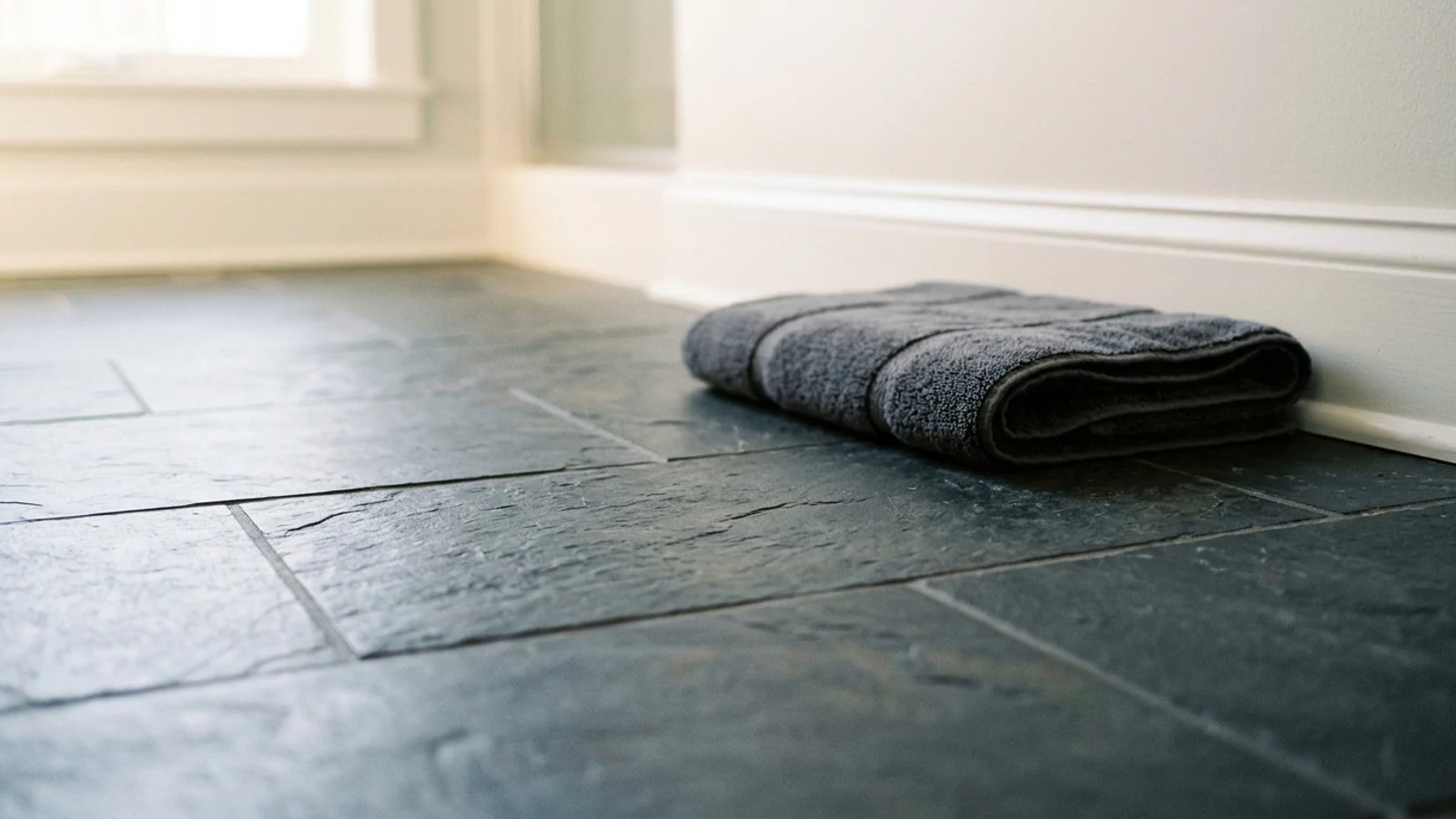
Start by getting your bath mats off the floor. Hang them over the edge of the tub or on a towel bar after you shower so they can dry completely. A damp mat left on the floor is a five-star hotel for a silverfish. Next, keep your gutters clean and ensure your downspouts push rainwater at least five feet away from your foundation. If the soil around your house is constantly saturated, moisture will wick into your basement or crawl space, bringing pests with it.
Finally, keep your dry goods secure. If you store flour, sugar, or oats in the pantry, transfer them from their original paper bags into airtight glass or plastic containers. By denying these pests the water and starches they crave, you will force them to look elsewhere for a home.
- Lower your home's humidity to dry out silverfish habitats.
- Replace cardboard storage boxes with airtight plastic bins.
- Run bathroom exhaust fans for at least 30 minutes after showering.
- Seal cracks along baseboards and plumbing fixtures to cut off entry points.