How to Get Rid of Spiders in House (And Keep Them Out)
Tired of eight-legged roommates? Learn why spiders become so active in the fall and how to naturally repel them using physical barriers and DIY peppermint sprays.
Full guide Pest Control Learn how to stop ants, mice, termites, and wasps from invading your home and know when to hire a pro.It happens every October. The temperatures drop, the leaves start to turn, and suddenly you spot a massive wolf spider sprinting across your living room rug. If you are scrambling to figure out how to get rid of spiders in house without resorting to harsh chemical foggers, you are not alone. Late summer and early fall bring a massive spike in indoor spider sightings.
Before you call an exterminator to spray down your baseboards, you can take control of the situation using simple exclusion methods and natural deterrents. The goal is to make your home physically impenetrable and completely uninviting to eight-legged guests.
Why Are There So Many Spiders in the House Right Now?
Most homeowners assume spiders migrate indoors to escape the autumn chill. The truth is a bit more surprising. Many of these spiders have been living quietly in your wall voids, crawl spaces, and basement corners all year long. Fall is their mating season. During this time, a single female house spider can lay hundreds of eggs in a sac, leading to a population boom if not addressed.
When house spiders reach maturity late in the year, the males abandon their webs. They start roaming your floors, scaling your walls, and crossing your ceilings in a desperate search for a mate. You are seeing them more often simply because they are moving around more. Understanding this behavior is the first step in stopping them, as it means you need to treat the deep, dark corners of your home, not just the entry doors.
Seal the Perimeter: Physical Exclusion Tactics
Spiders can squeeze through gaps as small as 1/16 of an inch. To keep them out, you need to tighten up your home's exterior envelope. This is the most effective, long-lasting pest control method available.
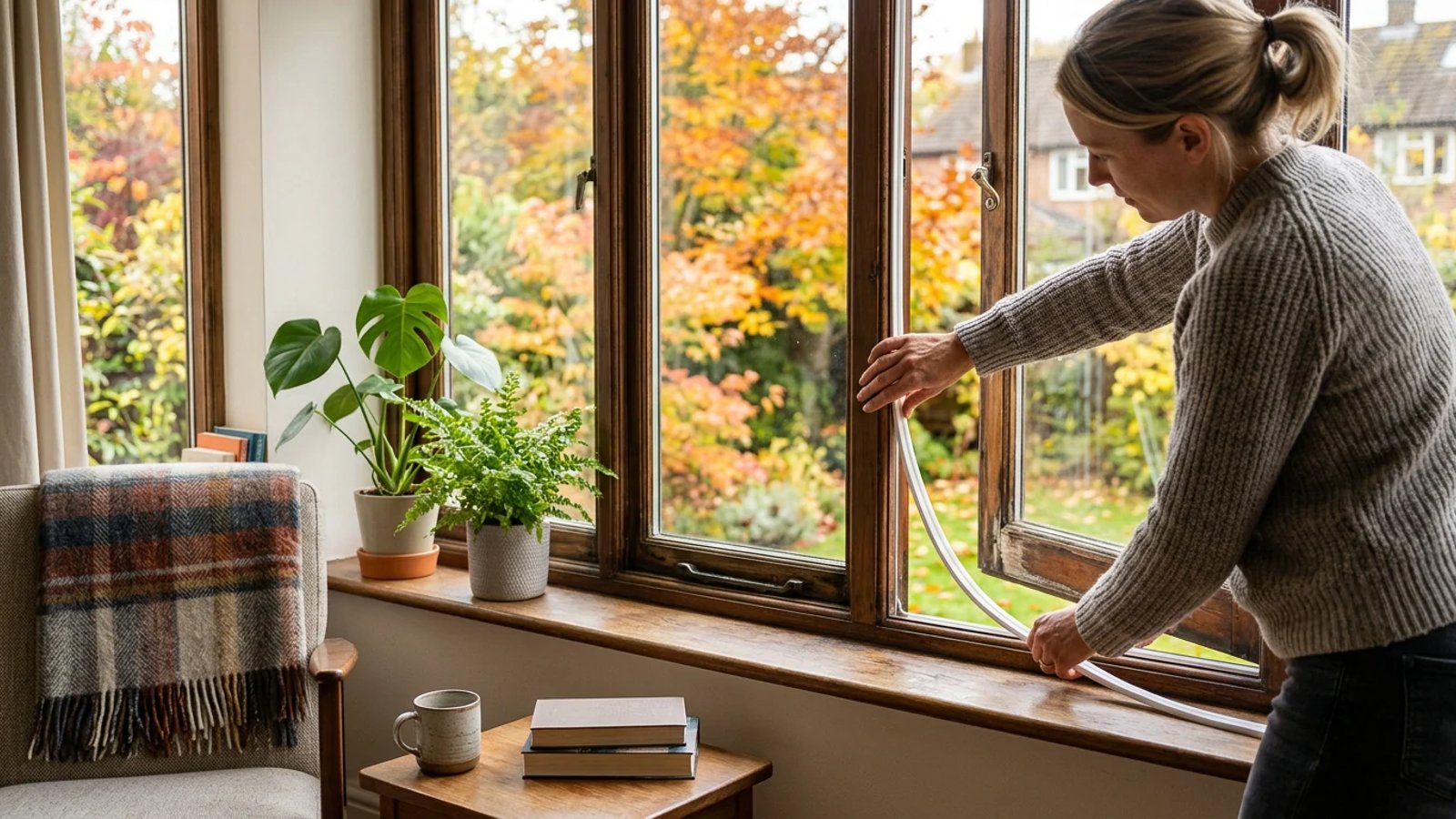
- Inspect your weatherstripping. Check the sweeps under all exterior doors. If you can see daylight shining under the door, a spider can easily walk right through.
- Caulk foundation gaps. Use a high-quality exterior silicone caulk (usually $8-$12 a tube at hardware stores) to fill cracks around basement windows and utility penetrations.
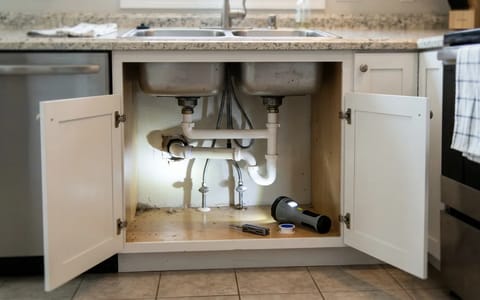
- Seal around pipes. Look under your kitchen and bathroom sinks where the plumbing enters the drywall. Fill any oversized holes with expanding foam.
- Repair window screens. Patch any small tears in your screens before throwing open the windows to let in the crisp fall breeze.
Last October, I noticed a sudden influx of large wolf spiders in my unfinished basement. After spending 30 minutes replacing the worn rubber sweep on my walkout basement door and caulking a small gap around the dryer vent, the spider sightings dropped to zero almost overnight.
Starve Them Out by Evicting Other Bugs
Spiders are predators. They set up camp where the hunting is good. If you have a thriving population of fruit flies, fungus gnats, silverfish, or ants, you are running an all-you-can-eat buffet for spiders. Address the underlying food source, and the spiders will move on to better hunting grounds.
Keep your outdoor porch lights off at night, or switch them to yellow bug-safe LED bulbs. Bright white lights attract swarms of flying insects to your doors, which in turn attract hungry spiders looking to build webs near the light source. Inside the house, store your pantry items in airtight containers, fix dripping faucets that provide water for pests, and wipe down your kitchen counters nightly.
How to Get Rid of Spiders in Your House Naturally
Instead of reaching for broad-spectrum insecticides, you can mix a highly effective deterrent using basic household staples. Spiders taste and smell through sensory organs on their legs. They aggressively avoid strong, acidic, or mentholated scents.
- Mix your liquid base. Combine equal parts water and white vinegar in a clean spray bottle.
- Add essential oils. Drop in 15 to 20 drops of 100% pure peppermint oil. Avoid synthetic fragrances, which lack the actual chemical compounds that repel pests.
- Test a small area. Spray a tiny amount on an inconspicuous piece of painted trim to ensure the oil and vinegar don't discolor the finish.
- Treat the entryways. Mist this solution around door frames, window sills, basement corners, and baseboards every two weeks.
The EPA recommends Integrated Pest Management (IPM), which prioritizes these types of low-risk, preventative controls over immediate chemical spraying. By making the surfaces taste and smell awful to a spider, you force them to turn around and nest elsewhere.
Clear Out the Clutter Hotspots
Spiders hate being disturbed. They seek out dark, quiet, forgotten environments to build webs and lay their egg sacs. Basements, attics, the space under your guest bed, and neglected garage corners are prime real estate.
Switch from cardboard storage boxes to heavy-duty plastic bins with tight-fitting lids. Cardboard degrades over time, absorbs ambient moisture, and provides perfect, dark hiding spots for both spiders and the smaller insects they eat. Vacuum your baseboards, ceiling corners, and the spaces behind heavy furniture at least once a month. Use the crevice tool on your vacuum to physically suck up webs and egg sacs before they have a chance to hatch.
Outdoor Strategies to Keep Spiders Away
While sealing your home's interior is crucial, the battle against spiders often begins in your yard. Many common house spiders, like wolf spiders and sac spiders, prefer to live outdoors but venture inside seeking shelter, food, or mates. By making your outdoor environment less appealing, you can drastically reduce the number of spiders knocking on your door.
Start by addressing your landscaping. Spiders love dense vegetation, woodpiles, and leaf litter, as these provide excellent hiding spots and hunting grounds for their insect prey. Keep shrubs, bushes, and tree branches trimmed back so they don't touch your house's exterior walls or roof. A good rule of thumb is to maintain at least a foot of clearance between plants and your foundation. This removes a direct bridge for spiders to access your home.
Inspect your foundation for any plant material or debris. Remove any ivy, vines, or creeping plants that are growing directly on your house. These plants offer perfect cover for spiders and other insects, creating a highway straight into your home's cracks and crevices. Also, clear away any piles of leaves, grass clippings, or other organic debris that have accumulated against your foundation. These moist, dark areas are ideal breeding grounds for insects and, consequently, for spiders.
Consider the placement of firewood. While a cozy fireplace is wonderful, storing firewood directly against your house is an open invitation for spiders, especially wood-dwelling species like black widows. Firewood piles are dark, damp, and full of nooks and crannies where spiders thrive. If possible, store firewood at least 20 feet away from your home and elevate it off the ground. This simple step can significantly reduce the chances of these venomous visitors making their way indoors.
Another often overlooked outdoor hotspot is your gutter system. Clogged gutters can create damp, debris-filled environments that attract insects, which in turn attract spiders. Regularly clean out your gutters to ensure proper drainage and remove any potential nesting sites. This also prevents water from pooling near your foundation, which can lead to other structural issues and attract moisture-loving pests.
Finally, reassess your outdoor lighting. As mentioned earlier, bright white lights attract numerous flying insects at night, creating an irresistible smorgasbord for hungry spiders. Switch to yellow "bug light" bulbs for your porch and exterior lights, or consider using motion-sensor lights that only turn on when needed. This minimizes the attraction of prey insects to your home's perimeter, thereby making it a less desirable hunting ground for spiders.
Implementing these outdoor strategies complements your indoor efforts, creating a comprehensive defense against spiders. It's about thinking like a spider: where would I hide? Where would I find food? By eliminating these attractive features from your property, you're building a formidable barrier that keeps the eight-legged invaders where they belong – outside.
Getting rid of house spiders naturally takes a little elbow grease, but it is highly effective. By taking an afternoon to seal up entry points, eliminating their insect food sources, and making your baseboards smell uninviting, you can reclaim your home and enjoy a bug-free winter.
- Spiders can squeeze through gaps as small as 1/16 of an inch—check your door sweeps and window screens.
- Cardboard boxes attract moisture and bugs; switch to airtight plastic storage bins in your basement and attic.
- Spiders taste with their legs and will actively avoid surfaces sprayed with strong, acidic scents like vinegar or peppermint.