What Is a Backwater Valve?
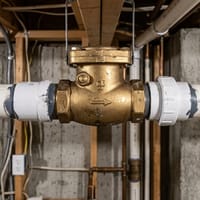
A backwater valve is a plumbing device that stops municipal sewage from flowing backward into your basement drains. It forces your wastewater to travel in only one direction. When you flush a toilet, take a shower, or run a sink, the water pushes a small flap open and flows out to the city sewer line. If the city sewer system gets overwhelmed by heavy rain or a blockage, the pressure tries to push water back toward your house. That's when the flap slams shut. This simple action keeps raw sewage from flooding your home. Think of it as an automatic door that only opens outward. Plumbers started using these devices in the early 20th century as city sewer systems expanded and basement flooding became a bigger problem.
Why It Matters to You
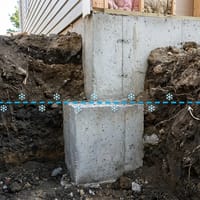
You need to care about this valve if your home sits low on a hill, has a deep basement, or connects to an older city sewer grid. City sewer systems handle massive amounts of water. When sudden, heavy storms hit, those main pipes fill up fast. Without a backwater valve, the lowest drain in your house becomes the easiest escape route for all that underground pressure. A sewage backup ruins floors, destroys drywall, and creates a massive health hazard. Cleanup easily costs thousands of dollars and ruins your personal belongings. The damage often requires major repairs to your Foundation & Structure if water sits too long and weakens the concrete. Furthermore, many standard insurance policies don't even cover sewage backups unless you buy a specific extra endorsement.
Where You Will Find It
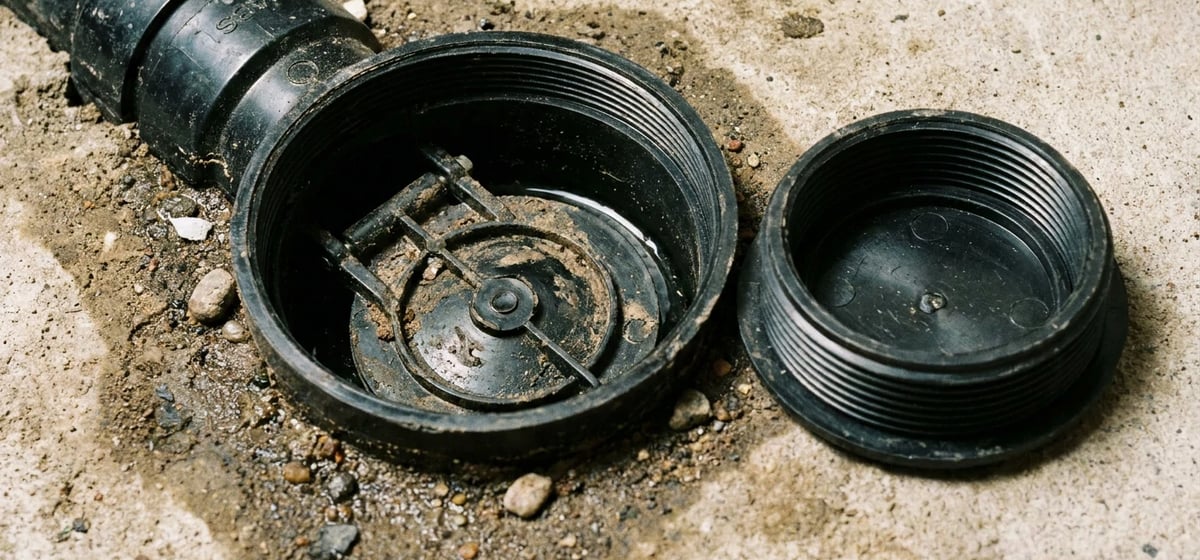
You usually find this valve installed under the floor near your main sewer exit. In most modern homes, this means looking in the basement or the crawlspace. You'll see a round or rectangular access cover sitting flush with the concrete floor. Sometimes it sits just outside the house buried in the yard with a pipe coming up to the surface. If you're doing Plumbing work or finishing a basement, you must make sure this access panel stays completely uncovered. You should never put flooring or heavy furniture over it. You need to reach it quickly for cleaning and inspections.
What It Costs to Install
Installing a backwater valve in an existing home requires breaking up concrete and digging down to the main sewer line. Because of the heavy labor, the cost ranges from 1,500 to 4,000 dollars. Prices vary based on how deep the pipe is, your soil type, and local labor rates. If you're building a new house, plumbers install it before pouring the slab. This drops the cost to around 200 to 500 dollars. Many cities offer rebates or grants to help homeowners pay for the installation to prevent widespread neighborhood flooding. Check with your local water utility before you hire a plumber to see if you qualify for financial help. You can also check our guide on Hiring Contractors & What Things Cost to learn how to get multiple quotes.
Maintenance and Things to Watch For
A backwater valve needs a little attention to keep working right. Debris like flushable wipes, cooking grease, and hair can get stuck in the flap. If the flap gets jammed open, the valve can't protect your home during a storm. You should check it once a year before the rainy season starts.
Here is what you should do to keep it in good shape:
- Unscrew the access cover and shine a bright flashlight inside the pipe.
- Look for toilet paper, roots, or grease caught on the plastic hinge.
- Run some hot water from a nearby sink to make sure the water flows freely past the flap.
- Call a licensed plumber to clean it out if you see a thick buildup you can't easily reach.