What is cement board
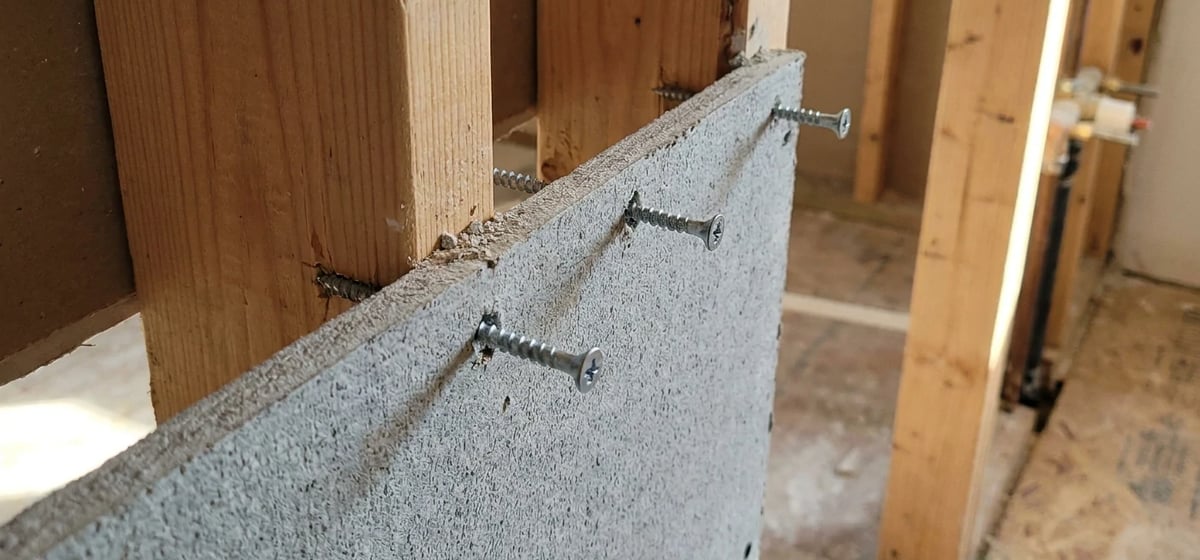
Cement board is a heavy building material made of cement and reinforcing fiberglass. You use it as a solid backing surface for tile. Builders install these rigid sheets directly onto your wall studs or your wooden subfloor. Once the board is secure, you apply thinset mortar and stick your tiles right to it. It usually comes in standard sheets that measure 3 feet by 5 feet.
Regular drywall turns to mush when it gets wet. Cement board stays strong even if water seeps behind your tiles. It won't rot, swell, or fall apart when exposed to heavy moisture. This makes it the perfect foundation for any spot in your home that sees a lot of water. It is a critical layer that sits hidden beneath your beautiful finishes.
Why it matters to your home
Water almost always finds a way through tiny cracks in your grout. If you have regular drywall behind your shower tiles, that moisture will eventually destroy the wall. The paper backing on standard drywall also acts as food for mold. Cement board has no organic material in it. Because of this, mold can't easily grow on the surface. It protects the structural wood inside your walls from hidden rot and decay.
Using the right backing material saves you from tearing out a whole bathroom just a few years after remodeling it. It is a small upgrade that adds decades of life to your tile work. The board creates a stiff, unbending surface so your grout lines don't crack when you walk on the floor or lean against the wall. You can learn more about various wall materials in our guide to Interior: Paint, Drywall & Trim.
Where you find it
You'll run into cement board anywhere you have both tile and water. It is the absolute standard base for custom showers and bathtub surrounds. Contractors also use it heavily on bathroom floors before laying down ceramic or porcelain tiles. You might see it in your kitchen as the backing for a tile backsplash or under a heavy stone floor.
- Shower walls and bathroom ceilings
- Bathroom and laundry room floors under tile
- Kitchen backsplashes behind sinks and stoves
- Outdoor kitchen counters and bases
- Behind wood stoves to provide safe fire protection
If you're planning to upgrade your home surfaces, check out our Flooring guide to see exactly where cement board fits into the renovation process.
Costs and installation
Cement board is a very affordable building material. A standard sheet usually costs between 12 to 18 dollars at a hardware store. If you hire a professional to install it, expect to pay 3 to 5 dollars per square foot for the labor and materials combined. Keep in mind that local prices and labor ranges vary by region. The material itself rarely breaks your remodeling budget.
While the boards are cheap, they are very heavy and extremely hard to cut. A single half inch thick sheet can weigh over 40 pounds. You have to score it deeply with a carbide knife and snap it, or cut it with a special saw blade. Cutting it creates a large amount of harmful silica dust, so you absolutely must wear a good respirator mask. You also need special coated screws that won't rust or strip out the cement when you drive them into the studs.
Because the material is heavy, dusty, and hard to maneuver in small bathrooms, many homeowners prefer to let a contractor handle the installation. If you're deciding whether to tackle a bathroom remodel yourself, read our guide on DIY vs. Hiring a Pro to carefully weigh your options.