What Concrete Siding Is
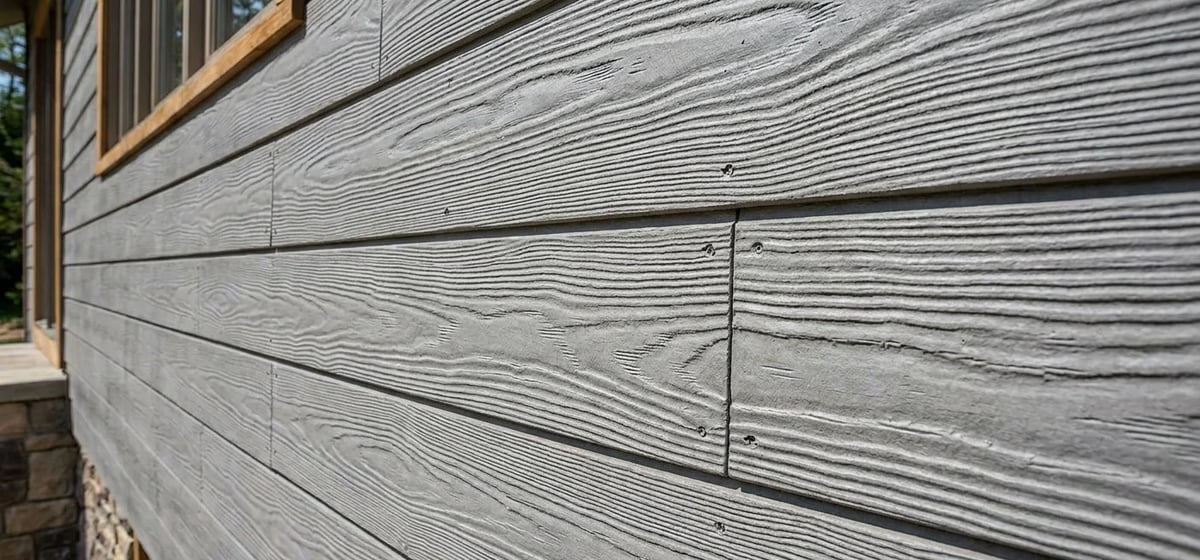
Concrete siding is a very tough exterior wall covering. Manufacturers make it from a simple mix of cement, sand, and water. They pour this wet mix into molds that look exactly like real wood boards or natural shingles. The word concrete comes from the Latin word concretus. This old word means grown together or compounded. Builders actually started using molded concrete for home exteriors back in the early 1900s. They wanted an easy way to build fireproof houses. Today, you will often hear professionals call it fiber cement siding. Modern factories add tiny cellulose fibers to the mix. These wood fibers make the heavy boards much stronger and a bit lighter to lift.
Why It Matters To You
This material protects your home much better than traditional wood siding. Bugs like termites and carpenter ants cannot eat concrete. Woodpeckers cannot peck holes into it to build their nests. It will not rot or warp when it gets wet. It is also completely fireproof. If you live in a dry area that gets wildfires, this siding is a massive benefit. The fire resistance is so good that it might even lower your monthly premiums. You can read more about protecting your property in our guide to Home Insurance.
Concrete siding also holds paint incredibly well. Regular wood expands and shrinks with the weather. This movement makes paint peel and crack. Concrete stays exactly the same size in hot and cold weather. You will usually only need to repaint it every 10 to 15 years. This saves you a lot of weekend work and money over the life of your home.
Costs And Upkeep
Upgrading the outside of your house is a big project. Concrete siding costs more than cheap vinyl siding, but it costs much less than real brick or stone. For a standard house, you can expect to pay between 8,000 and 20,000 dollars for the materials and the labor. Keep in mind that local prices vary depending on where you live and the exact shape of your house. Because it is so heavy and hard to cut, you usually need to hire a professional crew. You can learn more about finding good help in our guide on Hiring Contractors & What Things Cost.
The regular upkeep is very simple. You just need to walk around your house once a year to look at the joints. Check the rubbery caulking where the siding meets your windows and doors. If the caulk looks cracked, you just scrape it out and put in a fresh line. This stops rain from sneaking behind the walls.
What To Watch For
The biggest problem with concrete siding is bad installation. The boards are heavy and can snap if someone carries them the wrong way. When hiring a crew, make sure they follow a few basic rules:
- They must use special diamond blades to cut the thick boards.
- They should wear masks and clean up the fine dust so it stays out of your lungs.
- They must leave a gap of at least two inches between the bottom board and the dirt.
You need to watch out for moisture problems near the ground. If the siding touches the dirt or the roof shingles, it can soak up water like a sponge. This trapped water will eventually ruin the paint and damage the wood frame underneath. If you want to learn more about keeping your outside walls safe, check out our section on Exterior: Siding, Garage & Decks.