What Is Dwelling Coverage?
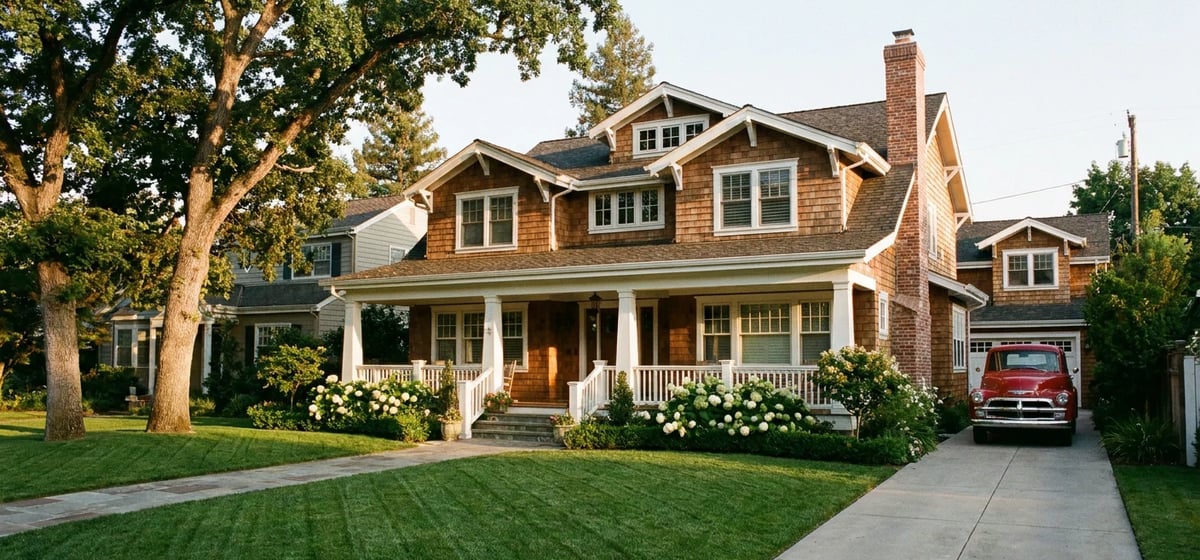
Dwelling coverage is the core part of your Home Insurance policy. It pays to rebuild or repair the physical structure of your house if a fire, storm, or other covered event damages it. This coverage protects the actual building you live in every day.
It covers the walls, roof, floors, and built in appliances. It does not cover your personal belongings like furniture or clothing. It also does not cover the land your house sits on, because dirt cannot burn or blow away.
The word dwelling comes from an old word meaning to linger or remain. Insurance companies use it to separate your main house from other things on your property. This helps them figure out exactly what they need to pay for after a disaster.
Why It Matters To You
If a major fire destroys your house, you need money to clear the lot and build a new home. Dwelling coverage provides that money. Without enough coverage, you could end up paying hundreds of thousands of dollars out of pocket to get your home back.
Construction costs change over time. The price of lumber, copper wire, and skilled labor goes up every year. You need to review your coverage limit every few years to make sure it keeps pace with local building costs.
What It Actually Covers
Dwelling coverage protects the main structure and anything permanently attached to it. If you can pick an item up and carry it out the front door, it is usually personal property. If it is bolted down or wired in, it falls under dwelling coverage.
Here are common parts of your home covered by this policy:
- The Foundation & Structure, including framing and drywall.
- The Roofing materials, trusses, and gutters.
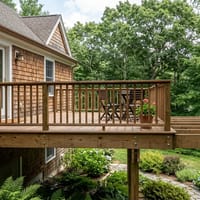
- Attached structures like a two car garage or a wooden deck connected to the house.
- Built in systems like your furnace, central air conditioner, and water heater.
- Hardwood floors, custom kitchen cabinets, and bathroom plumbing fixtures.
How Much Coverage Do You Need?
You need enough coverage to rebuild your home completely from scratch. Building a new house usually costs 150 to 400 per square foot, though ranges vary based on your location and the quality of your finishes. A standard 2,000 square foot home might need 300,000 to 800,000 in dwelling coverage.
Talk to your insurance agent to calculate the exact replacement cost. They use special software to estimate local labor and material prices. You can also ask a local custom builder what they charge per square foot for new construction in your zip code.
Many homeowners add an extended replacement cost endorsement to their policy. This gives you an extra 20 to 50 percent above your dwelling limit. It acts as a safety net if a massive storm hits your town and causes a sudden spike in lumber and labor prices.
What To Watch Out For
Do not confuse dwelling coverage with other parts of your policy. If a tree falls on your detached shed or a standalone garage, your dwelling limit will not pay for it. Those buildings fall under a different section called other structures coverage.
You also need to know what hazards your policy actually covers. Standard dwelling coverage pays for damage from fires, windstorms, hail, and vandalism. It almost never pays for damage from floods, sinkholes, or earthquakes.
If you live in an area prone to flooding or seismic activity, you must buy separate policies. Always read your policy documents carefully so you understand exactly what events trigger your dwelling coverage and what events leave you exposed.