What Is Expansive Soil
Expansive soil is dirt that contains a high amount of clay. This clay acts just like a giant sponge. When it rains, the soil absorbs the water and swells up. When the weather gets dry, the soil loses that water and shrinks down. Geologists and builders use this term because the clay minerals physically expand in volume when they take in water molecules.
Some soils have specific clays that can absorb several times their weight in water. When this happens, the ground can rise by several inches. That might not sound like a lot, but a few inches of lift can snap solid concrete. This constant shrinking and swelling creates a lot of movement in the ground. It is a common issue in many parts of the United States, especially in the South, West, and Midwest.
Where You Run Into It
You will usually hear about expansive soil when you buy a house or hire a contractor for a big project. Home inspectors often note it on their reports if they see typical cracking patterns in the brick or drywall. Structural engineers test for it before they design a new room addition. Local building departments also know which neighborhoods have bad clay. They might require special foundation designs before they approve your building permit.
Why It Matters to Your Home
The dirt under your house supports its entire weight. When that dirt swells, it pushes up on your house. When it shrinks, your house settles back down. This constant up and down motion can cause serious damage to your Foundation & Structure.
A concrete slab is very strong when it rests on flat ground. But when expansive soil pushes up on the middle of the slab and drops away at the edges, the concrete bends. Concrete doesn't bend well. It snaps. Once your foundation cracks, water and bugs can get inside your house. The shifting ground can also twist the wooden frame of your home. This makes it hard to open or close things properly, which often leads to expensive repairs for your Windows & Doors.
Signs You Have Expansive Soil
You can usually spot the effects of expansive soil before the damage gets too severe. Keep an eye out for these common warning signs around your property:
- Diagonal cracks in your interior drywall, especially above door frames.
- Doors and windows that stick or won't latch shut.
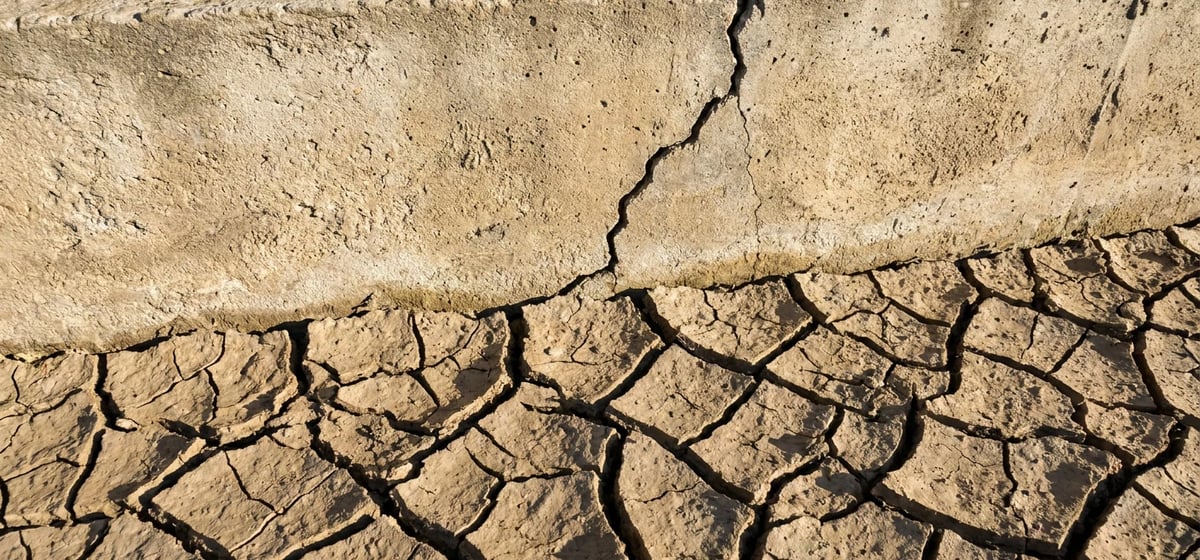
- Large, deep cracks in the dirt in your yard during a dry spell.
- Concrete driveways or sidewalks that crack and heave upward.
- Gaps between your garage door and the driveway.
How to Protect Your Home
You can't change the dirt under your house, but you can control the moisture in it. The goal is to keep the moisture level steady all year long. You want to avoid super wet soil in the spring and bone dry soil in the summer.
First, make sure rainwater flows away from your house. Check your gutters and extend your downspouts so they dump water at least five feet from your foundation. You might need to add dirt around your house so the ground slopes away. Grading your yard usually costs 500 to 2,500 dollars, but prices vary. You can learn more about managing water in our Landscaping, Drainage & Outdoor guide.
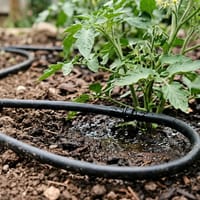
Second, water your foundation during a drought. Many homeowners run a soaker hose around the edge of their house during dry months. You place the hose about two feet away from the foundation wall. Run it for a short time each day to keep the dirt from shrinking and cracking. A good soaker hose setup costs 50 to 150 dollars and is an easy weekend project.
Finally, look at the plants near your house. Large trees and bushes drink a massive amount of water. If you plant a large tree right next to your house, its roots will suck all the moisture out of the soil during the summer. This causes the soil to shrink rapidly right under your foundation. Keep large trees at least 15 to 20 feet away from your home to prevent this problem.