What Is a Furring Strip?
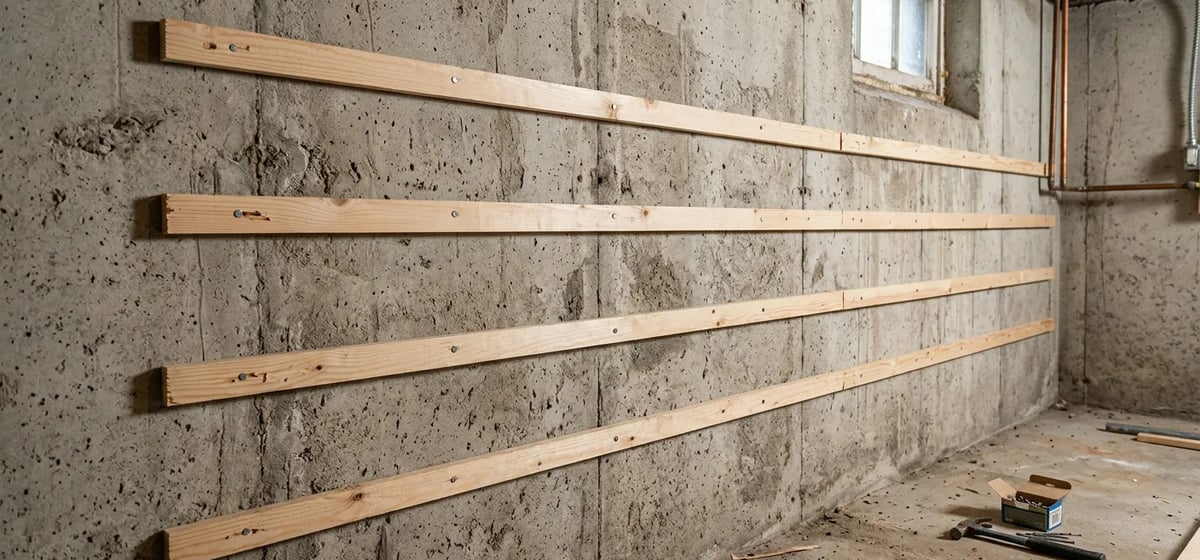
A furring strip is a long, thin piece of wood or metal. Builders use them to make a rough or uneven wall perfectly flat. The word actually comes from an old French word that means to line or fill. Carpenters adopted the term long ago to describe lining a wall before they put up the final finish. When you look at a bare concrete wall in a basement, you can't just screw drywall right into the rock. You need something for the screws to grab. That's exactly what these strips do.
Why Builders Use Them
Builders rely on these strips for a few big reasons. First, they level out bad framing or bumpy masonry. If an old brick wall bows in the middle, a carpenter can use small pieces of wood behind the strips to make a perfectly straight line. Second, they create a very helpful gap. This small space between the old wall and the new drywall is perfect for running thin wires. It also creates a break so dampness from a cold basement wall doesn't ruin your new paint. If you're updating your Electrical system, that gap is a lifesaver for hiding new cables.
The gap created by furring strips also leaves room for thin foam insulation. Adding rigid foam board between the strips helps keep your home warm. This extra layer stops cold air from moving through a solid concrete wall into your living space. Over time, this small detail can lower your heating bills.
Where You Will Find Them in Your Home
You'll mostly see furring strips during a big remodel. They show up constantly when you finish a basement because you have to attach drywall to block walls. You'll also see them if you update an old ceiling to cover popcorn texture with new drywall. If you decide to cover up a damaged plaster ceiling, contractors will run these strips across the old ceiling. Then they attach the new drywall directly to the strips. You might also hear about them if you look into Interior: Paint, Drywall & Trim projects for an older house.
They're also popular on the outside of your house. When contractors install new metal or vinyl siding over old wood siding, they often use furring strips first. This creates a flat surface for the new siding to sit on. It also creates a rain screen. A rain screen is just a gap that lets water drain away behind the siding so your house stays dry.
Wood Versus Metal Strips
You have two main choices when it comes to materials. Most residential homes use wood. Wood is easy to cut, cheap to buy, and holds a standard drywall screw perfectly. Carpenters usually buy them in sizes called 1x2 or 1x3. Metal strips are more common in commercial buildings or modern apartments. They're made of galvanized steel. Metal doesn't warp, rot, or twist like wood can. If you live in a very humid area, metal is a smart upgrade. Metal strips also resist bugs, which is helpful if you worry about termites in your basement.
| Material | Pros | Cons |
|---|---|---|
| Wood | Cheap, easy to cut, holds screws well | Can warp, can rot if it gets wet |
| Metal | Perfectly straight, won't rot, fireproof | Costs more, harder to cut |
Material Costs and Labor
The material itself is incredibly cheap. A standard wooden furring strip costs about 1 to 3 dollars at the hardware store. Metal strips cost a bit more, usually 3 to 6 dollars each. However, the real cost is the labor to install them perfectly level. If you hire a contractor to frame out a basement using these strips, you might pay 500 to 1500 dollars just for the framing labor. Keep in mind that prices always vary based on where you live and the size of your room. Adding these strips is a common step when you are Hiring Contractors & What Things Cost for a basement remodel.