What Is Kick-Out Flashing?
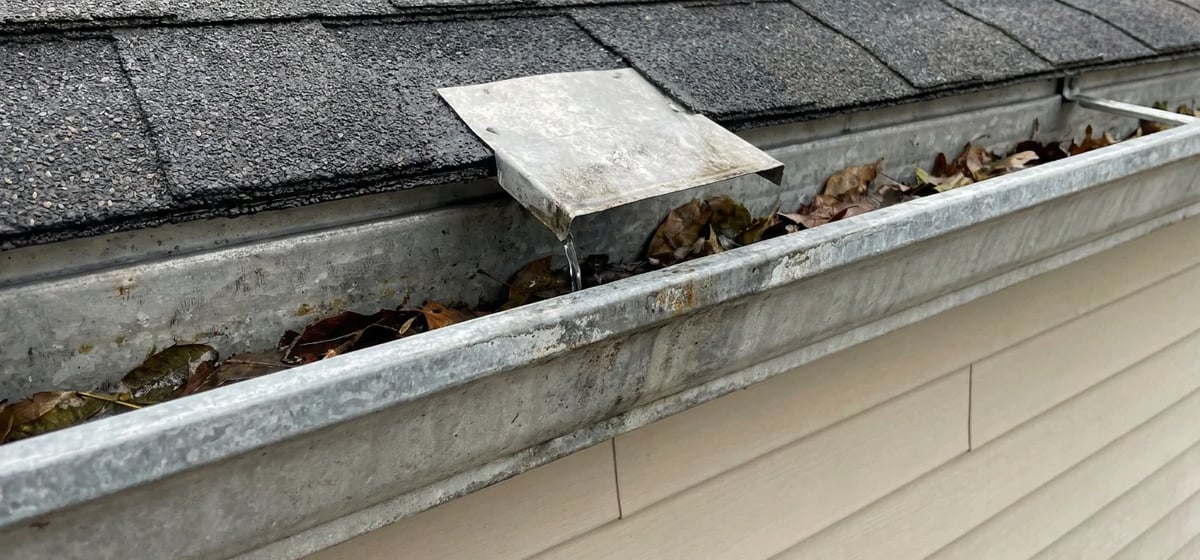
Kick-out flashing is a small piece of angled metal on your roof. You'll find it right where the bottom edge of your roof meets a vertical side wall. Roofers created this term because the metal physically kicks the rainwater out and away from the building.
It acts like a tiny slide for rain. Instead of letting water run straight down the side of your house, it catches the flow. It then dumps that water safely into your gutter system.
This simple metal piece became a standard building code requirement in the late 1990s. Builders realized that skipping it caused severe water damage over time. It's a vital part of your overall Roofing system.
Why It Matters To Your Home
Without this flashing, rainwater will run right down your exterior walls. The water easily slips behind your siding and gets trapped. This moisture then starts rotting the wood frame inside your house.
Over time, that hidden leak can destroy your walls. You might not notice the problem until you see mold or soft spots inside your living room. By then, the repair bill will be huge.
Proper flashing prevents these massive headaches. It keeps your walls dry and protects your Foundation & Structure from water pooling at the base of your house. Water control is the most important part of home maintenance.
Where You Will Find It
You can spot this flashing by looking up at your gutters. Find a spot where a lower roof edge ends against a taller exterior wall. This is very common where an attached garage roof meets the main two-story house.
Look right at the bottom corner of that roofline. You should see a piece of metal sticking out slightly from the wall. It will be bent outward, pointing directly into the gutter.
If the gutter just ends flush against the siding, you are missing this flashing. You might also notice dark water stains running down the siding in that exact spot. You might even see peeling paint or rotting trim boards right below the roof edge.
Installation And Costs
When you buy a house, home inspectors always look for this detail. Missing kick-out flashing is one of the most common defects they find. If it's missing, you should hire a pro to install it right away.
The part itself is very cheap. However, putting it in takes some work. A roofer or siding contractor has to carefully pull back your siding and shingles to slide the metal underneath. They must overlap the materials correctly so water can't sneak behind the new flashing.
Adding this flashing usually costs 150 to 400 dollars per spot. Keep in mind that ranges vary based on your siding type and local labor rates. It's a small price to pay compared to thousands of dollars in water damage repairs.
Maintenance Tips
Make sure you check these spots twice a year when you clean your gutters. You want to clear away any leaves or pine needles. Debris can block the metal slide and force water right back into your Exterior: Siding, Garage & Decks.
You should also inspect the sealant around the flashing. Plumbers and roofers use a special caulk to seal tiny gaps. If you see cracked or missing caulk, you can easily reapply exterior silicone to keep it watertight.
Finally, watch out for animal nests. Birds and squirrels sometimes build nests right in the corner where the flashing sits. Clearing these out ensures your roof drains properly during heavy rainstorms.