What Is Polybutylene Pipe?
Polybutylene pipe is a flexible plastic water supply line that was very popular in the late twentieth century. Builders used it in millions of homes built from 1978 to 1995. It was pitched as a cheap and easy alternative to traditional copper plumbing. Manufacturers promised it would last for decades without any issues.
The word polybutylene refers to a polymer made from the chemical compound butylene. The residential construction industry loved it because it was incredibly fast to install. Plumbers just rolled the flexible tubing out and crimped the fittings together. Eventually, widespread failures led to a massive class action lawsuit and the material was discontinued.
Why It Matters to You
These pipes react poorly with the chlorine and other chemical disinfectants found in everyday city water supplies. Over time, the chemicals cause the plastic to flake and become brittle from the inside out. You can't see the damage just by looking at the outside of the pipe. It'll look perfectly fine right up until the moment it bursts.
When a pipe finally breaks, it can flood your house in minutes. This causes massive water damage to your floors, walls, and personal belongings. A single burst pipe can cost thousands of dollars to clean up and repair. Because the risk is so high, many companies will deny you Home Insurance if they know you have this plumbing material.
You'll almost certainly need to replace all of it to get reliable coverage. If you try to sell your house, buyers will usually demand that you replace the pipes before closing. It is a major red flag on any home inspection report.
How to Spot It in Your Home
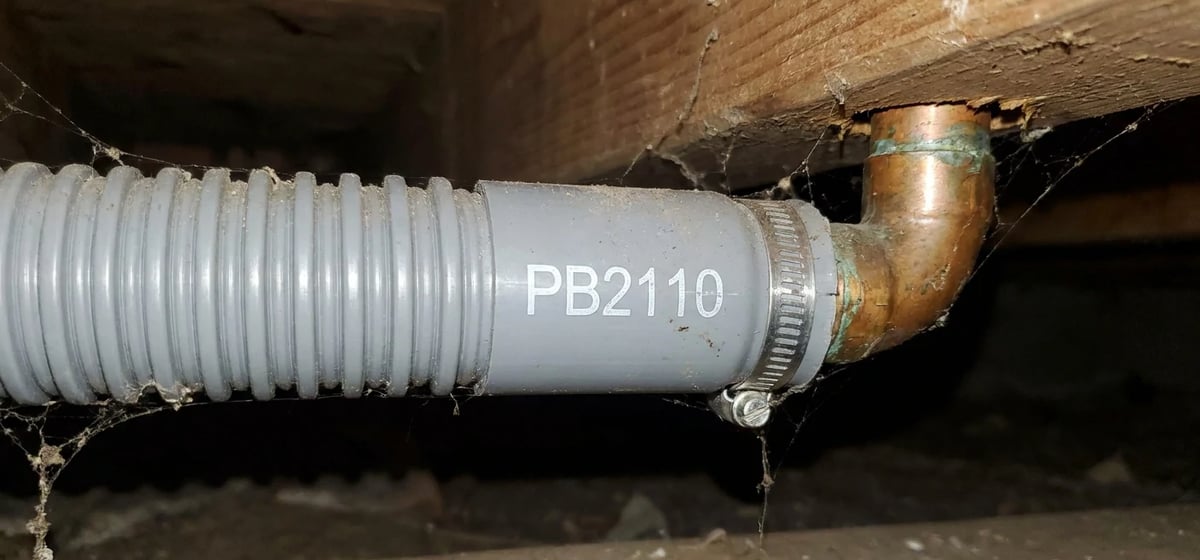
You can usually find these pipes near your water heater or under your bathroom sinks. Look closely where the water lines come out of the wall to connect to your toilets. It is most commonly a dull gray color, but you might also see blue or black versions in some regions. The pipes are typically a half inch to one inch in diameter.
The absolute easiest way to identify it is to look for printed text on the side of the plastic tube. You'll often see the letters "PB" followed by a string of numbers, like "PB2110". If you're unsure, a local pro who handles Plumbing can easily look at your setup and tell you what material you have.
Keep in mind that some homes have copper pipes near the water heater but use polybutylene everywhere else. You should check a few different spots around the house to be sure. Look in the basement, the crawlspace, and the attic if your water lines run through those areas.
What to Do If You Have It
There's no way to repair or coat polybutylene to make it safe to use. The only permanent solution is a complete home repipe. Plumbers will remove or abandon the old plastic and run brand new PEX or copper lines through your walls. This is a major project that takes a few days to finish and requires cutting into your drywall.
A full house repipe typically costs 3,000 to 8,000 dollars, though ranges vary based on your home size, location, and the number of bathrooms. You'll also need to patch and paint the drywall holes they cut, which adds to the total cost. Check out our guide on Hiring Contractors & What Things Cost to learn how to get multiple bids for a big job like this.
Buying a Home with Polybutylene
If you're touring a house built between 1978 and 1995, you should always ask your inspector to check the plumbing. Finding polybutylene doesn't mean you have to walk away from the deal. It just means you need to negotiate the cost of a repipe with the seller.
Many sellers will agree to drop the asking price or offer a credit to cover the plumbing work. You can use those funds to hire your own plumber immediately after you close. Don't wait months to do the work, because a leak could happen at any time. Address it right away so you can sleep soundly in your new home.