What a Spark Arrestor Is
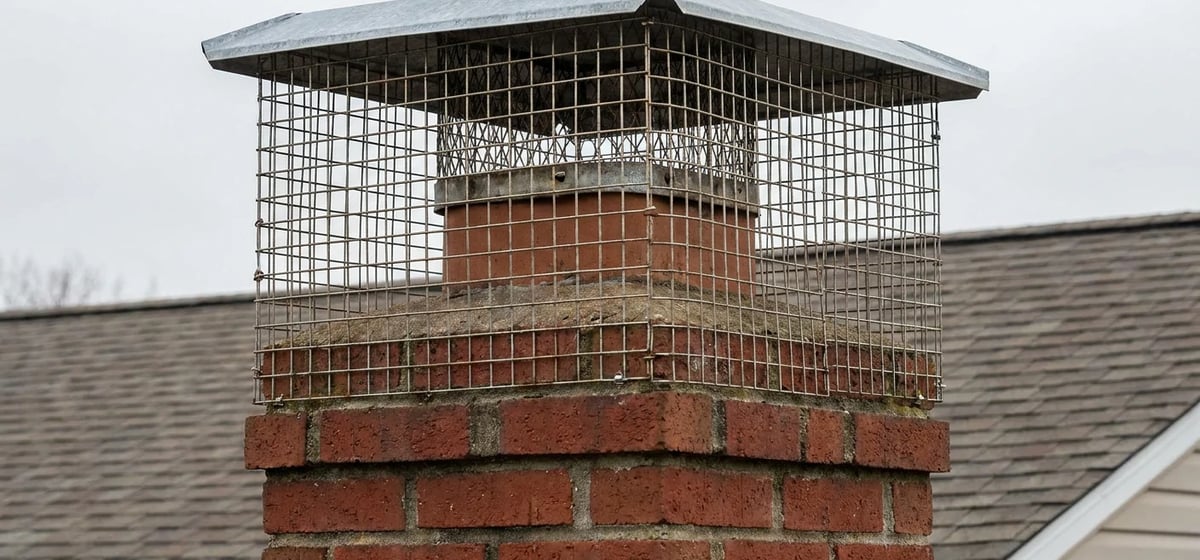
A spark arrestor is a simple metal screen. It sits at the very top of your chimney. When you build a fire in your fireplace, hot embers float up the flue. The spark arrestor catches these glowing bits of wood before they escape into the open air. This metal mesh is usually made of stainless steel, copper, or galvanized steel. It wraps around the sides of your chimney cap. You will also find smaller versions of these screens on outdoor fire pits and wood stoves. The term pairs the Old English word spearca with arrestor, which comes from the Latin word arrestare meaning to stop or catch. Builders adopted the phrase in the early twentieth century as fire codes began requiring these safety screens on residential chimneys.
Why You Need One
The main job of this screen is fire safety. Stray sparks can easily land on dry leaves, nearby trees, or your Roofing materials. If a hot ember lands in the wrong spot, it can start a house fire or a wildfire. Many local building codes legally require you to have one. But fire prevention isn't the only benefit. This screen also acts as a heavy duty barrier for your chimney. It stops birds, bats, raccoons, and squirrels from building nests inside your flue. Keeping animals out prevents nasty smells and dangerous blockages. If a nest blocks your chimney, toxic smoke and carbon monoxide can back up into your living room. You can find out more about keeping animals away in our guide to Pest Control.
What It Costs to Replace
If your screen rusts out or blows away in a storm, you'll need a new one. A basic spark arrestor costs between 30 and 100 dollars at a hardware store. However, most homeowners hire a chimney sweep or a roofer to install it safely. If you hire a pro, expect to pay 150 to 300 dollars for the parts and labor. Prices vary based on your location and how steep your roof is. Custom masonry chimneys often need a custom cap and screen. This can push the cost closer to 400 to 600 dollars. It's a smart idea to handle this repair early. A small investment now saves you from massive damage later.
Signs of Trouble
You should check your spark arrestor once a year. The best time to look is right before winter starts. You can often see the top of your chimney from your yard with a pair of binoculars. Look for holes, heavy rust, or missing panels. You also need to watch out for clogs. Over time, a sticky black substance called creosote can build up on the metal mesh. This buildup blocks the holes in the screen. When the screen gets clogged, smoke can't escape. The smoke will then push back down into your house. If you notice smoke filling your room when you light a fire, a clogged spark arrestor is a likely culprit. You might also hear scratching noises if an animal breaks through a damaged screen.
Never remove your spark arrestor to improve chimney draft. Operating a fireplace without this screen is a major fire hazard and violates most local building codes.
How to Keep It Clean
Regular cleaning keeps your fireplace working perfectly. You should hire a certified chimney sweep to inspect and clean your entire chimney system every year. The sweep will climb onto your roof and scrub the spark arrestor with a stiff wire brush. This removes the dangerous creosote buildup. If you burn unseasoned or wet wood, your screen will clog much faster. Always burn dry wood to keep the mesh clear. If you live in an area prone to wildfires, keeping this screen clean is even more critical. A dirty screen can catch fire itself and send a shower of sparks onto your property. Taking care of this small metal grate protects your family and your entire house. For more tips on managing your property during the first few months, check out Your First Month as a Homeowner.