Water Heater Replacement Cost: The True 2026 Price Guide
A leaking water heater is stressful enough without overpaying for the fix. Here is your complete 2026 guide to water heater replacement costs, tankless upgrades, and hidden fees.
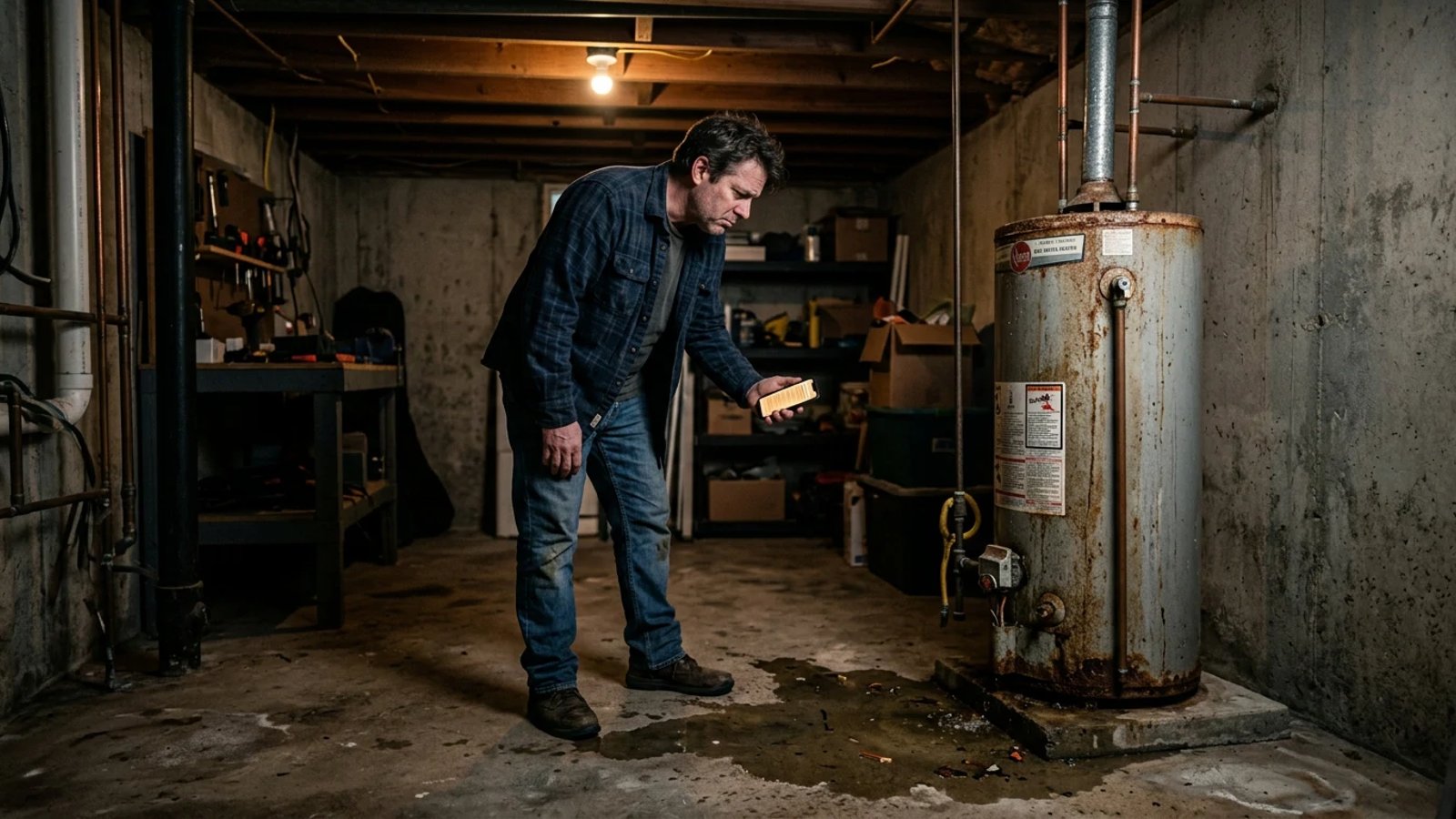
Full guide Plumbing Learn how your home plumbing works and how to stop leaks before they ruin your house.Waking up to an icy shower or finding a puddle spreading across your utility room floor is one of the most stressful parts of homeownership. When your hot water stops, the clock starts ticking. You need a fix fast, but rushing into a major plumbing repair is the easiest way to get overcharged.
Understanding the true water heater replacement cost before you call a contractor gives you the upper hand. Prices have shifted significantly in recent years, and the financial landscape for energy upgrades has changed entirely now that we are in 2026. This guide breaks down exactly what you should expect to pay for parts, labor, and hidden code upgrades so you can spot a fair quote immediately.
What Does a Standard Water Heater Replacement Cost in 2026?
For most homes, the most practical and budget-friendly option is swapping an old tank for a new tank of the same size. If you are replacing a standard 40-gallon or 50-gallon gas or electric water heater, the national average cost currently ranges from $1,200 to $2,200.
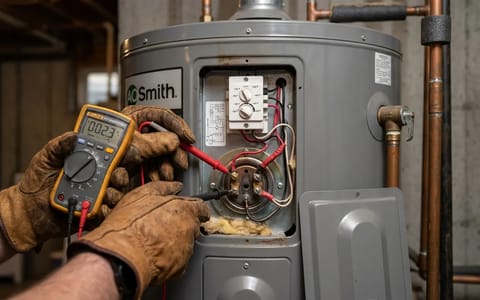
The unit itself makes up a relatively small portion of that bill. A reliable 50-gallon tank from a major brand like Rheem, Bradford White, or A.O. Smith runs between $500 and $900 at retail. The rest of your quote covers the plumber's labor, specialized tools, and minor materials like copper fittings, solder, and flexible water connectors.
Most conventional tank water heaters are built to last between 8 to 12 years. If your unit is approaching or past this age, or you're noticing rust-colored water, banging noises, or frequent leaks around the base, it's a strong signal that a replacement is imminent. Proactive replacement can save you from a catastrophic flood and the associated emergency costs, making the investment a smart move for long-term home health.
Labor rates vary heavily by region. A licensed plumber in a high cost-of-living metro area might charge $150 to $200 per hour, while rural markets often sit closer to $90 to $120. A straightforward like-for-like swap usually takes two professional plumbers about two to three hours to complete.
The True Cost of Upgrading to a Tankless System
Tankless water heaters are incredibly popular. They free up floor space, last up to 20 years, and provide endless hot water. But if you are transitioning from a standard tank to a tankless unit for the first time, prepare for sticker shock. The average cost to upgrade to a tankless system sits between $3,500 and $5,500.
The high price tag rarely comes from the heater itself, which typically costs between $1,000 and $1,500. The massive expense lies in the required infrastructure upgrades. Tankless systems heat water on demand, which requires an immense burst of fuel.
When we replaced the unit in my 1980s ranch last year, upgrading to a gas tankless system meant running a dedicated 3/4-inch gas line from the meter all the way across the basement. That single requirement added $800 to the bill. Standard tanks only require a 1/2-inch gas line, which simply cannot supply enough fuel for a tankless burner.
While tankless systems are often lauded for their energy efficiency, the actual savings can vary. They eliminate standby heat loss, meaning you're not constantly heating a tank of water. However, the initial energy burst required to heat water on demand can be substantial. Homeowners typically see the most significant savings in homes with lower hot water demand or during periods when hot water isn't frequently used, making the long-term ROI a careful calculation.
Additionally, high-efficiency tankless units require new PVC venting directly through an exterior wall, rather than using your home's existing metal chimney vent. If you opt for an electric tankless heater, you will likely need an electrician to upgrade your main breaker panel to 200 amps to handle the massive electrical draw.
Hidden Installation Costs and Code Upgrades
A trustworthy plumber will give you an all-inclusive quote, but many low-bid contractors leave out mandatory extras to make their price look unbeatable. When reviewing a water heater replacement cost estimate, look closely for these common line items.
First, check for an expansion tank. According to the International Residential Code (IRC), any home with a closed water supply system must have a thermal expansion tank installed. When water heats up, it expands. If your city water meter has a check valve (which most now do), that expanding water has nowhere to go and will eventually damage your pipes or blow the pressure relief valve. Adding an expansion tank usually costs an extra $150 to $300.
Beyond protecting your plumbing system from excessive pressure, an expansion tank also helps prolong the life of your water heater itself by reducing strain on internal components. Also, another often-overlooked code requirement is a new shutoff valve. While seemingly minor, a functional shutoff valve is critical for isolating the water heater during maintenance or in case of an emergency, preventing potential water damage to your home. Ensure your quote includes these essential safety and longevity components.
Next, look for disposal and permit fees. Getting rid of a 150-pound rusted steel tank full of sediment is difficult. Haul-away fees typically range from $50 to $150. In addition, most municipalities require a plumbing permit to replace a water heater, which ensures the gas and venting are inspected for safety. Permits generally cost between $50 and $200 depending on your local government.
Navigating Rebates After the Federal Tax Credit Expiration
If you have been researching energy-efficient water heaters, you have likely read about the massive federal tax credits available for heat pump and solar water heaters. Here is the crucial 2026 update: The federal Energy Efficient Home Improvement Credit (Section 25C), which provided up to $2,000 for heat pump water heaters, officially ended on December 31, 2025.
Many older blog posts and contractor websites have not updated their marketing materials, leading homeowners to expect a tax refund that no longer exists. However, this does not mean you are out of luck for financial incentives.
Instead of federal credits, you must now look to state-level energy offices and local utility providers. Many electrical cooperatives and city utility boards actively offer instant point-of-sale rebates ranging from $300 to $1,000 if you switch from a standard electric tank to a high-efficiency heat pump model. Always check the Energy Star Rebate Finder or your specific utility's website before signing a contract.
When researching rebates, be sure to confirm eligibility requirements, as some programs are income-based or specific to certain energy consumption tiers. Often, you'll need to provide proof of purchase, installation date, and the Energy Star rating of your new appliance. Some states and utilities even offer programs that can be combined, potentially stacking incentives for even greater savings. A quick call to your local utility company is often the fastest way to uncover all available opportunities.
How to Vet a Plumbing Quote?
When you are without hot water, it is tempting to hire the first company that answers the phone. Take a deep breath, get at least two quotes, and use this process to ensure you are getting a fair deal.
- Verify the exact model number. Ensure they are quoting a reputable brand with at least a 6-year tank warranty, not a builder-grade unit.
- Ask if the price is flat-rate. Flat-rate pricing protects you if the job takes the plumber three hours longer than expected.
- Check for code compliance items. Look specifically for the expansion tank, a new drip pan, and a new gas shutoff valve in the itemized list, ensuring the expansion tank is correctly sized, typically 2-5 gallons.
- Confirm the haul-away. Explicitly ask if the old unit's disposal is included in the final price so it does not end up sitting on your lawn.
Replacing a water heater is a significant investment, but it is also one of the most vital appliances in your home. By understanding the baseline costs, recognizing the hidden fees of going tankless, and knowing where to look for current local rebates, you can confidently hire a pro and get your home running smoothly again.
- Check your quote to ensure it includes the cost of a thermal expansion tank, which is required by code in most modern closed-loop plumbing systems.
- Do not assume a tankless water heater is a simple swap; factor in the cost of upgrading your gas lines from 1/2-inch to 3/4-inch.
- Since federal tax credits expired in 2025, search your local utility provider's website for active 2026 equipment rebates before buying.
- Ask your plumber if their estimate is a flat rate or an hourly estimate, and confirm that old unit disposal is included.