What It Is
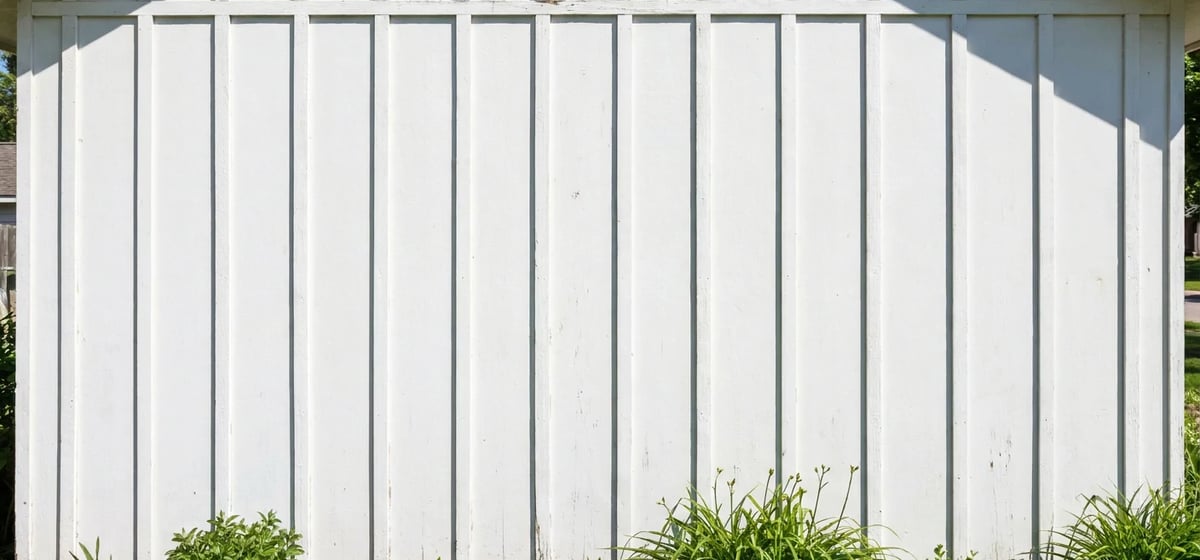
Board and batten is a popular style of exterior wall covering. It uses wide vertical boards placed right next to each other. Builders then nail narrow vertical strips over the seams between the wide boards. These narrow strips are called battens.
The main job of the batten is to keep wind and water out of the house. The word batten comes from the French word "baston" which means a stick or piece of wood. Builders originally created this technique in the 1800s to make drafty barns more weather resistant.
Today, this look isn't just for old barns. You'll often see this pattern on modern farmhouse designs. The vertical lines draw the eye upward and make a house look taller. You can learn more about different siding styles in our Exterior: Siding, Garage & Decks guide.
It doesn't just belong outside, either. Many homeowners also use this style inside the house. You might see a board and batten accent wall in a dining room or a long hallway. It adds a lot of texture and character to plain drywall.
Common Materials
You can find board and batten siding in a few different materials. The material you choose changes how much you pay and how much work you'll have to do later. Wood is the classic choice. It looks beautiful but requires regular painting and caulking to stop rot.
Vinyl is a cheaper option that looks like wood from a distance. It's very easy to clean and never needs paint. However, vinyl can crack in extreme cold or melt if a hot grill is too close to the house.
Fiber cement is a tough material made of sand, cement, and wood fibers. It costs more upfront but lasts a very long time. It resists fire, bugs, and rot much better than natural wood.
Engineered wood is another popular choice. It looks like real wood but comes treated with special chemicals to resist water and bugs. It's lighter than fiber cement and easier for contractors to install.
What It Costs
Installing new exterior siding is a major project. If you hire a professional, expect to pay between 4 and 12 dollars per square foot. These ranges vary widely based on where you live and the material you pick. Wood usually sits right in the middle of that price range.
Vinyl is generally the cheapest option to install. Fiber cement usually sits at the higher end of the price range because it's heavy and hard to cut. You can read more about labor costs in our Hiring Contractors & What Things Cost guide.
If you plan to add insulation under your new siding to save energy, do your research first. The federal home energy tax credits ended completely on December 31, 2025. You can't claim these credits for work done in 2026 or later. Instead, call your local utility company or state energy office to ask about local rebates.
What to Watch For
Moisture is the biggest enemy of this siding style. The design creates many seams and edges. If the caulking fails, water easily gets behind the narrow strips. This trapped water can rot the wood or damage the walls underneath.
You should inspect your siding every fall before winter weather arrives. Walk around your house and look for peeling paint, loose strips, or soft spots in the wood. Pay special attention to the sunny side of your house, as the hot sun dries out caulk faster.
Fix small problems quickly. A 10 dollar tube of exterior caulk can save you thousands of dollars in water damage repairs. If you find large areas of soft, crumbly wood, you'll need to replace those boards right away.
Woodpeckers and insects can also cause problems for natural wood siding. Look for small holes or sawdust near the base of your walls. If you see signs of bugs, call a professional immediately to prevent more damage.