What Is Engineered Wood Siding
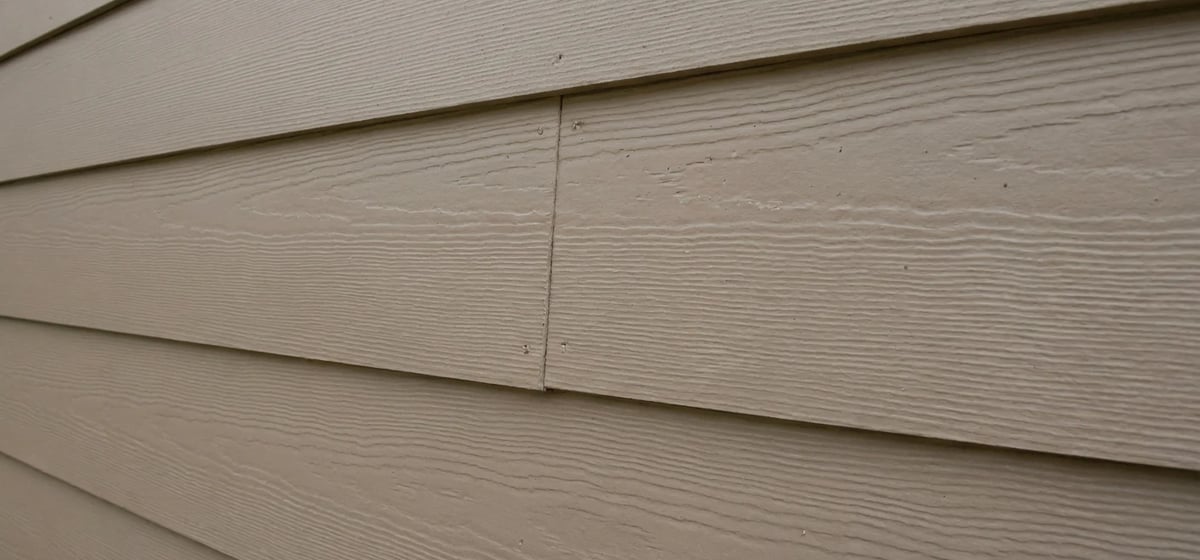
Engineered wood siding covers the outside of your house. It is made from wood strands and fibers mixed with strong resins and waxes. This mix gets pressed into boards under high heat. The result looks exactly like real wood planks but acts much tougher. Manufacturers coat these boards with a special primer at the factory so they are ready to paint.
Solid wood looks great but rots easily. Engineered wood gives you that same classic look without the constant worry. It resists moisture, termites, and fungal decay much better than natural wood. You get the beauty of a traditional home without the endless upkeep. It is a very popular choice for modern house construction.
Why It Matters to Your Budget
You want a home that looks good and protects your family without draining your bank account. Engineered wood costs less than solid wood or fiber cement. Materials and labor usually run 4 to 10 dollars per square foot. Total costs vary based on where you live and the specific style you choose.
This siding also holds paint incredibly well. You will not have to repaint as often as you would with traditional wood. The factory primer creates a smooth, durable surface. This saves you significant time and money over the years. It is also lighter and easier for builders to cut, which keeps labor costs down.
When you are looking at your Exterior: Siding, Garage & Decks, this material is a smart upgrade. It boosts your curb appeal instantly. It also helps protect your home from harsh winds and heavy rain.
How It Compares to Other Options
You might wonder how this compares to vinyl or fiber cement. Vinyl siding is the cheapest option, but it can crack in cold weather and melt near high heat. Engineered wood looks much more authentic and feels solid to the touch. It gives your home a higher-end appearance than plastic vinyl.
Fiber cement is another tough option that resists fire and pests. However, fiber cement is very heavy and costs more to install. It also creates harmful dust when contractors cut it. Engineered wood cuts just like regular lumber and uses standard woodworking tools. This makes it a favorite among builders and remodelers.
What to Watch Out For During Installation
Even though it resists water, engineered wood is not completely waterproof. Water can sneak in if the ends of the boards are not sealed properly during installation. Every cut edge must be painted or primed. If contractors skip this step, the edges will eventually swell and rot.
You need a good contractor who follows the manufacturer instructions exactly. If they use the wrong nails or forget the flashing, your factory warranty might be voided. Always check out our guide on Hiring Contractors & What Things Cost to find someone reliable. Good installation is the key to a long life for your siding.
Maintenance Tips for Homeowners
Taking care of this siding is fairly simple. Wash your siding once a year to remove dirt and mildew. Use a regular garden hose and a soft brush with mild soap. Do not use a high-pressure power washer. The heavy spray can force water behind the boards and cause hidden damage to your walls.
Walk around your house every spring to inspect the paint. Look for peeling paint or cracked caulking around windows and doors. Fix these small issues right away to keep water out of the walls. If you need help with sealing around openings, check the Windows & Doors guide. A little caulking goes a long way in protecting your home.