Furnace Making Loud Noise? How to Find the Cause Fast
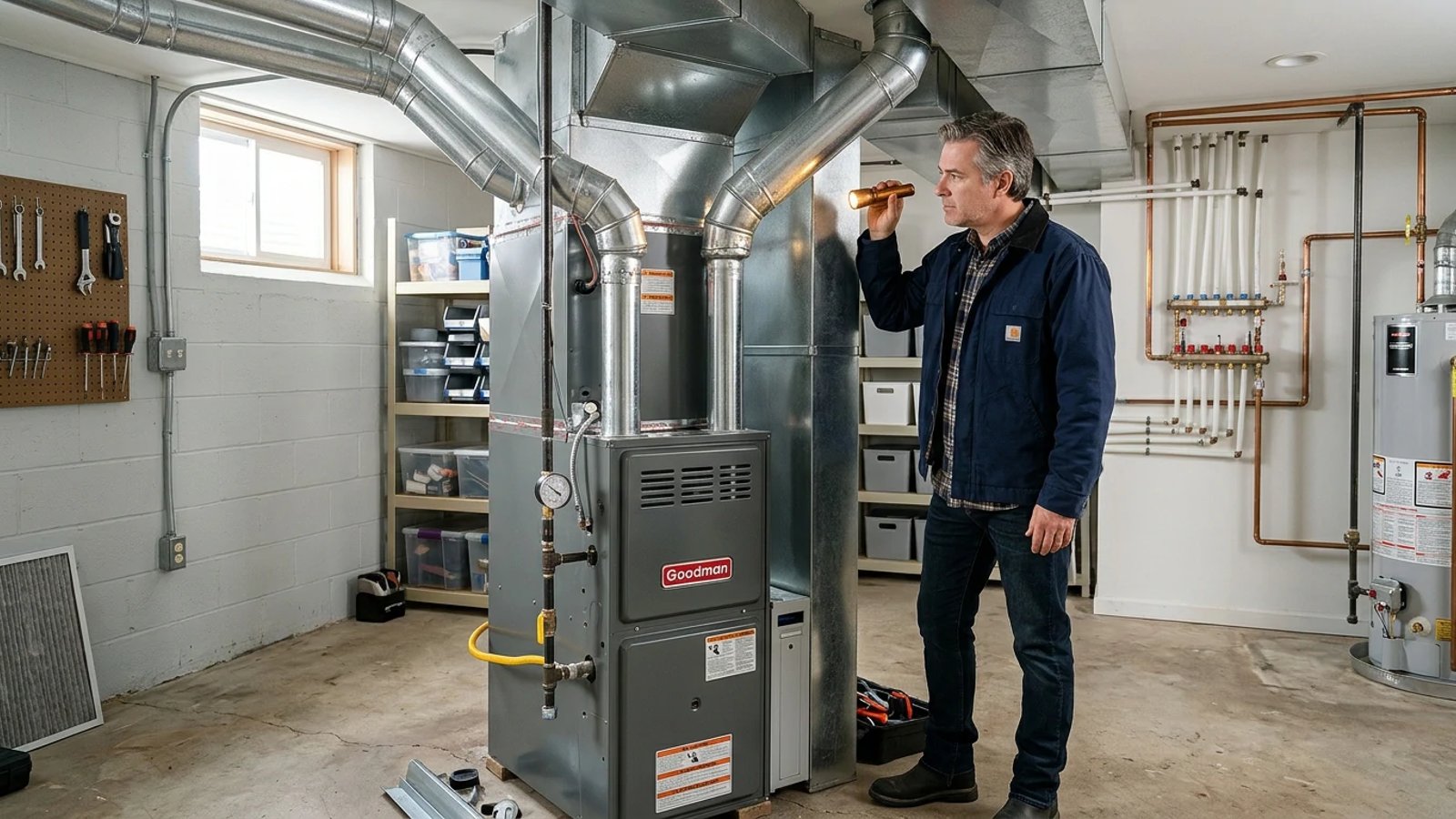
A loud furnace can be alarming. Learn how to identify common banging, squealing, and rattling sounds, what you can fix yourself, and when to call a professional.
Full guide HVAC & Climate Control How your home heats, cools, and moves air, and the decisions that matter.You just turned up the thermostat on a chilly evening, expecting quiet warmth, but instead, your furnace is making an alarming sound. A sudden racket from the basement or utility closet is unsettling, especially when you start worrying about safety hazards, sudden breakdowns, and expensive repair bills. If you find your furnace making loud noise, identifying the specific sound is the first step to knowing exactly what to do next.
Heating systems communicate their problems through sound. A squeal means something entirely different than a boom, and a rattle requires a different fix than a scrape. By listening closely and doing some basic visual inspections, you can often pinpoint the issue and determine if it requires a simple five-minute adjustment or an emergency service call.
Furnace Making Loud Noise: Diagnosing Banging Sounds
A loud bang or boom coming from your heating system is one of the most frightening sounds a homeowner can hear. When you hear this noise, it usually comes down to one of two causes: harmless expanding metal or a highly dangerous combustion issue.
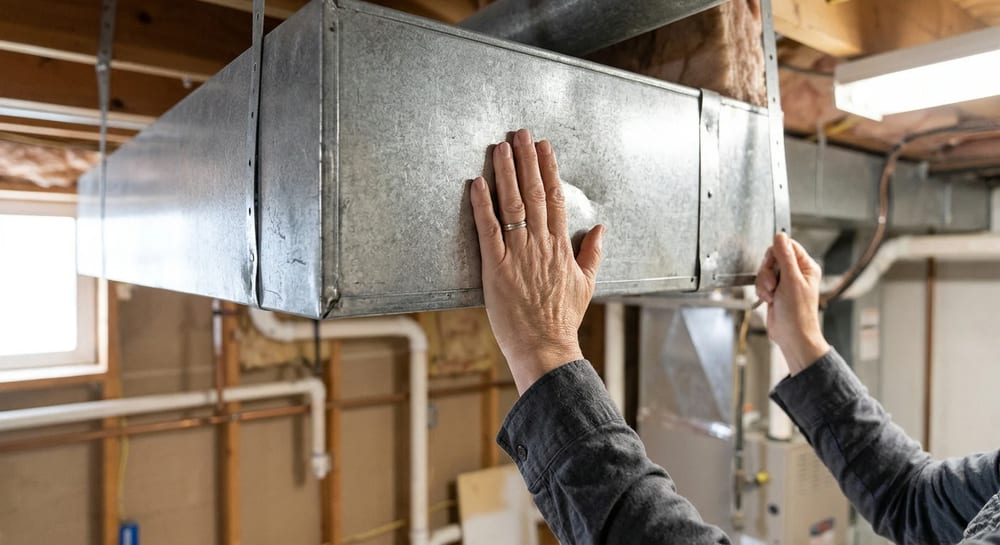
The harmless version is known as "oil canning." Your ductwork is made of thin sheet metal, usually 24- or 26-gauge galvanized steel. When the blower motor kicks on, the sudden change in air pressure can cause the metal trunks to flex inward or outward, creating a loud pop or bang, much like pressing the bottom of an empty oil can. When the blower turns off, the pressure drops, and the metal pops back into place with another bang.
To test for oil canning, walk along your exposed ductwork while the furnace is running. Press your hand firmly against the flat sides of the large metal trunks. If the popping stops while you hold the metal steady, you have found the culprit. You can fix this by having an HVAC technician install cross-breaks (diagonal creases) in the metal or by screwing a rigid piece of angle iron across the flexing section to stiffen it, often using 1-inch sheet metal screws.
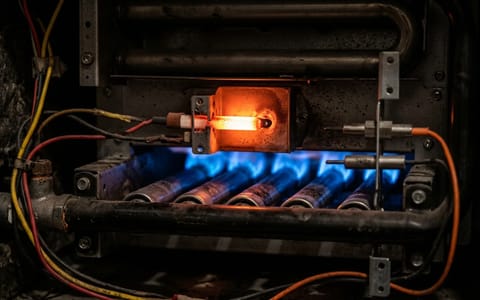
The dangerous version of a banging noise is called delayed ignition. This happens inside the furnace cabinet rather than in the ductwork. When the thermostat calls for heat, the gas valve opens, but the igniter fails to spark immediately. Gas pools inside the combustion chamber. When the igniter finally sparks a few seconds later, it ignites a large pocket of built-up gas all at once, resulting in a small explosion.
Last winter, I noticed a terrifying boom coming from my own basement every time the heat kicked on. The floorboards actually vibrated. It turned out to be delayed ignition caused by dirty burners. I immediately shut off the system at the service switch and called a technician. Left unchecked, those repeated mini-explosions can crack the heat exchanger, which risks sending deadly carbon monoxide into the home. If your furnace bangs precisely when the burners ignite, turn the unit off and call a pro.
Diagnosing High-Pitched Squeals and Screeches
If your furnace sounds like a car with a bad fan belt, you are likely dealing with a mechanical friction issue. High-pitched squealing or screeching almost always originates in the blower motor compartment, which is responsible for pushing the heated air through your home.
In older furnaces, the blower motor is connected to the fan wheel via a rubber V-belt, similar to the serpentine belt in a vehicle. Over years of use, these belts dry out, crack, and lose their tension. When the belt slips on the metal pulleys, it creates a loud, continuous shriek. Fortunately, inspecting the belt is a straightforward process.
- Turn off the power. Flip the furnace service switch to the "off" position and turn off the dedicated breaker at your electrical panel.
- Remove the blower access panel. This is usually the bottom door on the front of the furnace.
- Inspect the rubber belt. Look for fraying, cracks, or a shiny, glazed appearance on the edges.
- Check the tension. Press down on the center of the belt with your finger. It should only deflect about half an inch. If it sags significantly, it needs to be tightened or replaced.
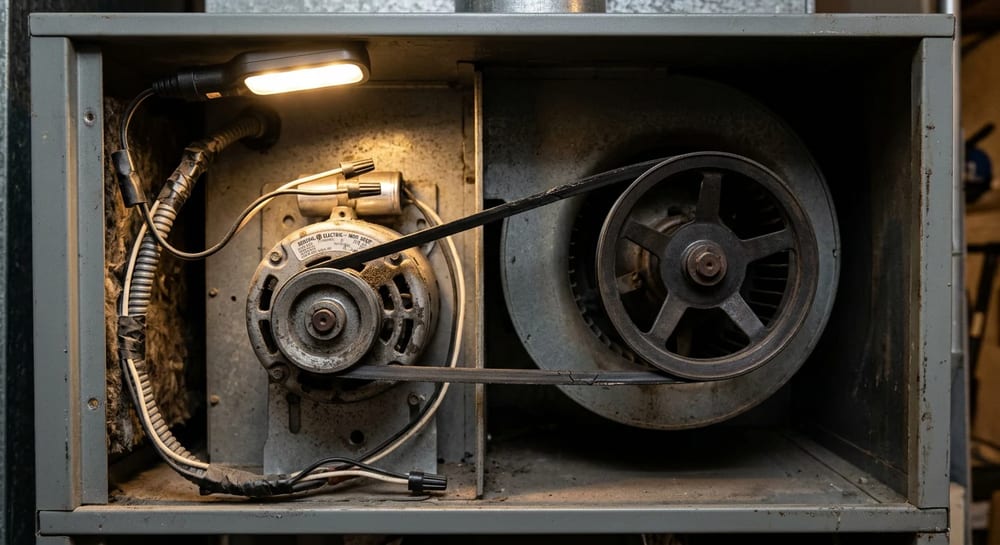
If you have a newer furnace, it likely uses a direct-drive motor, meaning there is no belt. In this case, a high-pitched squeal usually points to dry or failing motor bearings. While some older motors have small oil ports where you can add a few drops of non-detergent motor oil, most modern blower motors are permanently lubricated and sealed. If the bearings are failing and screaming, the motor will eventually seize and require replacement.
Furnace Making Loud Noise: Fixing Rattling Sounds Safely
Rattling is the most common furnace noise, and thankfully, it is usually the easiest and cheapest to fix. A rattle simply means that something metal is vibrating against something else. The vibration from the blower motor can loosen screws and fasteners over a long heating season.
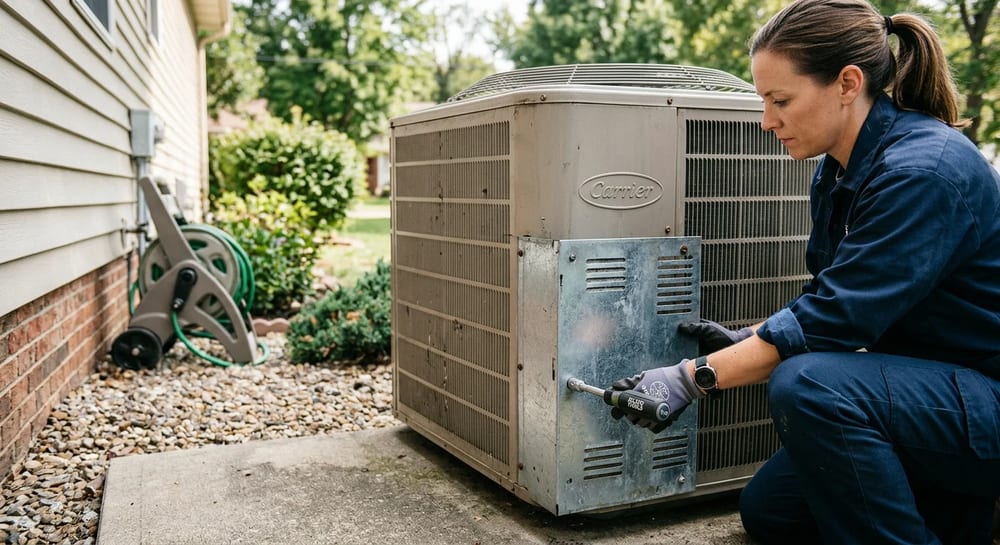
The first place to check is the exterior of the furnace cabinet. The access panels that cover the blower and the burner compartments are secured with hex-head screws or simple latches. Grab a 5/16-inch nut driver or a Phillips screwdriver and gently tighten every visible screw on the outside of the unit. Do not over-tighten, as you can easily strip the thin sheet metal threads.
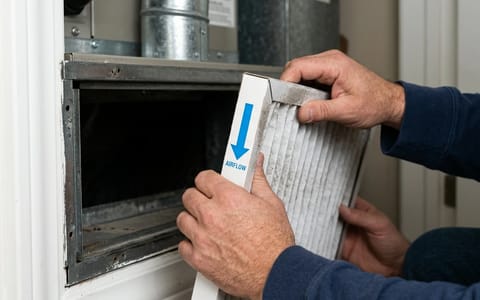
Next, check your air filter. If you recently replaced your filter and the rattling started shortly after, you may have installed the wrong size. A standard 16x25x1-inch filter from one brand might be slightly smaller than the same nominal size from another brand. If the filter fits too loosely in the track, the suction from the blower will cause it to flap and rattle against the metal housing. A few years ago, I tested a cheap unbranded air filter that ended up whistling and rattling so loudly I thought the smoke alarms were going off. Simply swapping it for a snug-fitting, high-quality filter fixed the pressure drop and the noise instantly.
The vibration from the blower motor can loosen screws and fasteners over a long heating season, making rattling the easiest noise to fix yourself.
If the exterior panels are tight and the filter is secure, the rattle might be coming from inside the blower compartment. Turn off the power, remove the panel, and look at the blower wheel (often called a squirrel cage). Sometimes, a loose screw, a small toy, or even a piece of debris gets sucked into the return duct and falls into the blower wheel, rattling around like a pebble in a dryer. Carefully remove any visible debris.
What About Scraping or Whistling Noises?
Not all noises fit neatly into the banging, squealing, or rattling categories. A harsh metal-on-metal scraping sound is a major red flag. This usually means the blower wheel has come loose from the motor shaft or the motor mounts have broken, causing the wheel to grind against the metal housing. If you hear scraping, turn off the furnace immediately. Allowing it to run will shred the blower wheel and destroy the housing, turning a moderate repair into a massive expense.
Whistling, on the other hand, is an airflow problem. When a furnace is starved for air, it pulls harder through any available gap, creating a high-pitched whistle. The most common culprit is a severely clogged air filter. Pull your filter out and hold it up to a light. If you cannot see light shining through the media, it is time for a replacement. Whistling can also occur if too many supply vents are closed around the house. Ensure that at least 80 percent of your home's vents are fully open to maintain proper static pressure in the ductwork.
When Should You Stop DIY Troubleshooting and Call a Pro?
While tightening a loose panel or swapping out a noisy air filter are great weekend DIY tasks, a furnace is a complex piece of equipment that handles combustible gas, high voltage, and exhaust fumes. Knowing your limits is crucial for your safety and the longevity of your system.
Here is a clear checklist of when to stop troubleshooting and pick up the phone:
- You smell gas, exhaust, or burning plastic at any time.
- The banging noise happens exactly when the burners ignite (delayed ignition).
- You hear a harsh metal-on-metal scraping sound that indicates broken motor mounts.
- The furnace rumbles deeply, vibrating the floor, which can indicate a cracked heat exchanger or a severe burner issue.
- You have tightened all exterior panels, checked the filter, and the rattling persists from deep inside the sealed combustion chamber.
A furnace making a loud noise is stressful, but methodical troubleshooting takes the panic out of the situation. By ruling out the simple fixes first—like a loose door or a clogged filter—you can save yourself a costly service fee. And if the noise does point to a serious mechanical issue, you will be able to describe the exact symptoms to your HVAC technician, helping them diagnose and repair your system faster.
- Evacuate immediately and call 911 or your utility company if you smell rotten eggs or sulfur near your furnace.
- Use a 5/16-inch nut driver to tighten loose exterior panels, which is the most common cause of a rattling furnace.
- Press on your sheet metal ducts while the fan runs to find the source of 'oil canning' pops and bangs.
- Replace your air filter if you hear a high-pitched whistle, as restricted airflow forces the blower motor to work harder.
- Call a licensed HVAC technician if you suspect delayed ignition, which sounds like a shotgun blast when the heat kicks on.