How to Remove Musty Odors (And Stop the Moldy Smell)
Stop masking damp, earthy smells with air fresheners. Learn how to track down hidden moisture, neutralize moldy odors, and get your home smelling fresh again.
Full guide Environmental Hazards Learn how to test for and fix radon, asbestos, lead, mold, and carbon monoxide in your home.Walking into your house and getting hit with a damp, earthy scent is unsettling. It immediately makes you wonder if water is hiding somewhere it shouldn't be. Left unchecked, trapped moisture damages drywall, ruins structural wood, and degrades your indoor air quality. If you want to know how to remove musty odors, you have to stop trying to mask them with scented candles or aerosol sprays. You need to find the water source and eliminate it entirely.
What Does Mold Smell Like in a House?
Before you start tearing open walls, it helps to confirm exactly what you are smelling. Homeowners often confuse stale air with actual mold growth. Stale air just smells stuffy and clears out quickly when you open a few windows. A true mold or mildew issue has a distinct, heavy scent that lingers. Even a small patch of mold, say 1-2 square feet, can produce a noticeable musty odor.
Most people describe the smell of mold as damp, earthy, and sour. It smells like rotting wood, wet cardboard, or damp socks left in a gym bag. If a room in your house smells remarkably like a wet forest floor after a heavy rain, you are likely dealing with active mold growth.
A musty odor isn't just a nuisance; it's a chemical byproduct of active mold growth called microbial volatile organic compounds (mVOCs).
These mVOCs are released as mold feeds on organic materials like drywall paper, wood framing, or dust. Smelling them means the mold is actively consuming a part of your house, which is why ignoring the odor is never a good idea.
Beyond the unpleasant odor, exposure to mold and its mVOCs can have real health consequences. For many, it triggers allergic reactions like sneezing, runny nose, red eyes, and skin rash. Individuals with asthma or other respiratory conditions may experience more severe symptoms, including shortness of breath and wheezing. Prolonged exposure can even lead to chronic health issues. This is why addressing the root cause of mold isn't just about improving your home's smell; it's crucial for maintaining a healthy indoor environment for everyone living there.
Where Is That Moldy Smell From?
Finding the source of a musty smell requires a bit of detective work. Mold needs three things to grow: oxygen, food (like wood or drywall), and moisture. Since oxygen and food are everywhere in a house, moisture is the variable you need to track down.
Start by checking the usual suspects. Look under bathroom and kitchen sinks for slow drips from P-traps or supply lines. Check the caulking around your bathtub or shower pan. Go down to the basement and inspect the concrete block walls for dark, damp patches. Don't forget to check the rubber gasket on your front-load washing machine, which is notorious for trapping stagnant water.
A few years ago, I spent weeks trying to track down a sour, earthy smell in my kitchen. I finally pulled the dishwasher out and found a loose hot water supply line slowly dripping onto the subfloor. It only took a $5 wrench tightening to fix the leak, but the damp wood had already started to smell awful. Finding the leak is always half the battle.
Don't limit your search to just the obvious wet spots. Sometimes, the source is more insidious. Check your attic for signs of roof leaks or inadequate ventilation that allows moisture to condense. Crawl spaces are another common culprit, especially if they lack proper vapor barriers or ventilation. Even a slow drip behind your refrigerator's ice maker line or an overflowing condensate pan from your HVAC unit can create a hidden mold haven. Consider areas where pipes run inside walls; a pinhole leak might be silently saturating drywall for months before the smell becomes noticeable.
How to Remove Musty Odors Permanently?
Once you locate the damp area, you can get to work neutralizing the smell. Spraying air freshener will only cover up the mVOCs for a few hours. To get rid of the odor for good, you need to follow a strict process of drying and cleaning.
- Stop the water source. Fix the leaking pipe, re-caulk the window, or adjust the grading outside your foundation so water flows away from the house.
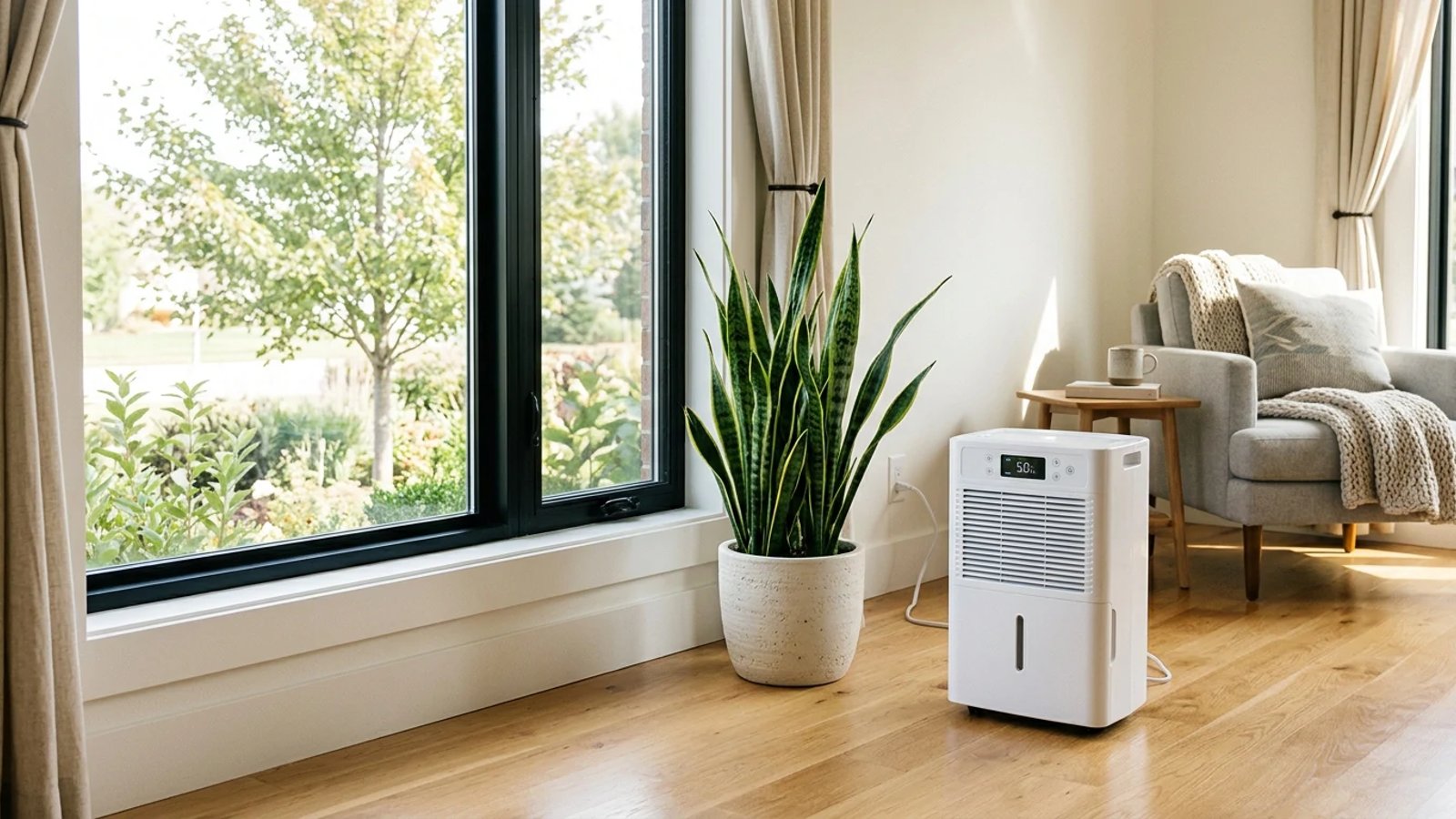
- Dry the area completely. Set up box fans and run a dehumidifier in the room. Aim to drop the relative humidity in that specific space below 50%. Keep the fans running for at least 24 to 48 hours.
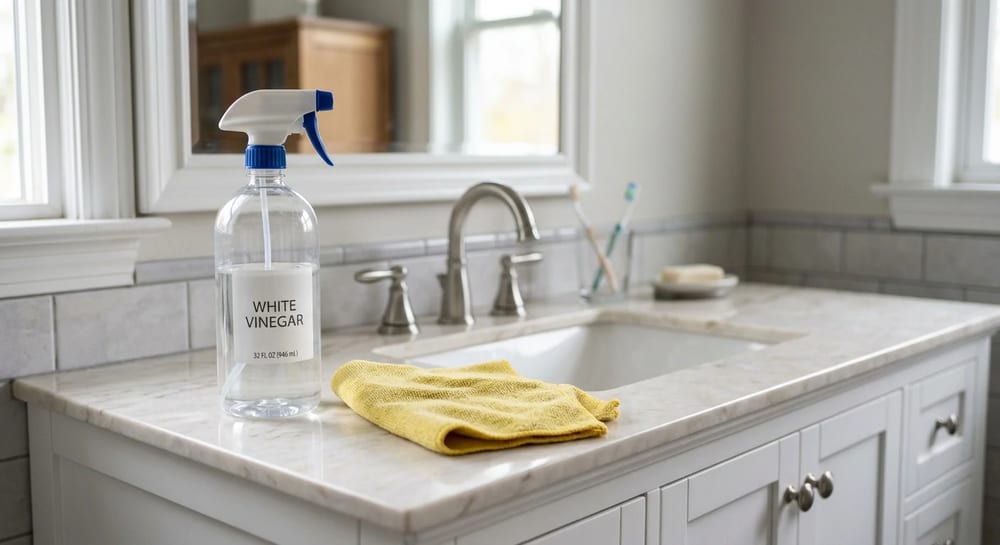
- Clean the surface with white vinegar. Pour undiluted white vinegar into a spray bottle and saturate the affected area. Vinegar safely penetrates porous materials like wood to kill mold roots, whereas bleach only treats the surface.
- Let the vinegar sit. Allow the vinegar to sit on the surface for one hour to fully break down the mold structure, then wipe it clean with a damp microfiber cloth.
- Run a HEPA air purifier. Turn on an air purifier with a true HEPA filter in the room to capture any airborne mold spores and lingering odor particles.
If you are dealing with a damp carpet or a musty couch, you can lightly sprinkle baking soda over the fabric after it is completely dry. Let the baking soda sit overnight to absorb residual odors, then vacuum it up the next morning.
When tackling small mold patches yourself, always prioritize safety. Wear protective gear, including rubber gloves, eye protection, and an N-95 respirator mask, to prevent inhaling mold spores. Ensure the area is well-ventilated by opening windows and using fans, but direct airflow *out* of the room to avoid spreading spores to other parts of the house. Dispose of moldy materials and cleaning cloths in sealed plastic bags immediately after cleanup. Taking these precautions protects your health and helps contain the problem.
When Should You Call a Professional for a Musty Smell?
While a dripping sink pipe or a damp bathroom rug is an easy DIY fix, some musty odors point to larger structural issues. Knowing when to hand the job over to a professional can save you from a major headache and protect your health.
Size matters for mold cleanup. According to the EPA guidelines on mold cleanup, if the moldy area covers more than 10 square feet (roughly a 3-foot by 3-foot patch), you should hire a professional contractor rather than tackling it yourself. Large outbreaks often require negative air pressure containment and specialized protective gear to prevent spores from spreading to the rest of the house.
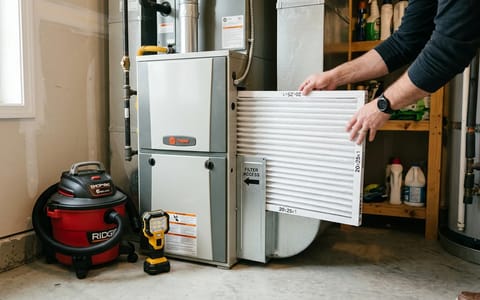
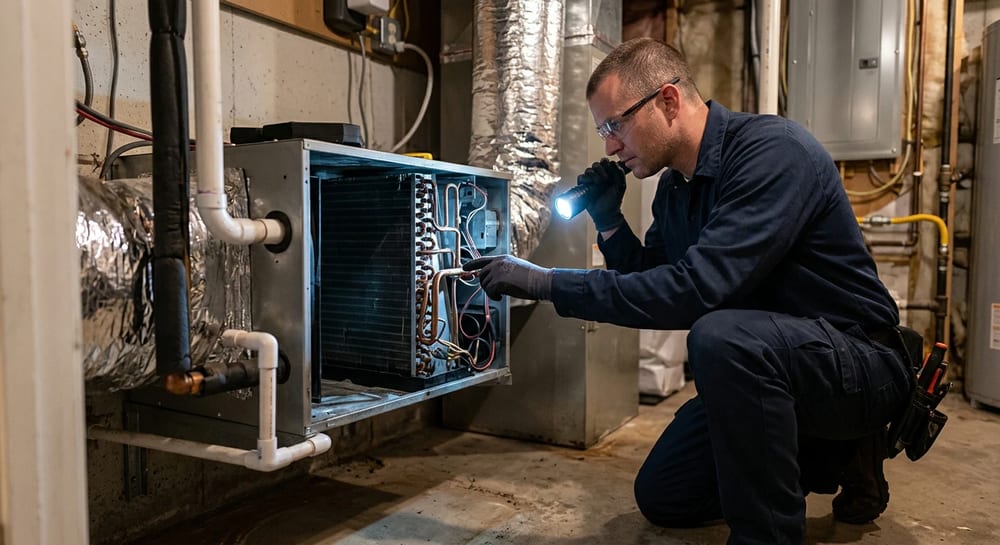
Additionally, pay attention to when the smell occurs. If the musty odor blasts through the house only when the air conditioning kicks on, the problem is likely inside your ductwork or air handler. Dark, damp evaporator coils are a perfect breeding ground for mold. In this case, you will need to hire a licensed HVAC technician to clean the coils and clear the condensate drain line.
Keeping the Moldy Smell Away for Good
Preventing mold often starts outside your home. Regularly inspect your gutters and downspouts to ensure they are clear of debris and directing rainwater at least five feet away from your foundation. Improper grading around your house can cause water to pool against the exterior walls, seeping into the basement or crawl space. Consider adding French drains or regrading sloped areas to divert water. Also, check the seals around windows and doors; worn weatherstripping or cracked caulk can allow moisture infiltration, creating damp conditions inside your wall cavities.
Once your house smells fresh again, your goal is to keep it that way through basic moisture control. The easiest way to prevent mold is to monitor your indoor humidity. Buy a cheap digital hygrometer and aim to keep your home's humidity between 30% and 50% year-round. If your basement naturally hovers around 60% or higher, invest in a high-capacity standalone dehumidifier with a continuous drain hose.
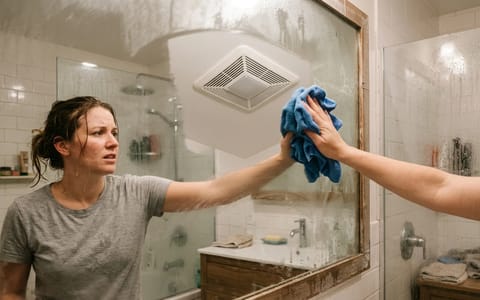
Ventilation is also critical. Steam from hot showers and boiling pasta water adds massive amounts of moisture to the air. Always run your bathroom exhaust fan for at least 30 minutes after taking a shower, and use your kitchen range hood whenever you cook.
Finding and fixing a musty smell takes a bit of effort, but it is entirely manageable. Track down the hidden moisture, dry the space out completely, and neutralize the area with vinegar. Your house will smell clean again, and you will have the confidence of knowing the structure is safe and dry.
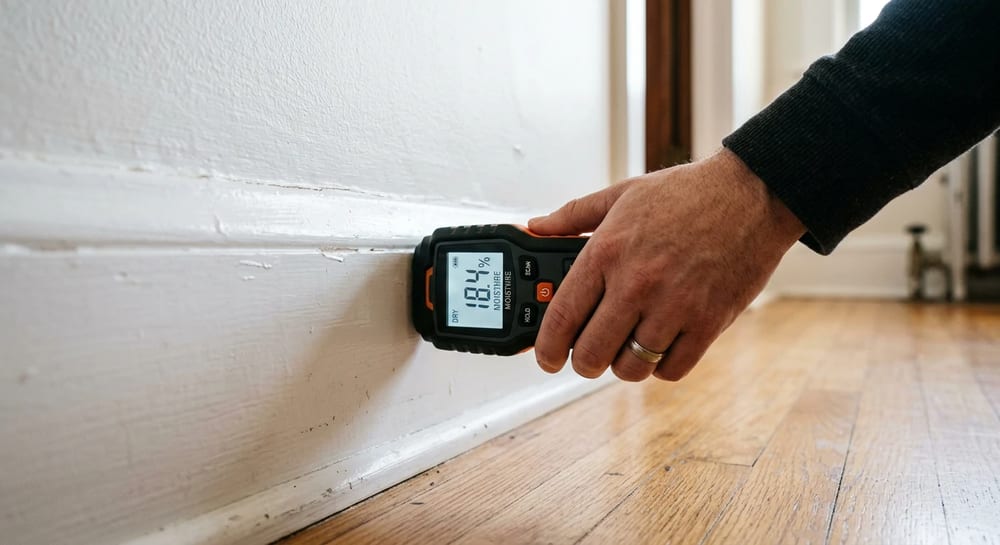
- Invest in a cheap pinless moisture meter to find hidden damp spots behind walls without causing damage.
- Keep indoor humidity between 30% and 50% to prevent mold spores from taking root.
- Run bathroom exhaust fans for at least 30 minutes after showering to clear trapped steam.