Your Essential Fall Home Maintenance Checklist Before Winter
Prepare your house for colder weather with this actionable fall home maintenance checklist. Learn how to prevent frozen pipes, seal drafts, and prep your heating system.
August heat might still be hanging around, but those first crisp mornings are just weeks away. If you own a house, that shift in the weather means it is time to get ahead of winter prep. Waiting until the first hard freeze to realize your furnace is acting up or your garden hose is still attached is a recipe for a massive, stressful repair bill.
Searching for a fall home maintenance checklist usually turns up a scattered list of chores. I put together this guide to tackle the heavy hitters—the specific tasks that actually protect your biggest investment, keep your family safe, and keep your heating bills in check. By breaking the work down into zones, you can easily knock out these jobs over a few weekends.
Exterior and Roof: Fall Home Maintenance for Sealing the Envelope
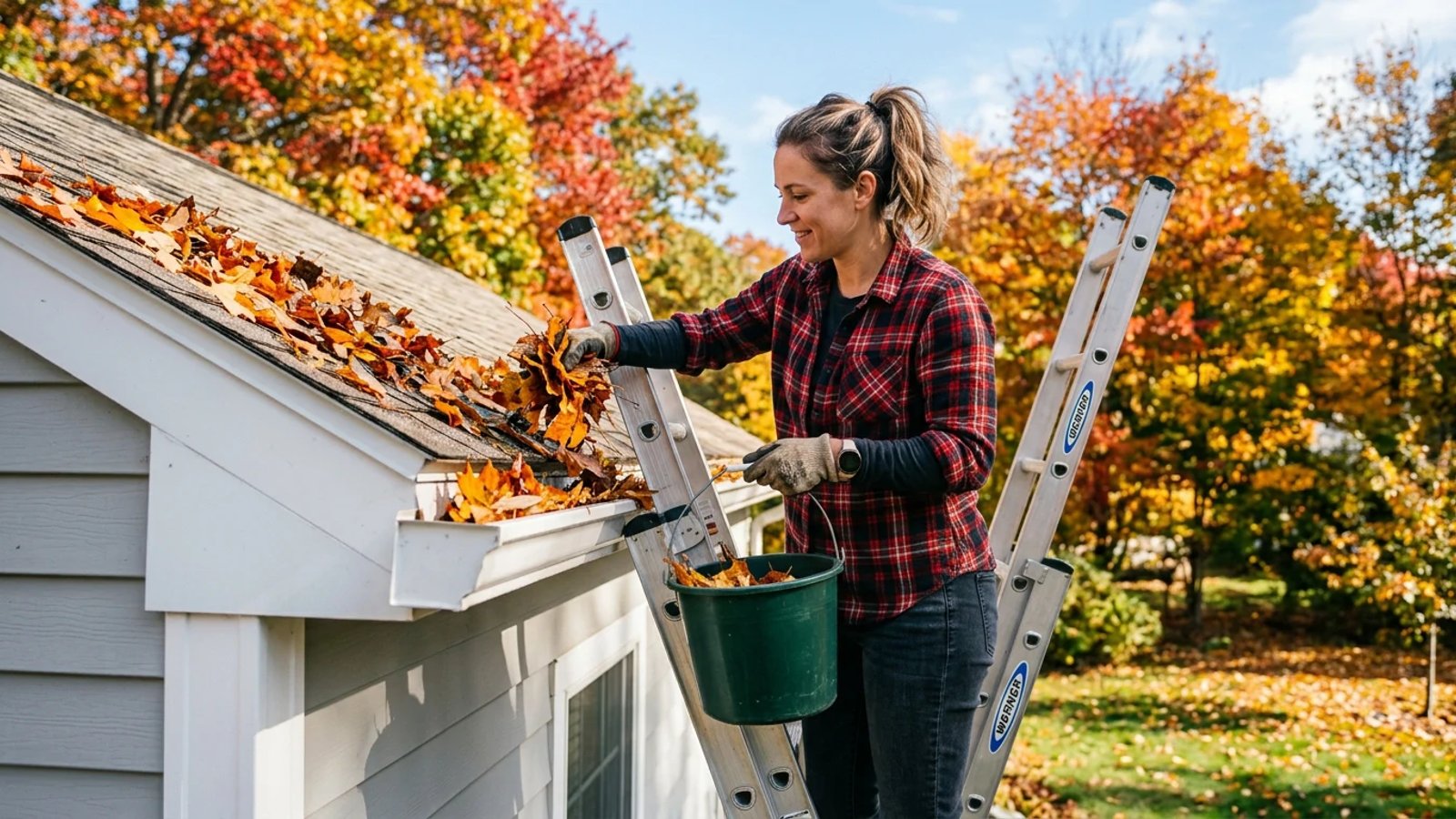
Start at the very top of your house. Clogged gutters lead to ice dams. When water cannot drain away from the roof, it freezes, backs up under your shingles, and rots your roof deck.
Grab a sturdy extension ladder, heavy-duty work gloves, and a plastic scoop (a cut-in-half plastic milk jug works perfectly). Clear out all the leaves, pine needles, and roof grit. Once the debris is out, run a garden hose down the downspouts to ensure the water flows freely out the bottom.
While you have the ladder out, visually inspect your roof. Look for missing, cracked, or severely curling shingles. Check the metal flashing around your chimney and vent pipes to ensure the sealant is not cracked or peeling away.
Don't just look up; look down too! Walk around your home's perimeter and inspect your foundation for any new cracks or shifting. Small hairline cracks can often be sealed with a concrete caulk to prevent water intrusion. Also, check your siding for loose boards, peeling paint, or gaps where water could penetrate. Addressing these now prevents bigger, more costly repairs down the road.
Frozen Pipes Prevention: Essential Fall Home Maintenance
Burst pipes cause catastrophic water damage, often flooding basements in a matter of hours. Preventing this starts outside your home.
Disconnect, drain, and store all garden hoses in a shed or garage. If you leave a hose attached to the spigot, water stays trapped inside the fixture. When the temperature drops, that water freezes, expands, and cracks the pipe inside your exterior wall. You usually will not notice the damage until spring when you turn the hose back on and flood your wall cavity.
Next, locate the shut-off valves for your exterior faucets. These are usually found in the basement, utility room, or crawlspace. Turn them completely off. Then, go back outside and open the spigots to let any remaining trapped water trickle out.
If you have exposed plumbing pipes running through an unheated basement, crawlspace, or garage, wrap them in foam pipe insulation. You can buy 1/2-inch or 3/4-inch diameter, six-foot sections of slit foam tubing at any hardware store for under $3 each. Simply cut them to length with scissors and tape the seams shut.
If you have an in-ground irrigation system, proper winterization is crucial. Most systems have a backflow preventer and a main shut-off valve. Turn off the water supply to the system, then open all drain valves to completely empty the lines. For more complex systems, especially those with automatic sprinkler heads, consider hiring a professional to blow out the lines with compressed air. This ensures every last drop of water is removed, preventing damage to pipes and sprinkler heads.
HVAC Readiness & Fire Safety: Critical Fall Home Maintenance
Your heating system is about to work overtime for the next six months. Before you turn the thermostat to "heat" for the first time, swap out the air filter. A dirty, clogged filter restricts airflow, forcing the blower motor to work much harder and driving up your utility bill. Stick to a MERV 8 to MERV 11 pleated filter for a solid balance of air flow and dust capture.
Beyond the filter, take a moment to dust and vacuum around your furnace and water heater. Keeping the area clear of debris improves airflow and reduces fire hazards. If your furnace has a humidifier, clean it thoroughly and replace the humidifier filter or pad. Adjust the humidistat setting to prevent condensation on windows as outdoor temperatures drop.
While you are thinking about air quality and safety, check your smoke and carbon monoxide detectors. Because windows stay shut all winter and furnaces are running, the risk of carbon monoxide buildup increases. The National Fire Protection Association (NFPA) recommends testing alarms monthly and replacing batteries at least once a year. If your detectors are over 10 years old, the internal sensors degrade, and you need to replace the entire unit.
Water Heater and Sump Pump: Interior Fall Home Maintenance
Your water heater works hard year-round, but winter can put extra strain on it. Drain a few gallons from the bottom of your water heater tank to flush out sediment buildup. This improves efficiency and extends the life of the unit. While you're at it, check the temperature setting; 120°F is usually sufficient and saves energy.
For homes with basements or crawlspaces, your sump pump is a critical defense against winter thaw and heavy rains. Pour a bucket of water into the sump pit to ensure the pump activates, drains the water, and shuts off properly. Clear any debris from the pit that could obstruct the float switch. A malfunctioning sump pump can lead to devastating floods, so a quick check now can save a lot of heartache later.
Sealing Drafts: A Fall Home Maintenance Must-Do for Lower Bills
Cold air sneaking in around doors and windows forces your furnace to run longer to maintain the temperature. Finding and fixing these drafts is the fastest, cheapest way to cut your winter energy costs.
You do not need expensive thermal cameras to find leaks. In my experience, a simple visual and physical check will reveal exactly where your house is losing heat.
- Light a stick of incense. Hold it near the edges of your window frames, baseboards, and exterior doors on a windy day.
- Watch the smoke path. If the smoke blows horizontally into the room, you have found an active air leak.
- Apply weatherstripping. Clean the door or window frame with rubbing alcohol, let it dry completely, and stick self-adhesive foam weatherstripping along the gap.
- Caulk the exterior trim. Use a tube of exterior-grade silicone caulk to seal any visible cracks between the window frame and your home's siding.
Don't forget the door sweep at the bottom of your exterior doors. If you can see daylight under the door, unscrew the old sweep and install a new rubber or vinyl replacement.
Yard & Power Equipment Prep: Fall Home Maintenance for Winter
Lawn growth slows down significantly in autumn, making it the right time to aerate the soil and apply a winterizing fertilizer. This strengthens the grass roots so they survive the freezing temperatures.
You also need to prep your gas-powered tools. Leaving untreated gasoline in a lawnmower, string trimmer, or pressure washer over the winter will cause the fuel to break down and gum up the carburetor. Add a few ounces of fuel stabilizer to the gas tank, run the engine for five minutes to pull the treated fuel through the system, and store the equipment in a dry place.
Tackling these chores over a few crisp weekend afternoons saves you from freezing emergencies and expensive contractor calls in January. Pick one zone of your house this weekend, grab your tools, and start checking items off the list.
- Disconnecting garden hoses before the first freeze is the single most important step to prevent cracked pipes.
- A clean MERV 8 to 11 furnace filter improves airflow and reduces strain on your blower motor.
- Testing for drafts with an incense stick helps you target exactly where to apply weatherstripping.
- Insulating exposed basement or crawlspace pipes costs just a few dollars but prevents catastrophic water damage.